Huawei is getting back into the multi-brand smartphone game — and this time, artificial intelligence is the whole point. The Chinese tech giant has confirmed a brand-new smartphone sub-brand called OSTA, known as Xingmang (“starlight”) in China, built around AI-first phones for younger buyers. The brand makes its first public appearance at a launch event on November 20, 2026. See Seoul Economic Daily’s report on the OSTA announcement for more details.
The announcement came from Richard Yu, chairman of Huawei’s consumer business group, in a post on Weibo on November 11. It is Huawei’s first major new phone brand since it sold Honor in November 2020, nearly six years ago — and it lands just as AI phones are becoming the fastest-growing segment of a shrinking market. For more background, read Lapaas Voice on OSTA as Huawei’s first new brand since selling Honor.
What Is Huawei OSTA?
OSTA is a separate smartphone line aimed squarely at younger consumers, a group Huawei’s premium Mate and Pura flagships have largely priced out. The brand’s Chinese name, Xingmang, means “starlight,” and its official Weibo account went live on November 11 with a teaser video under the slogan “Come As You Are.”
Huawei executives have been deliberately light on specifics so far. Yu wrote that the company wants to explore “new AI possibilities” through OSTA, and consumer chief executive He Gang said the aim is to make AI understand users better. No detailed list of AI features has been published yet — that is what the November 20 event is for.
What is clear is the positioning: OSTA is not another premium flagship line. It sits below the Mate 90 series (priced at 5,999 to 18,999 yuan) and the Pura 90 series (4,699 to 8,499 yuan), with local media reporting an expected price range of 3,199 to 5,999 yuan — roughly $450 to $850. That puts OSTA in the upper mid-range, where most young buyers in China actually shop.
The OSTA O1 and O1 Pro: What We Know So Far
The first model is expected to be the OSTA O1 Pro, and the name is already more than a rumor: Yu posted his announcement from a device identified as the “OSTA O1 Pro.” A standard OSTA O1 is also expected at the same event, which takes place at 2:30 p.m. Beijing time on Friday, November 20 — alongside the launch of Huawei’s Xiangjie V8 electric minivan. See tech-ish’s report on the November 20 launch date for the full schedule.
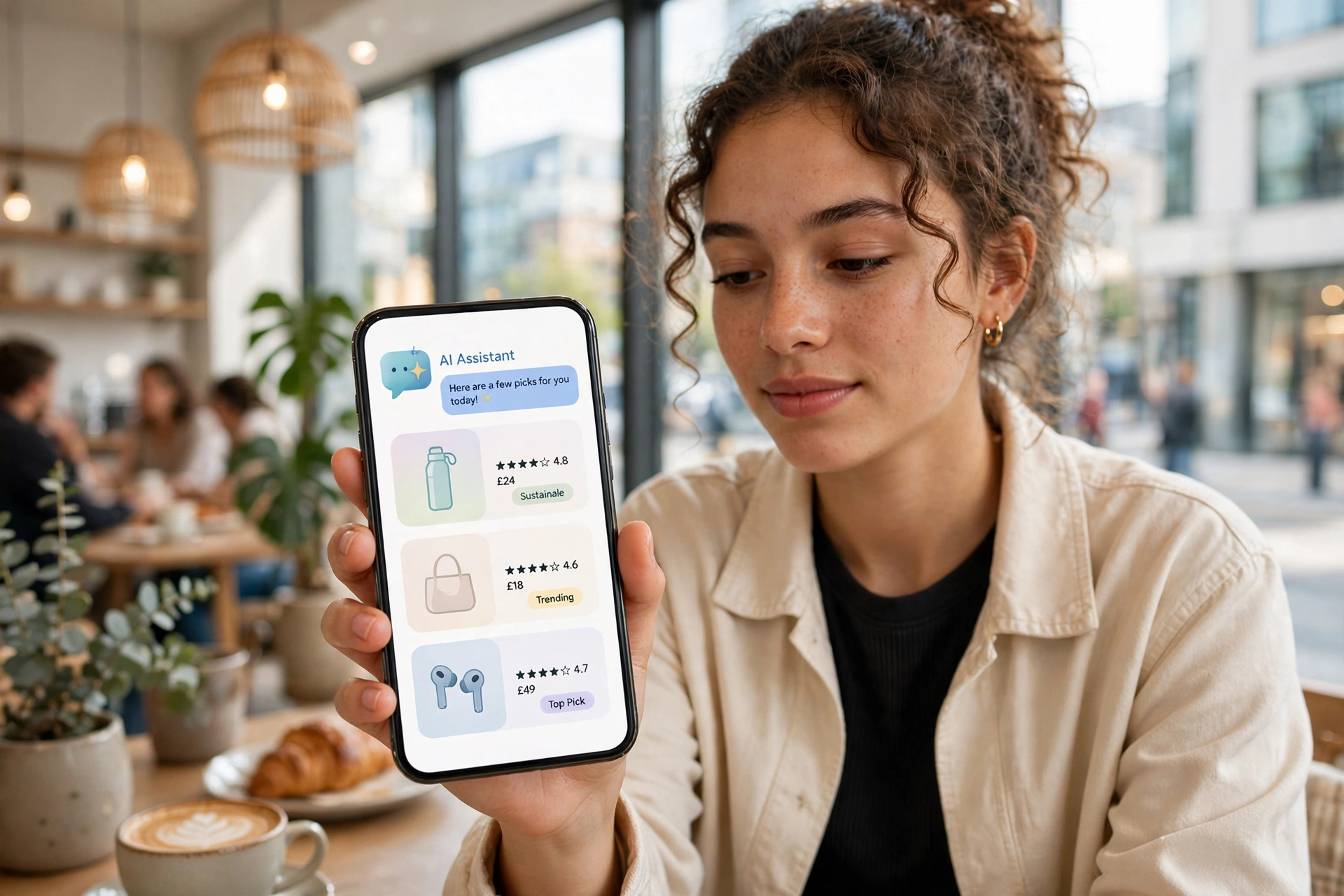
Reports circulating in China point to a Kirin 9-series processor and HarmonyOS 7 on both models, with system-level AI as the main selling point. Huawei is expected to pair its Celia AI assistant with HarmonyOS to offer services such as shopping on a user’s behalf and personalized task handling — the kind of agentic features that are now showing up across the industry, from Google’s Gemini smart glasses to Meta’s keychain-sized Muse Charm and AI agents that can pay for things themselves.
The rumored hardware is distinctive. The O1 Pro is said to use an unusually wide 6.39-inch 1.5K LTPS display with a 16:9.5 aspect ratio and ultra-thin 1.05 mm bezels — much wider than the tall 20:9 screens on most phones today — with up to 16 GB of RAM and 1 TB of storage, a 50 MP main camera, and finishes including Starry Sky Black, Nebula White and Xingmang Purple. The standard O1 is tipped to have a screen curved on all four edges, a 50 MP rear camera, a 7,000 mAh battery and 100 W charging.
Treat all of that as unconfirmed for now. Huawei has not published final specifications, pricing or international availability, and its response to the rumors has been that official information shall prevail. The November 20 event is where the real numbers will land.
Why Huawei Is Betting on AI Phones Now
The timing is no accident. Research firm IDC projects that shipments of next-generation AI smartphones in China will reach 147 million units in 2026, up 31.6% from a year earlier — and their share of the overall smartphone market is expected to top half for the first time, reaching 53%. With the broader market contracting, AI phones are the only segment still growing.
The overall numbers make the case starkly. Smartphone shipments in China totaled about 57.9 million units in the third quarter of 2026, down 15.4% year on year. Oppo fell 17.6%, Vivo 24.9%, Xiaomi 20.4% and Honor 24.2%. Huawei, by contrast, held firmly onto the No. 1 share on strong premium sales, with shipments up 17.3% — the only double-digit growth among major manufacturers.
OSTA is Huawei’s attempt to turn that premium strength into a broader base. The company has spent years building the pieces — its own Kirin chips, its in-house HarmonyOS operating system, and the Celia assistant — and it already runs AI across its devices, from Huawei’s HarmonyOS desktop to the AI features in Google’s November Pixel Drop brought Gemini Intelligence to Pixel phones. OSTA packages those pieces into a brand built for the buyers who will define the next decade of the market.
OSTA vs. ByteDance: The New AI Phone Rivalry
OSTA’s most direct rival may not be a traditional phone maker at all. ByteDance — the company behind TikTok — recently unveiled its own AI smartphone in partnership with ZTE, and Huawei is expected to go head to head with it. It is a new kind of competition: an AI company and a hardware giant racing to define what an “AI phone” actually does for its owner, rather than just which chip it runs.
The rivalry also explains OSTA’s positioning. ByteDance brings a massive consumer app ecosystem and AI models; Huawei brings chips, an operating system and a retail network. Both are betting that the next phone buyers choose will be picked for its assistant, not its camera megapixels.
What OSTA Means for Buyers
For shoppers, OSTA’s arrival is good news even before the first phone ships. A credible AI-first brand in the 3,199–5,999 yuan range pressures every mid-range rival to ship real on-device AI features instead of marketing slogans — and it gives younger buyers a Huawei option that does not require flagship money.
There are open questions, though. Huawei has not said whether OSTA phones will sell outside China, and HarmonyOS cannot run standard Android apps without redevelopment, which matters for anyone who depends on Google services. The November 20 event should clarify the first question; the second is a longer-term test of Huawei’s ecosystem.
What to Watch on November 20
Three things will decide whether OSTA is a real challenger or just a new label. First, the confirmed specifications and prices — the rumored wide display and big battery need to survive contact with the official spec sheet. Second, the AI features themselves: Huawei needs to show what Celia and HarmonyOS 7 can do that a regular smartphone cannot. And third, availability — whether OSTA stays a China-only brand or Huawei has global ambitions for it.
Six years after selling Honor, Huawei is betting that AI is the reason to build a second brand. On November 20, we will find out what that bet actually looks like.
Frequently Asked Questions
What is Huawei OSTA?
OSTA (Xingmang, meaning “starlight” in Chinese) is Huawei’s new AI-first smartphone sub-brand for younger buyers, confirmed on November 11, 2026. It debuts at a launch event on November 20, 2026.
When does the Huawei OSTA launch?
The OSTA brand and its first phones, the O1 and O1 Pro, are scheduled to be unveiled on Friday, November 20, 2026, at 2:30 p.m. Beijing time.
How much will the OSTA O1 cost?
Local media report an expected price range of 3,199 to 5,999 yuan (roughly $450 to $850), below Huawei’s Mate 90 and Pura 90 flagships. Final pricing has not been officially confirmed.
What chip and software will OSTA phones use?
Reports point to a Kirin 9-series processor and HarmonyOS 7, with system-level AI features led by Huawei’s Celia assistant. Huawei has not yet confirmed final specifications.
Will OSTA phones be sold outside China?
Huawei has not announced international availability. The November 20 event may clarify whether OSTA is a China-only brand.