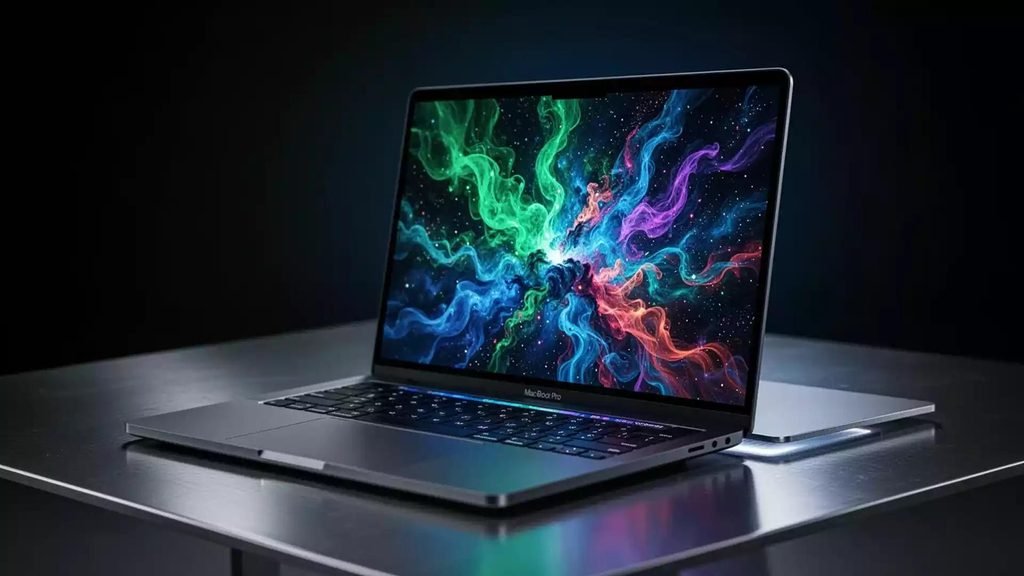
Google has quietly changed the shape of its laptop plans. At Android Dev Summit 2026, Google told developers that Googlebook will span clamshells, convertibles, and soon detachables. That one word matters: a detachable is not a laptop that folds. It is a tablet that docks with a keyboard — and it can leave the keyboard behind entirely. No model, price, or release date has been announced yet, so this is a confirmed direction, not a product launch. Still, it tells buyers something useful right now: if you were about to buy a premium tablet and a laptop, the next Googlebook may let you buy one device instead of two.
What Google Actually Confirmed
Google’s message was short and deliberate. During the Android Dev Summit 2026 developer keynote, Google described Googlebook as spanning large-screen form factors from clamshells and convertibles to detachables coming soon. That puts detachables on the official roadmap, after months of leaks. It does not mean a detachable is shipping this week, and Google has not shown hardware, named a manufacturer, or promised a date. Treat the announcement as a platform commitment: future Googlebook hardware will include a true tablet-first design, not just laptops with hinges. It also sits alongside Google’s cloud hardware push.
How Today’s Googlebooks Compare

The launch lineup has five devices, and four of them are traditional clamshell laptops: the Asus Googlebook 14, Dell XPS Googlebook, HP Googlebook 14, and Lenovo Googlebook 15. The exception is the Acer Googlebook 14, priced at $899, a convertible whose 360-degree hinge allows laptop, tent, and tablet modes. A convertible still carries its keyboard everywhere, even when you flip it flat. A detachable changes that trade-off: the keyboard comes off, the tablet gets lighter, and the device can be used one-handed on a sofa or standing up. For students, commuters, and anyone who reads, sketches, or watches video more than they type, that difference is the whole point.
Why a Detachable Changes the Buying Decision
A good detachable answers a question many buyers already ask: why carry two screens? A tablet is better for reading, note-taking, video, and casual browsing. A laptop is better for long writing sessions, spreadsheets, and multitasking with several windows open. A detachable promises both, with one set of files, one browser profile, and one charger. Googlebook OS adds to the appeal because it is designed as a desktop-like system, with windowed apps and a full browser, rather than a stretched-out phone interface. If Google gets the hardware and software balance right, a detachable Googlebook could replace both a mid-range laptop and a premium Android tablet for a large group of everyday users. That is also why it raises a question for Android tablets: Googlebook OS may become the company’s more capable large-screen platform, while Android tablets stay focused on media and simpler tasks. At home, that single device also benefits from faster, more reliable home Wi-Fi.
The Portrait-Mode Problem Google Still Has to Fix
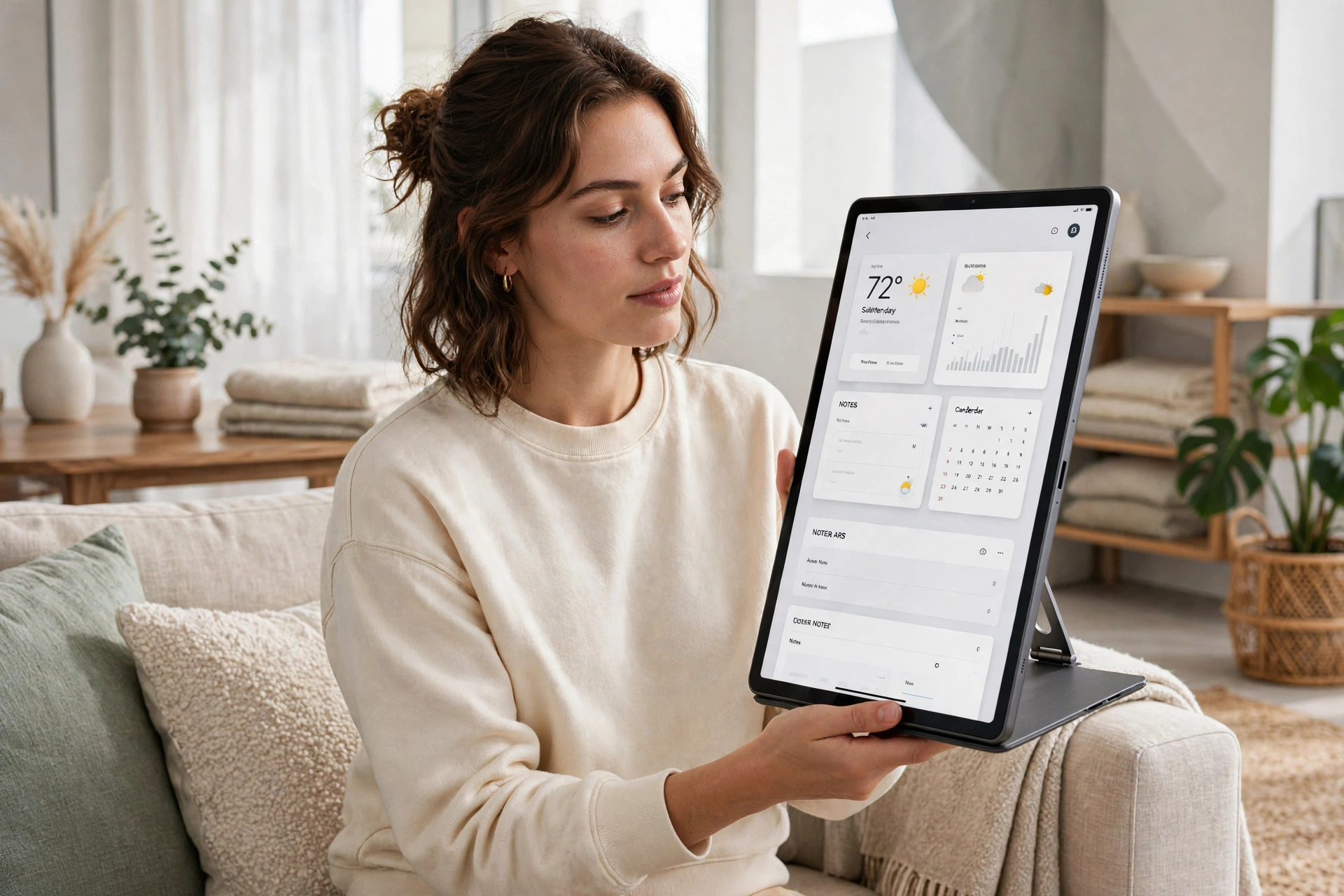
Before a detachable can feel finished, Googlebook OS needs work in tablet mode. Full-screen apps can already run in portrait orientation, but the home screen, desktop, Overview, and app tray currently work only in landscape mode. That is a strange limitation for a device meant to be held like a tablet. Turning the screen upright should not break navigation, and a first detachable will be judged on exactly that kind of detail. Google has time to fix it before hardware ships, and the fact that it announced the form factor at a developer event suggests it wants app makers to prepare for it too. Buyers should watch for a software update that adds full portrait support — that will be a stronger sign that a launch is near than any leak. For households setting up a new device at home, smart-home security is also worth checking.
Lenovo and the Leaked First Detachable — What Is Unconfirmed
The likely first detachable, according to leaks, comes from Lenovo. A July leak described a Lenovo Googlebook tablet with a detachable keyboard, a built-in kickstand, and a Glowbar light strip near the camera, shown alongside a smaller laptop. Later reports pointed to a possible 13-inch screen and a MediaTek chip, with the name Lenovo Googlebook Duet m appearing in a Bluetooth database. None of this has been confirmed by Lenovo or Google, so treat every leaked specification, price, and date as unconfirmed. The leak is still useful for one reason: it shows what a sensible first detachable looks like — a kickstand for hands-free video, a keyboard cover for typing, and a light strip that echoes Google’s design language. If the real device matches that sketch, it will compete directly with Microsoft’s Surface-style devices, not with budget tablets.
Should You Wait Before Buying?
If you need a laptop now, buy one of the existing Googlebooks or another laptop you like — a confirmed roadmap is not a release date. If you were planning to buy both a tablet and a laptop, or you mainly want a tablet with occasional typing, waiting makes sense. Watch for three signals: full portrait-mode support in Googlebook OS, an official Lenovo or Google announcement with a price, and reviews that test the keyboard, kickstand, and battery in real daily use. Also check the basics that matter for any detachable: how heavy the tablet is on its own, whether the keyboard is included or sold separately, how well the hinge or magnetic connection holds up, and whether your must-have apps work well in tablet mode. A detachable only saves money if it genuinely replaces two devices, so do not pay a premium for a tablet that still needs a laptop beside it. For now, the smart move is to enjoy the clarity — Googlebook is no longer laptop-only — and let the first real hardware prove itself. Launch timing can also differ by region, as seen in Apple’s staggered device rollout in China.
Detachable Googlebooks will not suit everyone, and they do not need to. They give Googlebook a form factor it has lacked since launch: a true tablet that can become a laptop when work starts. Google has confirmed the direction but not the device, and the software still needs its portrait-mode fix. That combination — real promise, unfinished details — is exactly why this is worth watching, and exactly why most buyers should wait for an official announcement before spending.