Google’s November Pixel Drop is here, and it is the biggest free upgrade Pixel 10 owners will get this year. Announced on November 10, 2026, the drop brings Gemini Intelligence — the suite of on-device AI features that launched with the Pixel 11 — to the Pixel 10 series, and it puts Google’s first-ever item tracker, Pixel Tag, on sale today, November 11, for $29.99. Updates start rolling out now and continue over the next several weeks, so not every eligible phone will see them on day one.
This is a software update, not a new phone, but the change in what a Pixel 10 can do is substantial. Gemini stops being a chatbot you open and becomes an assistant that acts across your apps, cleans up your speech, anticipates what you need next, and even screens your calls. Here is everything in the drop, what it actually does, and the catches to check before you get excited.
Gemini Intelligence Arrives on Pixel 10
Gemini Intelligence is Google’s label for the phones that can run its most capable Gemini features — the ones that act across apps instead of only answering questions. Until now, that tier belonged to the Pixel 11 series. With this drop, the Pixel 10, Pixel 10 Pro, Pixel 10 Pro XL and Pixel 10 Pro Fold join the list. The cheaper Pixel 10a is left out of the headline features, and the Pixel 9 does not get Gemini Intelligence in this drop, so check your exact model before hunting for the new menus.
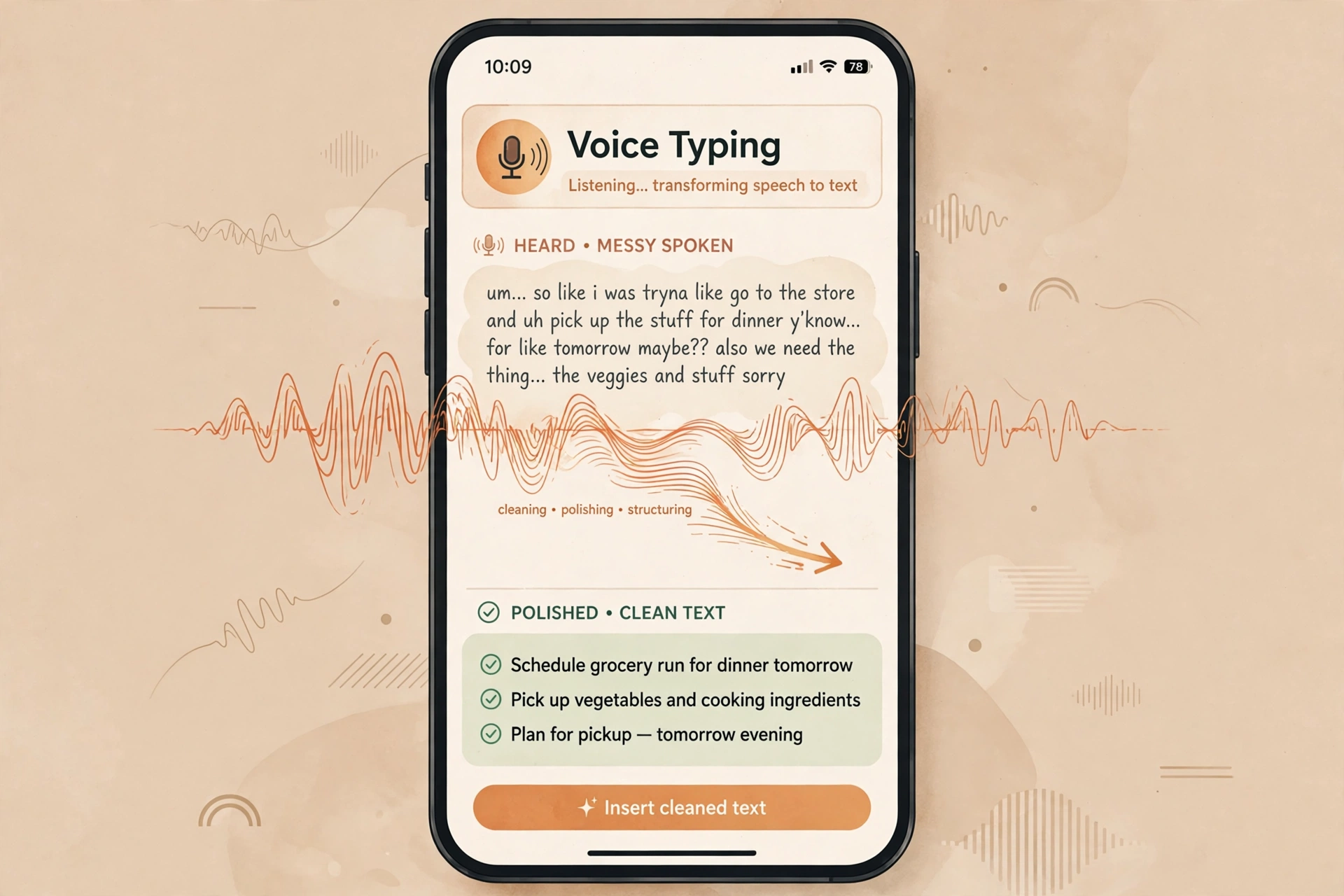
The headline addition is Rambler, the voice-typing tool Google introduced as a flagship Pixel 11 feature. Speak naturally into Gboard and Rambler strips out filler words like “um,” removes repetitions, and formats your thoughts into clear, polished text. You review it before sending, so it is a cleanup pass rather than an autopilot — but for anyone who dictates messages, emails or notes, it removes the most annoying part of voice input.
Gemini Can Now Handle Multi-Step Tasks for You
The second big piece is multi-step task completion. Instead of answering a question, Gemini handles the logistics: getting groceries, booking a ride, ordering takeout, or finding a reservation at a restaurant. Google describes it as letting Gemini “handle the logistics so you can focus on other tasks,” and you confirm the final step yourself.
There is a catch worth knowing about. Google lists multi-step tasks as available in Japan, the UK and India in this drop — the US is not on that list for this particular feature, despite being Google’s home market for Pixel. Availability is also staged and regionally limited for several of the drop’s features, so the exact set you get depends on where you are and when the rollout reaches your device.
Alongside tasks, Pixel 10 owners get proactive suggestions: your phone anticipates what you need, from sharing your ETA with a tap when someone asks when you will arrive, to suggesting a dinner spot. You can also create personalised widgets — a tracker for your monthly spending, a game-day widget in your team colors, or a getaway countdown that automatically pulls in flight and reservation details. And long conversations can now be summarised, so you can catch up on what matters without scrolling through everything; summaries are available in German, French, Spanish, Italian, Hindi and Traditional Chinese.
That combination is the real story of this drop. It is the same shift playing out across the industry, from Google’s Gemini 4 Carbon for long agent work to the agentic platforms launching this week: AI is moving from answering questions to doing jobs. The Pixel version of that shift just happens to live in your pocket.
Pixel Tag: Google’s $29.99 Answer to the AirTag
The second headline is hardware. Pixel Tag, first shown at the Made by Google event in August 2026 alongside the Pixel 11 series, goes on sale today, November 11, for $29.99 for one or $99.99 for a four-pack — priced directly in line with Apple’s AirTag.
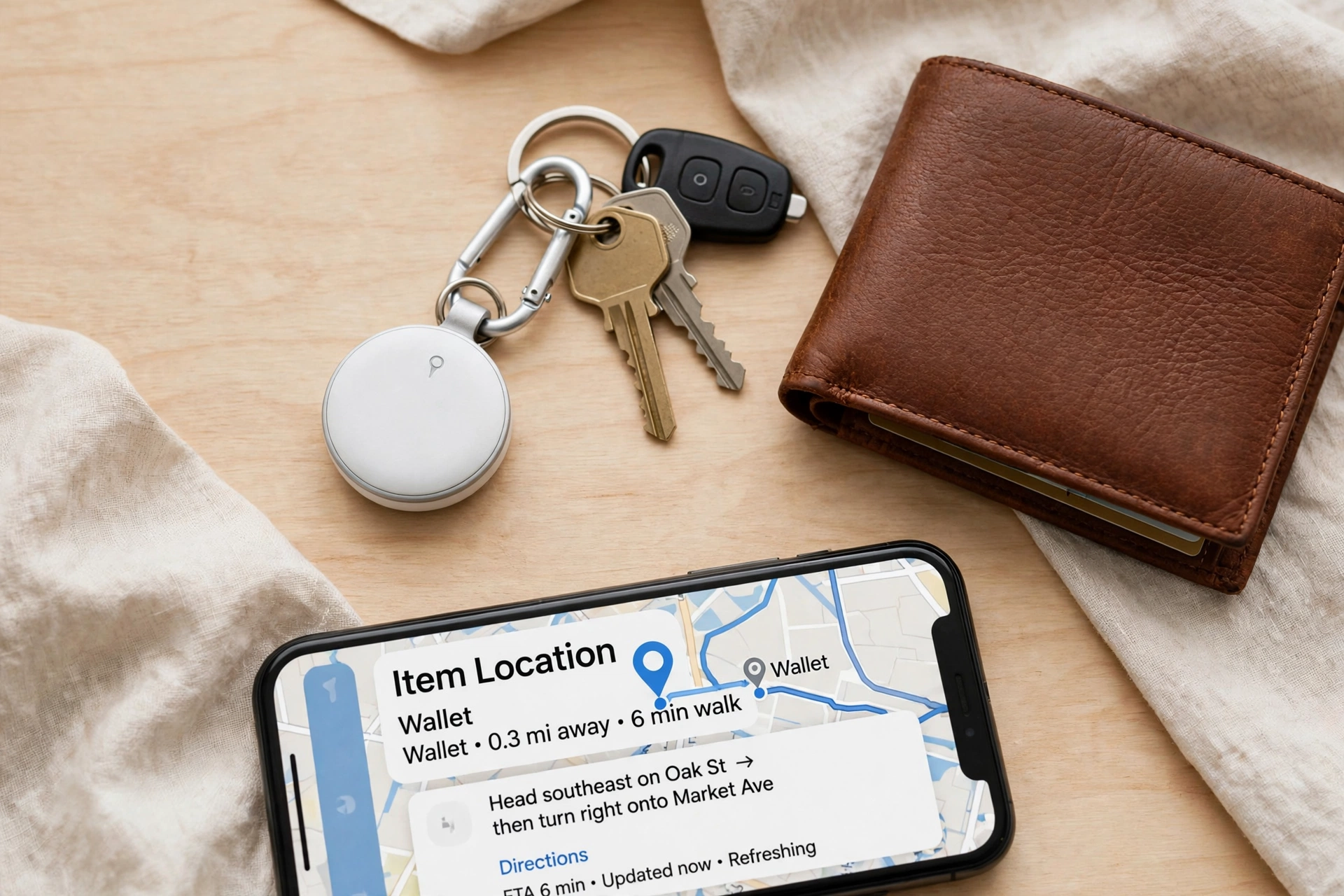
Google says the tag is slim enough to fit in a wallet and durable enough to attach to belongings, with a battery that lasts over a year. Location works two ways: the Find Hub network of more than 1 billion Android devices helps locate belongings even miles away, and ultra-wideband (UWB) gives visual direction and distance guidance when you are nearby. It works with Android 9 and newer devices.
What Google has not detailed in the announcement is battery life in precise terms or the anti-stalking protections for the accessory, so anyone considering one should look for that information before buying rather than assuming it matches other trackers on the market. The price is right and the network is enormous; the safety details are the part to verify.
Call Screen, Pixel Search and the Rest of the Drop
The drop is not only about the Pixel 10. On the Pixel 11 series, Call Screen gets an upgrade: when you screen a call from an unknown number, Gemini asks the caller why they are reaching out in a much more conversational manner, handling the exchange until you decide to jump in or end the call, with a live transcript on your screen.
Pixel Search now works across photos, emails, messages, calendar events and device settings on Pixel 6 and newer devices — a far broader device range than the Gemini Intelligence features. New custom icon styles let you personalise your home screen further, and Hilight now supports Google Messages, glowing when your phone is face down and a favourite contact messages you.
Two more changes are about how Pixel devices work together. Google Fi’s new super network, starting today on eligible Pixels, automatically switches between two of America’s top 5G networks and millions of secure Wi-Fi networks. And your Pixel Watch will soon unlock automatically when it is on your wrist and your nearby phone is unlocked — that one is coming in the next few weeks, not today. Step-by-step workouts are also rolling out to Pixel Watch 3 and newer models, with instructions, reps, weights and metrics from Google Health Coach or a custom workout in the Google Health app.
Should You Update? What to Check First
If you own a Pixel 10, Pixel 10 Pro, Pixel 10 Pro XL or Pixel 10 Pro Fold, the answer is yes — this is a free upgrade that adds genuinely useful AI, and Rambler alone is worth trying on your next dictated message. But go in with the right expectations. The rollout is staged over several weeks, so the update may not be on your phone yet even if your model is eligible. Some features are regionally limited, and the multi-step tasks Google highlights are not listed for the US in this drop. Pixel 10a and Pixel 9 owners should not expect the headline Gemini Intelligence features this time.
The broader point is that Google is closing the gap between its newest and last year’s phones faster than it used to. Features that sold the Pixel 11 three months ago are now arriving on the Pixel 10 for free. That is good news for Pixel 10 owners — and a reason to think twice before upgrading purely for AI features that may well trickle down in the next drop.
Conclusion
The November Pixel Drop does two things at once: it makes the Pixel 10 meaningfully smarter with Gemini Intelligence, Rambler and multi-step tasks, and it opens a new product line with the $29.99 Pixel Tag. The software is the bigger deal for most people — a phone that drafts, organises and acts instead of just answering — while the tracker is the easiest purchase of the two. Check your model, check your region, and update when the rollout reaches you.
Related reading: Google’s Gemini 4 Carbon for long agent work, Ring’s flying Drone Cam and patrolling Rover Cam, Xiaomi’s 18 Pro series with its rear display, Starlink Mini 2 portable satellite internet, Claude’s move into spreadsheets, meetings and shared whiteboards.
Sources: Google’s November 2026 Pixel Drop announcement, what Pixel 10 owners actually get, ShiftDelete’s November Pixel Drop roundup.