Anthropic wants Claude in your meetings, your spreadsheets, your whiteboards and your dashboards. On Tuesday, November 10, 2026, the company unveiled a suite of workplace tools — Claude Meetings, Claude Sheets, Claude Whiteboards and Claude Data — plus interactive connectors that bring third-party apps inside Claude. It is the clearest move yet by the Claude maker to turn an AI chatbot into a full office suite, and it lands directly in territory Microsoft and Google have owned for decades.
The timing is deliberate. The launch comes one day after Anthropic introduced its most capable models, Claude Fable 5.2 and Mythos 5.2, and in the same week the company began the roadshow for one of the largest initial public offerings in history. Anthropic is no longer content to be the AI that developers reach for when they need code. It wants to be the AI that every knowledge worker opens first thing in the morning.
What Anthropic announced on November 10
The announcement, made at a company event on Tuesday, covers four products and one platform change. Claude Meetings brings Claude into video calls as a working participant. Claude Sheets is a spreadsheet application built around Claude. Claude Whiteboards is a collaborative planning board. Claude Data, formerly known as Claude Dashboards, is now generally available and turns company data into dashboards, written data stories and narrated videos. Alongside them, interactive connectors let corporate software vendors embed full versions of their apps inside Claude.
Three of the four products are launching in beta, while Claude Data and the interactive connectors are generally available. Sheets, Whiteboards and Data are included in all paid Claude plans, on the web, desktop and mobile apps. The free plan is not included, and Claude Data needs a data connector, such as a warehouse or CRM, to work. Claude Meetings is limited to Team and Enterprise plans.
Claude Meetings: an AI participant in your video calls
Claude Meetings is the headliner, and it works differently from the meeting bots most people have seen. Teams add Claude to a video call as a visible participant, and it follows the conversation and gets to work on tasks while people are still talking. As participants discuss a plan, Claude can draft it, map out a timeline on a whiteboard, answer questions in the meeting chat, and pull information from connected work apps — last year’s figures, for example — without anyone leaving the call.

When the call ends, the meeting notes, action items and anything else Claude created are available in claude.ai. Anthropic’s pitch is simple: the work that usually starts after everyone hangs up can now happen during the meeting itself.
There are guardrails built into the design. Claude identifies itself as a meeting participant and posts a notice in the meeting chat, so nobody is recorded or assisted without knowing. It will not join calls with external guests unless an administrator authorises it, and it leaves automatically if an external guest joins. At launch, Claude Meetings works with Google Meet, with support for additional meeting platforms expected to follow.
Claude Sheets: spreadsheets from a single prompt
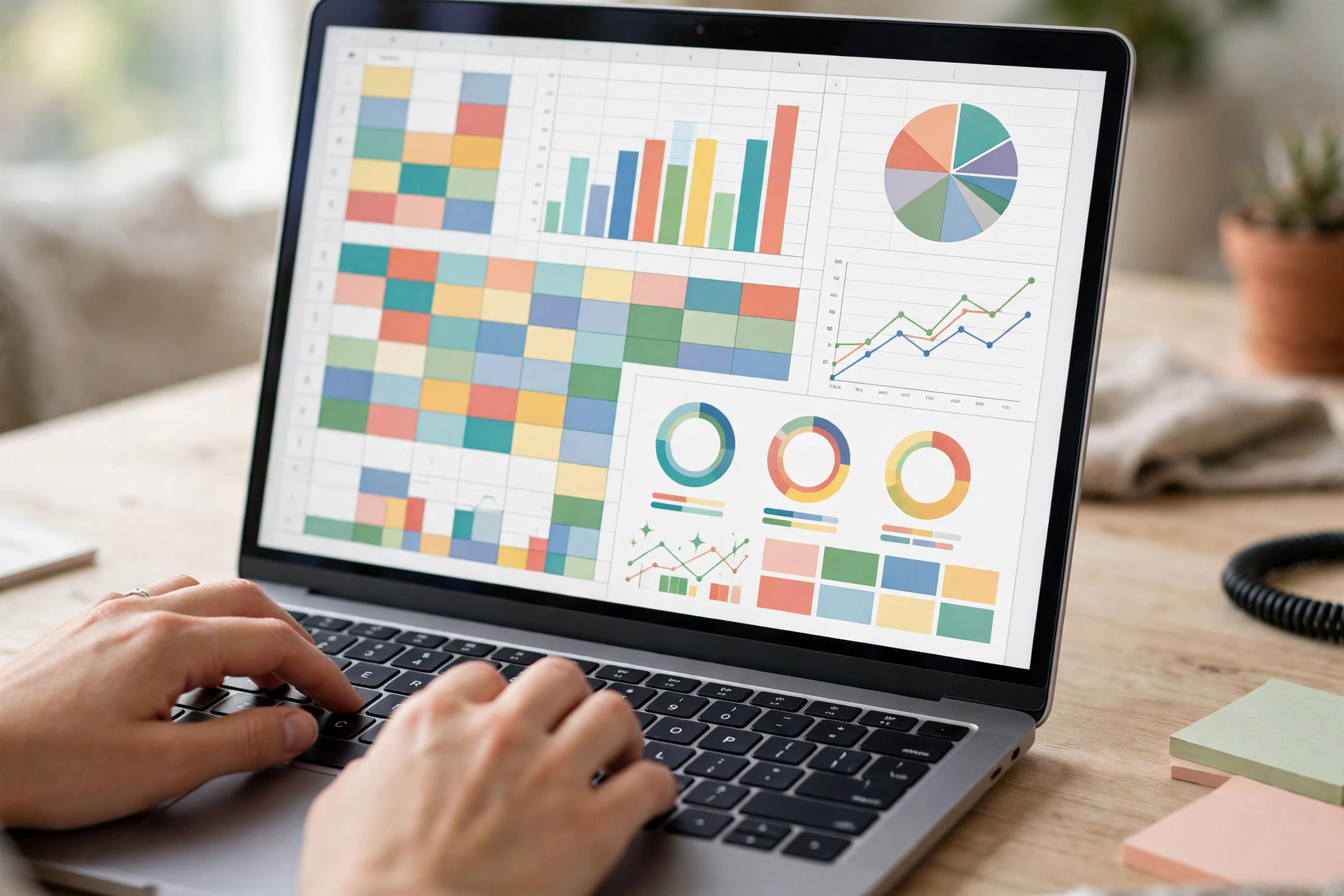
Claude Sheets lets teams create and collaboratively edit spreadsheets with Claude. A team can ask it to build a campaign tracker or a hiring budget, and Claude generates a working spreadsheet — with multiple tabs, formulas, formatting and dropdown menus — from that single prompt. Claude also makes edits directly in cells alongside the team and outlines each change, so users can see exactly what it did.
Anthropic is careful about what Sheets is not. Nicholas Lin, an Anthropic product leader, described it as a “fairly basic” offering that is not intended for advanced financial modelling, noting that third-party plug-ins into established spreadsheet software remain more effective for complex work. That honesty matters: Sheets is aimed at the everyday trackers, budgets and lists that eat up hours of office time, not at replacing Excel for a finance department.
Even so, the direction of travel is clear. A spreadsheet that builds itself from a sentence, then keeps itself updated as the team works, is a different product from a blank grid with formulas. For small teams and startups without a dedicated analyst, that difference could be the whole point.
Claude Whiteboards and Claude Data: planning and numbers
Claude Whiteboards is a collaborative board where teams can talk through a plan and have Claude turn it into an organised visual workspace, complete with timelines and deadlines. Anthropic notes that many people already brainstorm with Claude, but had to copy and paste the results somewhere else to share them. Now a team can work directly with Claude on the same board in real time, and when the brainstorm is done, Claude can turn the board into a document or a slide deck. Whiteboards also work inside Claude Meetings, so the board builds while people talk.
Claude Data is the most mature of the four. It started life as Claude Dashboards in beta in October, and is now generally available. It connects Claude to the systems where companies keep their numbers — a data warehouse or a CRM, such as Snowflake, Salesforce or BigQuery — and lets users ask questions in plain language. Claude responds with dashboards, written data stories or narrated videos. Certified metric definitions and live sharing, which shows colleagues current numbers without giving them access to the underlying data, are still in beta.
Interactive connectors bring Adobe, Atlassian and HubSpot inside Claude
The fifth piece of the announcement may matter most for enterprises. Interactive connectors open the full version of apps from vendors including Adobe, Atlassian and HubSpot inside Claude, so teams can open those apps directly alongside their Claude conversations and ask the assistant to work within them. Instead of copying data between tools, the workflow stays in one place.
This is Anthropic borrowing a page from the platform playbook: the more of a company’s daily work happens inside Claude, the harder Claude is to replace. It also answers the obvious objection to an AI office suite — that nobody wants to abandon the tools they already use. Anthropic’s answer is to bring those tools inside Claude rather than asking users to leave them behind.
The IPO backdrop: an $81 billion run rate and a $1.4 trillion target
The office push arrives as Anthropic prepares for the public markets. According to a regulatory filing cited by Bloomberg, the company reached an annualised revenue run rate of $81 billion as of October 31, up $10 billion from late September, and is seeking a fully diluted valuation of about $1.4 trillion in its upcoming IPO. Our earlier look at Anthropic’s planned IPO explains what the S-1 filing reveals, including the roadshow timetable and the enormous compute commitments behind the growth.
Investors noticed the office announcement immediately. Microsoft shares fell 3 percent in New York trading by early Tuesday afternoon following the news, a reminder that the market sees Anthropic not just as a model lab but as a direct competitor to the incumbent office software giants. The same week also brought a $2.5 trillion Nasdaq sell-off, and some investors have indicated the IPO valuation could settle closer to $1 trillion if market turbulence continues — so the backdrop for the launch is anything but calm.
What it means for Microsoft, Google and OpenAI
Anthropic is not entering an empty field. OpenAI unveiled a series of workplace tools a few weeks earlier that let users collaborate with ChatGPT to visualise company information and create presentations, and Meta is joining the competition with its Muse AI agent, which can build mini-apps on the fly. The race to turn chatbots into office suites is now fully on, and every major AI lab is playing it.
The competitive logic is straightforward. Models are converging in capability — Anthropic’s own Claude Fable 5.2 and Mythos 5.2, launched the day before, compete directly with OpenAI’s and Google’s latest models on coding, science and security. When the models are close, the winner is whoever owns the daily workflow. A spreadsheet, a meeting and a dashboard are where knowledge work actually happens, and whoever controls those surfaces controls the habit.
That is also why the timing matters for Microsoft and Google specifically. Microsoft 365 Copilot and Google Workspace already put AI inside the tools most offices use. Anthropic is betting that a natively AI-first suite — where the assistant is the starting point rather than an add-on — can win users who find the incumbents’ AI bolted on. It is a bold bet, and Sheets being “fairly basic” shows Anthropic knows it cannot match Excel feature for feature on day one. The bet is that most office work does not need Excel’s full power, and that an assistant that does the setup for you is worth more than a hundred features you never touch.
The workplace agent race is widening beyond the model labs, too. Perplexity Teammates, launched earlier in November, gives persistent AI agents ongoing roles inside an organisation, and OpenAI’s multi-computer dots let one agent work across several machines. Anthropic’s office suite is its answer to the same question: not which model is smartest, but which AI actually does the job while you are in the meeting.
Availability and pricing: what you can use today
Claude Sheets, Claude Whiteboards and Claude Data are rolling out now on paid Claude plans — Pro, Team and Enterprise — on web, desktop and mobile. On Team plans, all three are switched on by default. On Enterprise plans, Sheets and Whiteboards start switched off, while Claude Data turns on by default on November 19. Claude Meetings is in beta on Team and Enterprise plans, starting with Google Meet. Anthropic has not announced separate pricing for any of the new tools; they are included in existing paid plans.
Bottom line
Anthropic’s office suite is a statement of intent as much as a product launch. Claude Sheets will not replace Excel for a financial modeller, and Claude Meetings is still in beta on a single video platform. But the package as a whole — meetings that write their own follow-ups, spreadsheets that build themselves, whiteboards that turn talk into plans, dashboards that answer questions in plain language, and the apps teams already use embedded alongside — is the most complete attempt yet by an AI lab to own the working day.
Whether it works depends on execution, not ambition. The tools need to be reliable enough that a team trusts Claude with its numbers and its meetings, and the privacy guardrails need to hold up in real enterprises. But if Anthropic can make the office suite feel as natural as the chatbot already does, Microsoft and Google have a genuine new rival — and the IPO roadshow has a much stronger story to tell.
Frequently asked questions
What is Claude Sheets?
Claude Sheets is Anthropic’s AI-powered spreadsheet application, launched in beta on November 10, 2026. Teams describe what they need — a campaign tracker, a hiring budget — and Claude builds a working spreadsheet with tabs, formulas, formatting and dropdown menus.
Is Claude Meetings available now?
Claude Meetings is launching in beta on Claude Team and Enterprise plans. At launch it works with Google Meet, joining calls as a visible participant that takes notes and drafts work in real time.
How much do Anthropic’s new office tools cost?
Anthropic has not announced separate pricing. Claude Sheets, Whiteboards and Data are included in paid Claude plans, and Claude Meetings is included in Team and Enterprise plans during its beta.
What is Claude Data?
Claude Data, formerly Claude Dashboards, connects Claude to a company’s data warehouse or CRM and turns questions into dashboards, written data stories or narrated videos. It is generally available on paid plans.
Source: TechCrunch’s report
Source: PYMNTS coverage
Source: Crypto Briefing’s report