Xiaomi is taking its flagship phones global. The company confirmed on November 9 that the Xiaomi 18 Pro series will launch worldwide on November 17 at an event in Paris, eight weeks after the phones debuted in China in September. The headline features are a secondary screen on the back of each phone and a Leica camera system built around two 200-megapixel sensors.
The global launch matters because last year’s rear-display phones, the Xiaomi 17 Pro and 17 Pro Max, never left China. This time, the Back Display is the centerpiece of Xiaomi’s international pitch, and the Paris event is the first time the company is bringing the technology to global buyers. Here is what is confirmed, what is still reported rather than official, and what to watch on November 17.
A Paris Launch, Eight Weeks After China
Xiaomi announced the date in a post on X on November 9, teasing the event with the line “Back for more!” and the promise that “this time, there’s more on the back.” The launch event starts at 2pm GMT+1 in Paris — 1pm UTC — and will be streamed online. According to Gadgets360’s report, the lineup includes two models in different sizes, and both are expected to carry the rear display and the dual 200-megapixel Leica camera system.
The company has also teased “more surprises” at the event without saying what they are. Android Headlines reports that a standard Xiaomi 18 is not expected at the Paris event and will reportedly debut later, so the stage belongs to the two Pro models.
The Back Display Goes Global
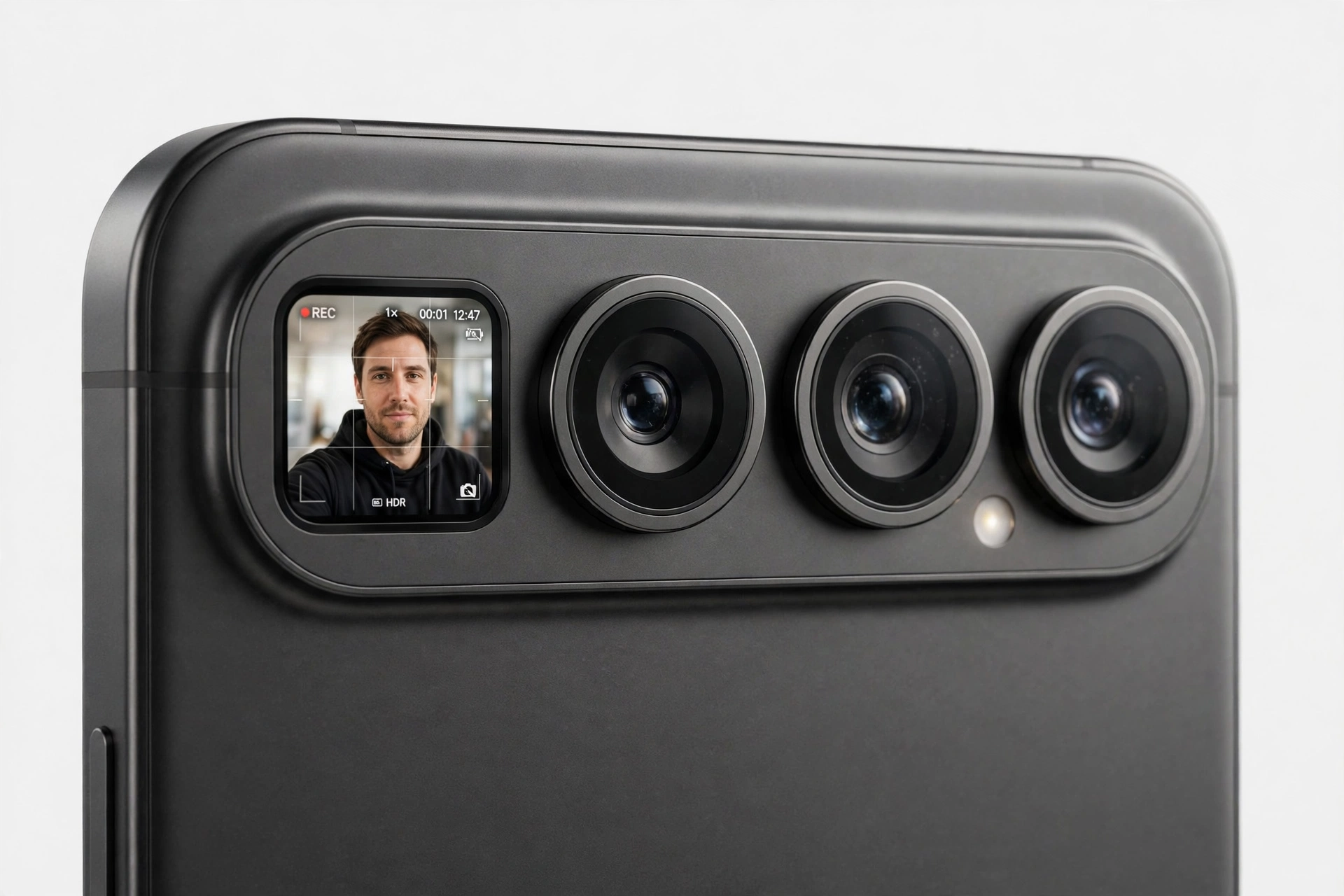
Each phone in the series carries a secondary AMOLED screen built into the rear camera module. On the Xiaomi 18 Pro it measures 2.7 inches; on the Pro Max it is 2.9 inches. Both panels run at 120Hz and reach up to 4,000 nits of peak brightness, matching the main displays.
The screen is more than a notification window. It works as a live viewfinder, so you can frame a selfie or a video with the rear cameras instead of the front camera — a trick that puts the 200-megapixel sensors to work for self-portraits. It can also show notifications, calendar entries and music controls, and Xiaomi says owners can generate custom app cards for it with Xiaomi AI.
This is the part of the launch with the clearest history. Xiaomi’s Mi 11 Ultra had a small rear screen back in 2021, and the Xiaomi 17 Pro models made it a proper, usable OLED panel last year — but only in China. The 18 Pro series is the first time Xiaomi is selling a rear-display flagship globally, which turns a China-only experiment into a test of whether buyers outside China want a second screen on the back of their phone.
Two 200MP Leica Cameras, Front and Back
The camera system is the other half of the pitch. Both phones carry a triple rear setup developed with Leica: a 200-megapixel primary sensor with optical image stabilisation, a 200-megapixel periscope telephoto camera with OIS, and a 50-megapixel ultrawide camera. A 50-megapixel front camera handles ordinary selfies and video calls.
Xiaomi’s teaser puts the two 200-megapixel sensors front and centre, and the pairing with the Back Display is deliberate: the rear display exists largely so those big sensors can shoot self-portraits. Revu’s breakdown of the launch notes that the secondary display doubles as a viewfinder, letting you frame yourself on the back screen and take selfies with the 200-megapixel rear cameras without giving up image quality.
Snapdragon 8 Elite Gen 6: First Phones on Qualcomm’s 2nm Chips
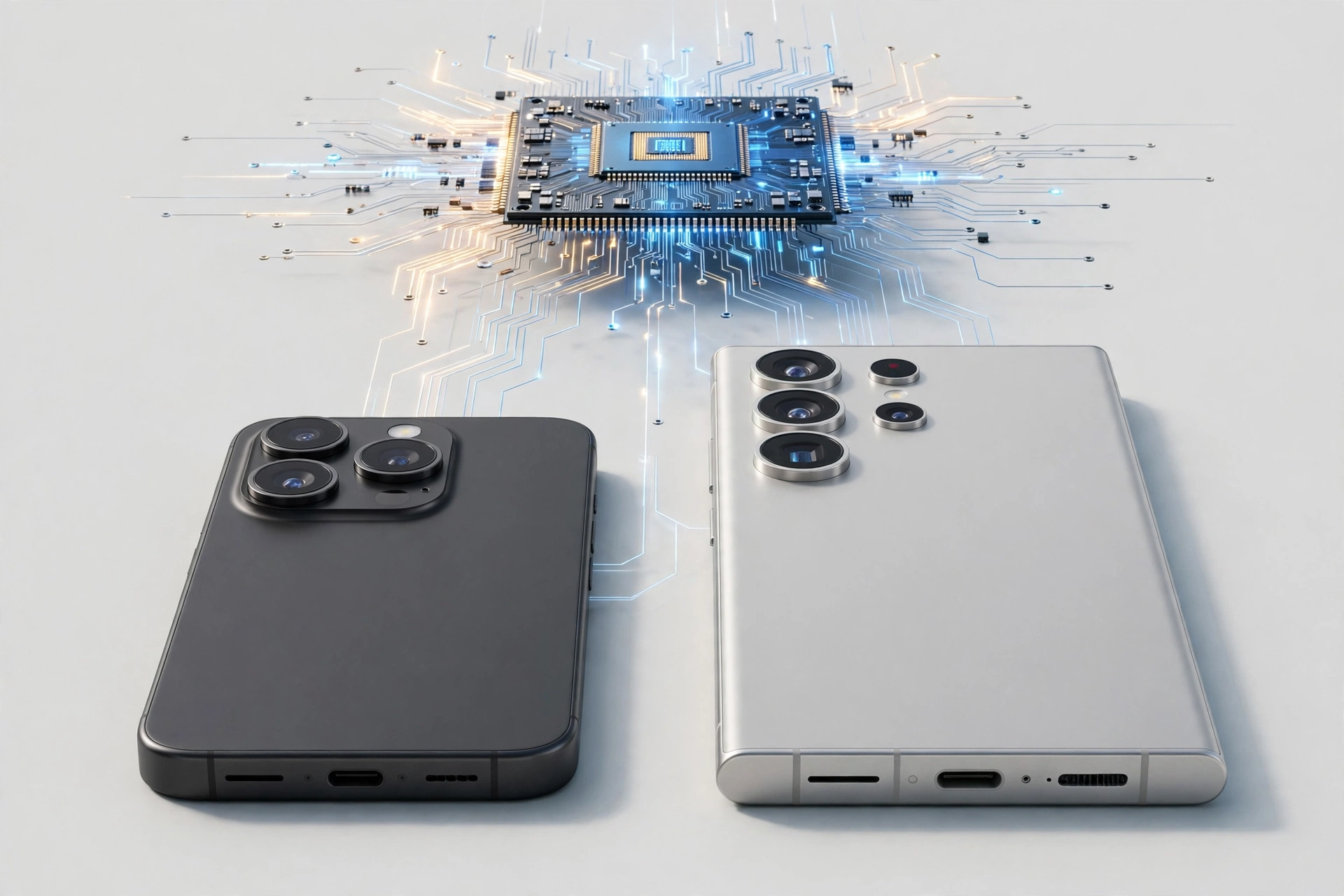
Under the hood, the Xiaomi 18 Pro runs the Snapdragon 8 Elite Gen 6, while the Pro Max steps up to the Snapdragon 8 Elite Extreme Gen 6. Both are built on a 2nm process, and the two phones are the world’s first to run on Qualcomm’s new flagship platforms.
The launch lands in a busy week for silicon. Google’s new TPU 8tx and TPU 8i Max bring confidential inference and massive context windows to the data center, the Expedera and Cadence edge AI subsystem pairs an NPU with an AI co-processor for on-device inference, NXP’s unified robotics platform pushes AI into physical robots, and NVIDIA’s sovereign AI collaboration in Korea mixes GPUs with Korean NPUs. The Xiaomi 18 Pro series is the consumer entry in the same story: flagship silicon, shipping first in a phone.
The China models pair the chips with up to 16GB of LPDDR5X RAM and up to 1TB of UFS 4.1 storage. Global memory configurations have not been confirmed yet, so buyers should wait for the Paris event for the full list.
Displays, Privacy, and Everyday Specs
The main screens are sized for two different hands: 6.4 inches on the Xiaomi 18 Pro and 6.9 inches on the Pro Max. Both are LTPO AMOLED panels with a 120Hz adaptive refresh rate and up to 4,000 nits of peak brightness.
Both phones also include a Privacy Display feature designed to limit how much of the screen is visible from side angles — a small but practical addition for anyone who reads messages on a crowded train. The phones run HyperOS 4, based on Android 17, continuing Xiaomi’s software refresh alongside the hardware.
The Battery Question for Global Buyers
Battery capacity is the one spec where global buyers may get less than China. The Chinese models pack a 7,000mAh battery in the Pro and an 8,500mAh unit in the Pro Max, both with 100W wired charging, 50W wireless charging and 27W wired reverse charging.
Reports based on regulatory filings suggest the global versions will be smaller: around 6,000mAh for the Pro and 7,050mAh for the Pro Max. Those figures are not confirmed by Xiaomi, and charging speeds for the global models are also unconfirmed, so treat them as the numbers to verify in Paris rather than settled specs. Even at the smaller reported sizes, both batteries would still be large by 2026 flagship standards.
What We Still Don’t Know
Three questions remain open until November 17. First, pricing: Xiaomi has not confirmed European or global prices for either model, and reports suggest the flagships may debut at higher prices than their predecessors. Second, availability: no global sale date has been announced beyond the launch event itself. Third, the “more surprises” Xiaomi teased — one report mentions a possible Xiaomi Watch S5 41mm appearance, but nothing is confirmed.
What is confirmed is the shape of the launch: two sizes, a Back Display on both, dual 200-megapixel Leica cameras, and the first Snapdragon 8 Elite Gen 6 phones in the world. For a company that kept its rear-display flagships in China last year, taking the 18 Pro series global is the bigger statement — Xiaomi is betting that a second screen on the back of a phone is ready for a worldwide audience.
Watch the Paris event on November 17 at 2pm GMT+1 for pricing, global availability and whatever Xiaomi’s extra surprises turn out to be. If the Back Display catches on outside China, expect every other flagship maker to start sketching a screen on the back of their next phone.