United Nations climate talks in Antalya, Turkey, stretched into overtime on Saturday as negotiators from nearly 200 countries failed to agree on a final deal — and the draft agreement on the table does not mention fossil fuels at all.
The two-week summit, known as COP31, was scheduled to end on Friday, November 20. Instead, the closing plenary was suspended at 10:29 p.m. local time with the biggest questions still unresolved, and talks resumed on Saturday with crews already boxing up the venue around the negotiators. Organisers insisted a deal was still possible, but the mood inside the conference centre was bleak.
“We are close to the finish line but not there yet,” said Turkish Environment Minister Murat Kurum, president of the summit, late on Friday night. “Yes, we are tired, and we have put in a great deal of effort — but we still have the capacity, right here in this hall, to convey truly meaningful messages to the world. By reaching a consensus, we can effect real change.”
Whether that consensus arrives is now the open question hanging over the final hours of COP31. Earlier in the summit, the COP31 Presidency launched the Antalya AI Pledge on sustainable AI, a voluntary commitment to cut the environmental cost of artificial intelligence.
A Draft Deal With No Mention of Fossil Fuels
The central dispute is over the words that are missing. The latest draft of the final agreement — the document meant to set out how the world will deal with climate change — contains no reference to fossil fuels at all. An earlier draft had included proposals for faster action on phasing them out, but a slimmed-down version published on Thursday stripped out every mention of ending fossil fuel use, following objections from Saudi Arabia and other major oil and gas producers.
That matters because burning coal, oil and natural gas is the chief cause of climate change, and because the world agreed only three years ago, at COP28 in Dubai, to “transition away from fossil fuels.” Fossil fuels went unmentioned in final COP decisions for more than 25 years until the 2021 Glasgow summit first acknowledged their role.
“It would be a real setback if we come out of here with no signal that we were serious about what we agreed to do three years ago,” said Alden Meyer, a longtime climate analyst with the European think tank E3G. “Unless things change by tomorrow, we are heading for a very disappointing outcome.”
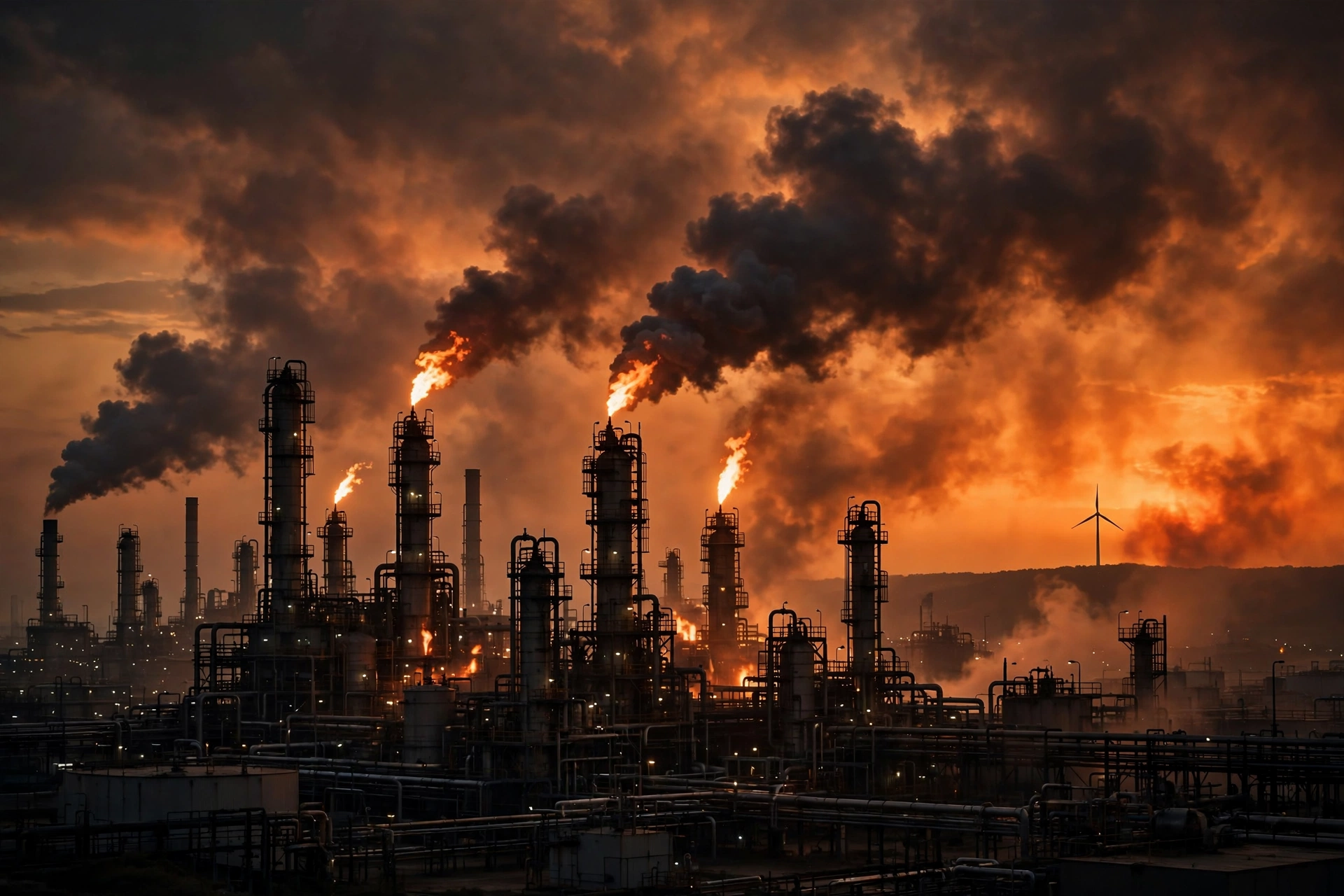
The draft does set out one big energy goal: raising the share of electricity in total global energy consumption from roughly 21 percent today to 35 percent by 2035. But it does not say that electricity should come from renewable sources such as solar and wind, leaving the door open for fossil-fuelled power plants to count toward the target. The draft also gives prominent place to carbon capture and storage, with ambitious targets for the technology — a choice several delegations criticised as expensive and unproven at scale, even as soaring energy demand from data centres keeps pushing global electricity use higher.
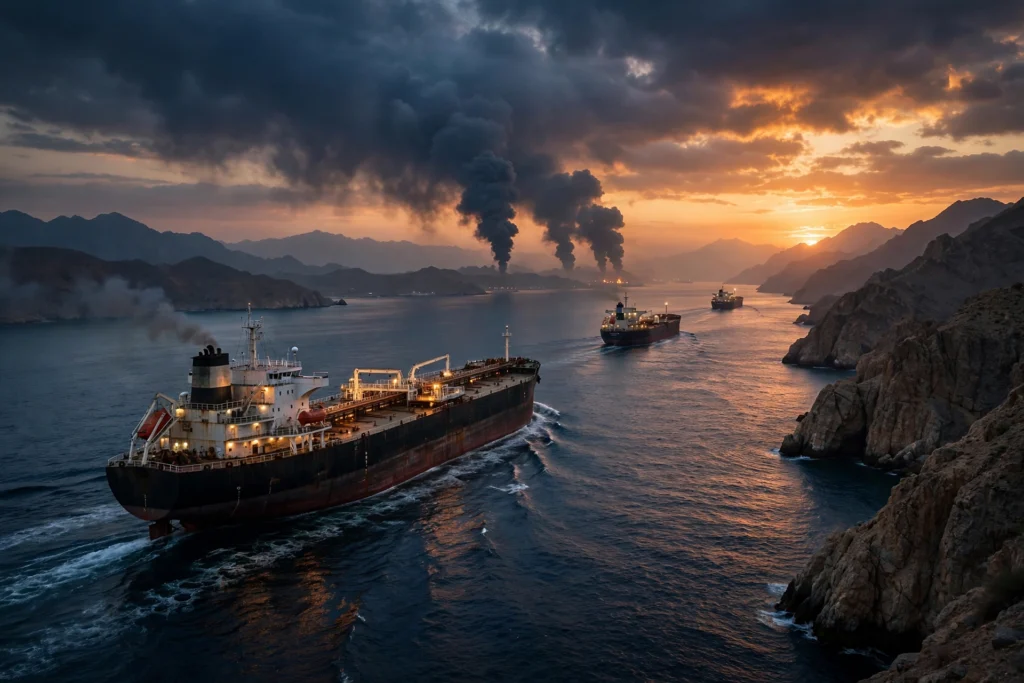
“It allows developed countries to continue producing oil and gas with a claim that CCUS will fix it, while we will have a bigger role to triple renewables, which is not balanced at all,” said Bob Natifu, Uganda’s commissioner of climate change and carbon markets. OPEC members Saudi Arabia and Venezuela both used their official speeches at the conference to make the case for a future role for fossil fuels, even as oil markets remain on edge after a string of tanker attacks in the Strait of Hormuz.
Kurum, the COP31 president, argued that the electrification push itself implies a transition away from fossil fuels, adding: “We are not here to discuss decisions at previous COPs.” He promised a third version of the final document on Saturday morning after overnight talks.
Climate Finance: The $120 Billion Promise That Disappeared
Money is the second fault line. The draft agreement says a fund to compensate countries ravaged by climate change should be tripled, but it does not specify an amount. A previous version said at least $120 billion a year would be needed by 2035 to help the mostly poorer, vulnerable nations that are bearing the brunt of climate disasters despite contributing little to the problem. That target was dropped from the second draft.
The money is supposed to come from wealthier nations that have contributed most to climate change, but rich countries are not even providing previously agreed funds, and many of the world’s most polluting nations did not participate directly in this year’s talks — including the United States, the second-biggest polluter behind China and the largest historical emitter, which stayed away for a second year running after President Donald Trump ended cooperation on climate and called global warming a hoax.
“There is nothing on the table that protects people, or addresses the priorities of the Global South,” said Tasneem Essop, executive director of Climate Action Network International, at a Friday event where attendees chanted and held signs reading “SHAME!”
Panama went further, vowing to formally object if the final agreement does not add climate finance, cap oil production and acknowledge failing goals. Its environment minister, Juan Carlos Navarro, said the talks were being held hostage by a “petroleum mafia” and needed reform. “It is not acceptable to have a COP or a cover document that does not even mention fossil fuels, and we simply will not put up with it,” he told a press conference. “The COPs have become an exercise in hypocrisy and futility. What we have here is a contest to see who speaks the most, who blows the most hot air.”
Protests and Warnings Inside the Venue
Frustration spilled onto the conference floor on Friday. During a late-night session, delegates passed a protest banner reading “failure,” while a demonstrator wearing a red noose around his neck and a vest emblazoned with the slogan “you are killing the future” interrupted proceedings by clambering onto a table and shouting: “You take out fossil fuel — you are killing the future, you are killing the future.” In a separate disruption, climate activist Amalen confronted Kurum directly during his opening address at the evening plenary.
Outside the negotiating rooms, the criticism was just as blunt. In a letter sent on Saturday to the summit’s co-hosts, Turkey and Australia, 100 civil society groups warned that they were “on course to preside over one of the most disappointing COPs” the United Nations has ever held, with only hours left “to save this COP from becoming a low point of three decades of climate negotiations.”
“The COP presidents want to tell us this has been a great COP. Well, I can tell you without any doubt that this has been the worst COP ever,” said Mohamed Adow, director of the climate think tank Power Shift Africa.
“COP31 is in a bleak overtime, with dwindling food and water, and no sign of any progress since the alarmingly underwhelming texts we saw earlier,” said Rachel Cleetus of the Union of Concerned Scientists, who was at the venue in Antalya. “No one knows what is happening behind closed doors, or what the outcome of COP31 will be,” added Teresa Anderson, global lead on climate justice at ActionAid International.
Not everyone had given up. Chris Bowen, Australia’s climate change minister and the lead negotiator, told reporters he remained hopeful of a deal everyone could get behind. “Things worth doing, in my experience, don’t come easy,” he said. “People have strong views, of course. I’m not stepping away from that, but no one has said to me ‘Let’s give up and go home’.” Bowen added that he believed the work to transition away from fossil fuels “can and will continue” regardless of the wording in Antalya. That debate over carbon rules also ran through the week’s other big negotiation in Europe, where the UK and EU signed a landmark post-Brexit deal covering carbon markets.
What Is at Stake
The talks come amid urgent warnings that the planet is sure to breach the goal set in the 2015 Paris Agreement of limiting long-term warming to 1.5 degrees Celsius above pre-industrial temperatures. October 2026 was 1.8 degrees Celsius warmer than the mid-1800s, according to Berkeley Earth, and a United Nations report last month found the world is set to exceed the 1.5-degree threshold.
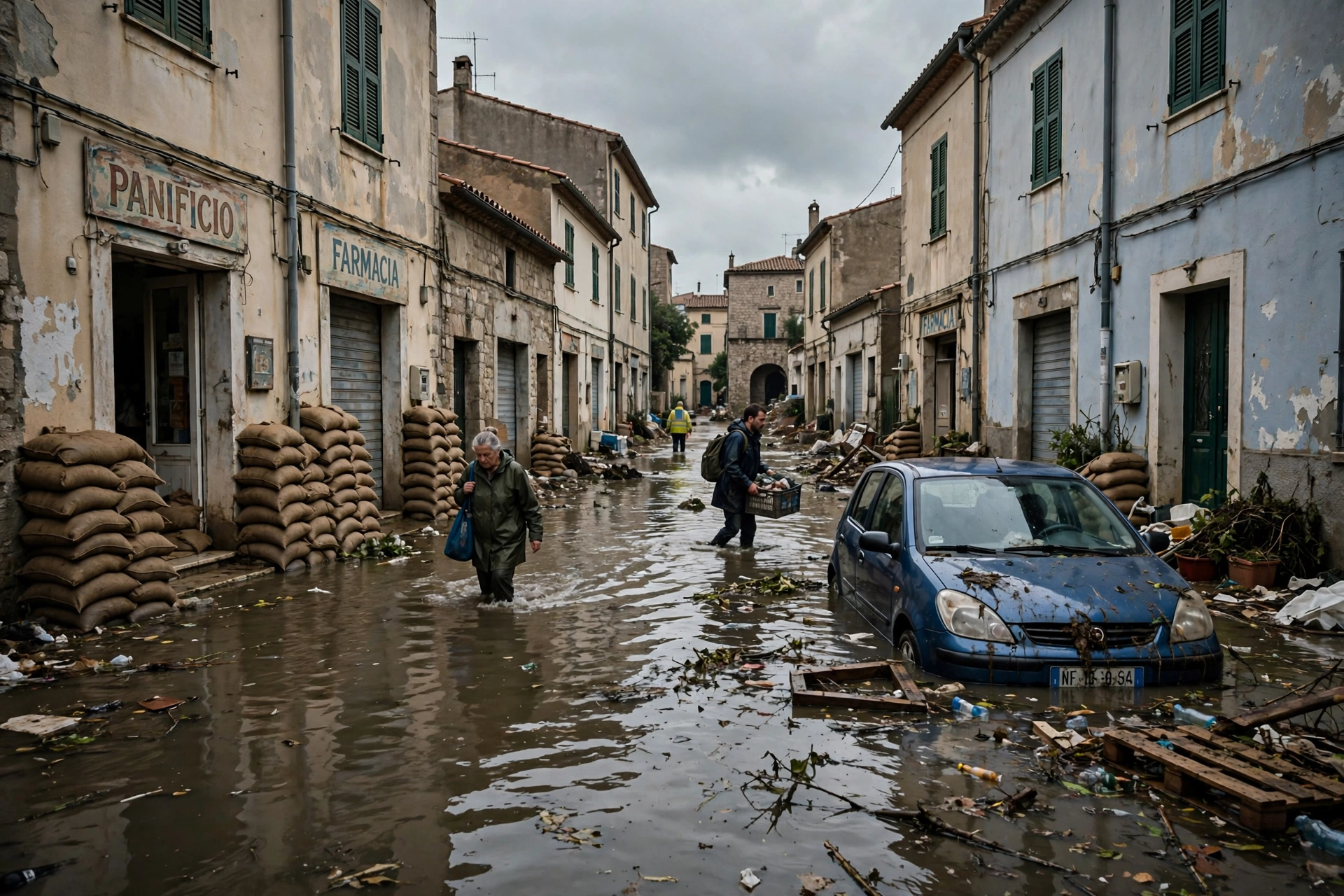
It has also been a year of climate-related disasters, including Europe’s deadly heat waves and devastating flooding in Nepal — the kind of events the talks are meant to help the world withstand. The draft deal under discussion acknowledges the projected overshoot of 1.5 degrees and encourages accelerated deployment of technologies that can remove greenhouse gases from the atmosphere to help bring temperatures back down eventually.
“We can see where it’s going, and it’s not going to be a high-ambition text,” said Ralph Regenvanu, climate minister of Vanuatu, the South Pacific island nation threatened by sea level rise and worsening storms. “Disappointment is rife,” said Iskander Erzini Vernoit, an adviser to African negotiators in Turkey. “Hope is not lost, but absent a course correction, we are headed toward a low-ambition set of outcomes at COP31.”
What Happens Next
Negotiators will keep working through Saturday in Antalya, with Kurum’s promised third draft expected in the morning. Some decisions have already been put off to next year. In recent years, efforts to secure consensus at climate summits have regularly blown past the deadline by more than 24 hours — the record is the 44-hour delay at COP25 in Madrid in 2019 — so a Saturday finish, even a late one, would not be unusual.
Whatever emerges, the next summit is already set: COP32 will take place in Addis Ababa, Ethiopia, in November 2027. The question for Antalya is whether the final text will contain any signal at all that the world still intends to move away from the fuels driving the warming — or whether, as the activists’ letter warned, COP31 will be remembered as the summit where fossil fuels disappeared from the deal entirely.
Frequently Asked Questions
Why did COP31 go into overtime?
The two-week summit in Antalya was scheduled to end on Friday, November 20, but negotiators from nearly 200 countries could not agree on the final text. The closing plenary was suspended at 10:29 p.m. local time, with fossil fuel language, climate finance and adaptation funding still unresolved, and talks resumed on Saturday.
How can AI help the climate, and what did COP31 do about AI’s own footprint?
AI can forecast storms and optimise power grids, but the data centres behind it consume enormous energy — the Antalya AI Pledge launched at COP31 asks signatories to measure and cut that footprint.
What happened to the $120 billion climate finance target?
A previous draft said at least $120 billion a year would be needed by 2035 to help vulnerable developing countries adapt to climate change. That target was dropped from the second draft, and the current text says only that a fund for climate-ravaged countries should be tripled, without specifying an amount.
Where is the next climate summit?
COP32 will be held in Addis Ababa, Ethiopia, in November 2027, as announced during the Antalya talks.