The FBI is investigating an apparent breach of its nationwide criminal information database, CNN reported on Friday, November 20, citing two people briefed on the investigation. FBI officials learned of the intrusion earlier this week, and the bureau has not commented publicly on what happened.
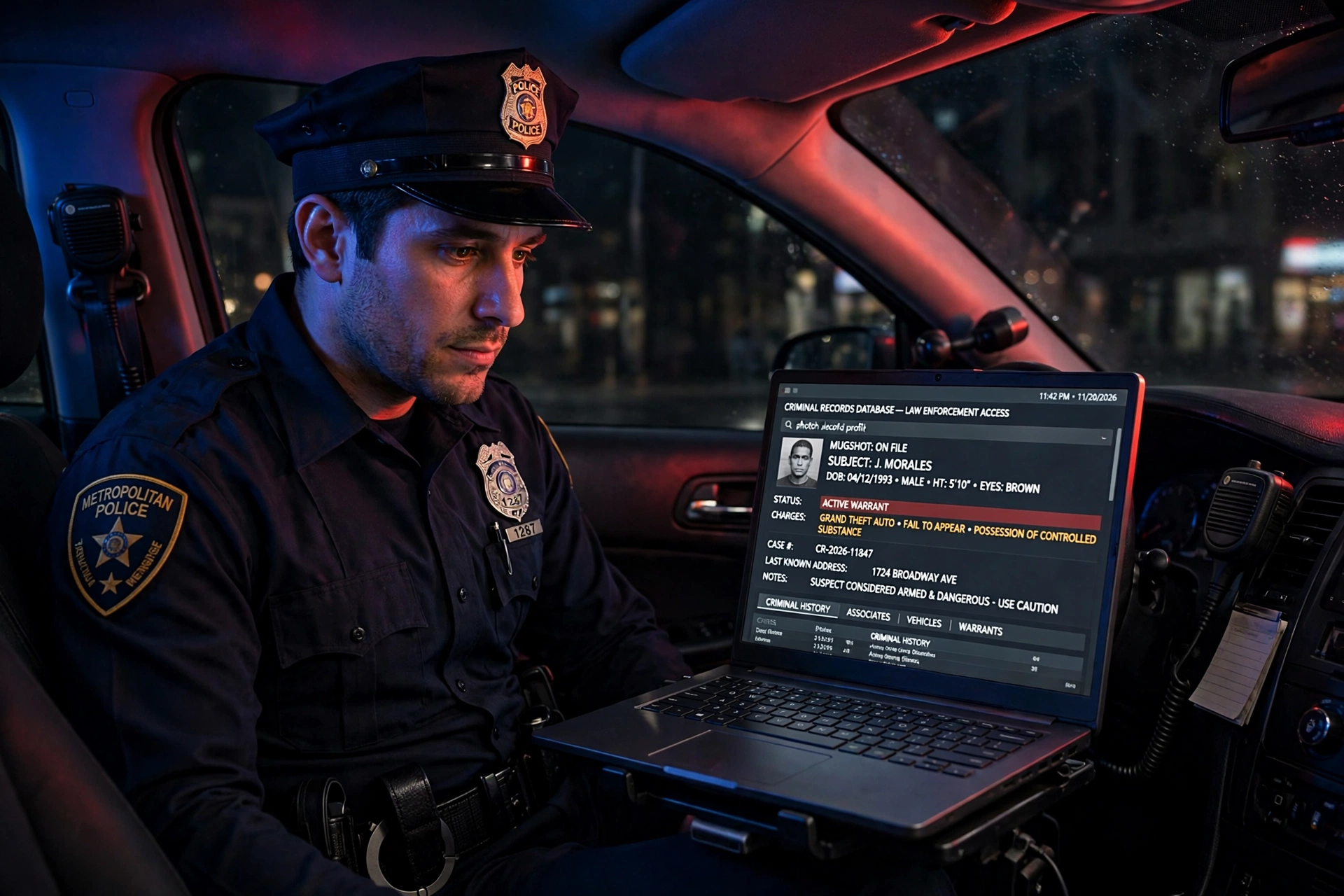
The database at the centre of the investigation is the National Crime Information Center, known as the NCIC. It is the system federal, state and local law enforcement agencies use to store and share information on warrants, criminal histories and background checks. The apparent compromise would mark the second intrusion involving an FBI system in recent months — and the latest in a string of cyber incidents and technology failures that have alarmed US officials over the past week.
What the NCIC Is — and Why This Breach Matters
The NCIC is one of the most critical information-sharing systems in American law enforcement. Every day, officers across the country rely on it to identify wanted fugitives, check for outstanding warrants and access information that can directly affect officer and public safety, a former FBI official who led investigations into cybercriminal groups told CNN.
That is why the concern goes beyond stolen data. The same former official warned that the deeper worry is whether hackers could compromise the accuracy of the information officers rely on — a corrupted warrant record or a falsified background check could put officers and the public at risk in ways a simple data theft would not.
What Is Known — and What Is Not
So far, little has been confirmed. Investigators have not disclosed how the attackers gained access, who was behind the latest breach, or what information they may have obtained. The FBI did not immediately respond to requests for comment from CNN or Reuters.
The timing added an awkward note. On Thursday, after bureau officials had learned of the latest cybersecurity incident, FBI Director Kash Patel appeared on Fox News to tout the FBI’s cybersecurity work. He discussed an operation completed months ago aimed at urging companies to update their systems and prevent hackers from reaching their sensitive data, referring to Operation Winter Shield as if it was still in the works. “Other administrations could have made these updates, but they didn’t,” Patel said. “We are staying ahead of the curve and making up for lost time.”
A Pattern of Breaches at the Bureau
This is not the first time the FBI’s own systems have been targeted. In September 2026, a digital extortion group known as ShinyHunters attacked an FBI jobs website, compromising sensitive personal data belonging to current and former FBI employees. A Canadian cybersecurity researcher and author has since been arrested and faces charges related to that breach. After the September attack, some FBI employees felt left in the dark about whether they were affected by the data theft and underwhelmed by the security resources being offered to victims, CNN previously reported.
ShinyHunters said in a statement posted on the dark web that it hacked the FBI in response to a bureau announcement advising organizations and individuals not to pay a ransom if targeted by the group.
There was also an earlier breach in 2023, when hackers broke into a computer system the FBI’s New York field office used in child sexual exploitation investigations, including a system used to store images related to the Jeffrey Epstein probe.
The threat landscape around the bureau is moving fast in other ways, too. Google warned this week that AI agents now turn patches into exploits, and the FBI warned on November 13 that criminal actors have weaponized the ARTEX framework since at least August 2026 — a sign of how quickly attack methods are evolving.
A Week of Failures Across American Systems
The NCIC news landed at the end of a bruising week for American technology and government systems. A global Microsoft 365 outage ran from November 12 to 14, traced to a latent software defect in the company’s networking gateway servers. A nationwide FAA ground stop on November 13 disrupted more than 18,000 flights. The National Security Agency’s classified internal communications network went down on November 17, and major banks including JPMorgan Chase reported service disruptions on November 16. On Thursday, the Nextgov/FCW outlet reported that an apparent cyberattack had also targeted the Department of Agriculture, taking some applications offline, including systems the department uses to provide payments such as crop insurance to farmers.
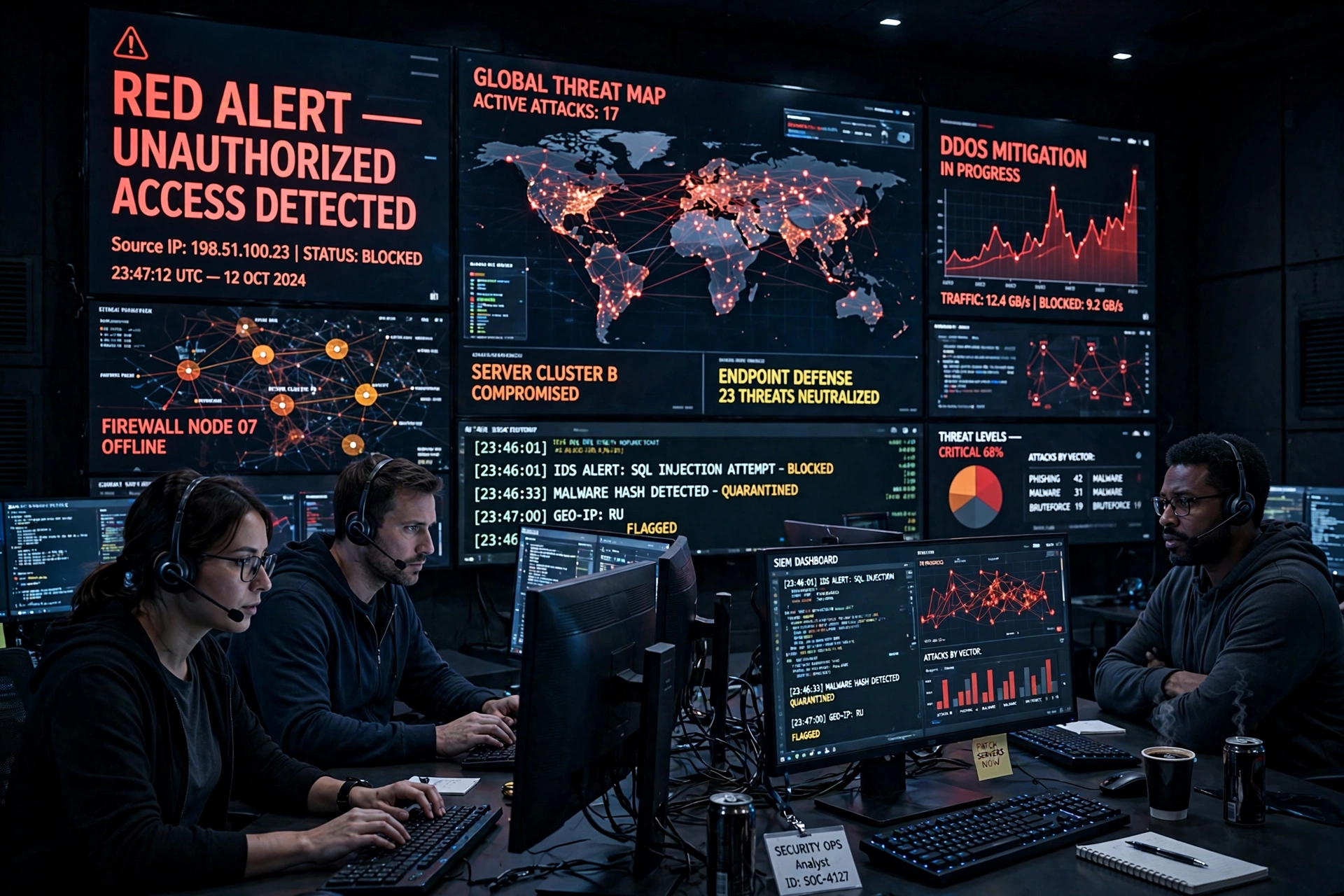
Administration officials insist the outages are unrelated and were not the result of a coordinated cyberattack. Secretary of State Marco Rubio said on November 18 that there is no indication the incidents are related, and Director of National Intelligence Jay Clayton told the House Homeland Security Committee the same day that officials had found no evidence of a coordinated or state-sponsored operation. FBI Deputy Director Christopher Raia also testified at that hearing.
The distinction matters: the November outages were, by the official account, technical failures — software defects, overloaded equipment and maintenance problems. The NCIC incident, by contrast, is being treated as an intrusion, and it is still under investigation. Governments are not standing still in the face of these threats — here is how governments around the world fight cybercrime, from elite task forces to global alliances.
What Happens Next
The investigation will now have to answer three questions: how the attackers got in, what they took or changed, and whether the system officers depend on every day can still be trusted. Until those answers arrive, the bureau faces uncomfortable questions about the security of its own house — the same house that warns companies and citizens to stay ahead of hackers.
The breach also landed in a Washington already consumed by other crises, from the Senate’s 48-51 rejection of a war powers resolution on Iran to Russia’s massive missile attack on Kyiv — a reminder that the strain on American institutions is coming from several directions at once.
Frequently Asked Questions
What is the NCIC?
The National Crime Information Center is a nationwide database operated by the FBI that lets federal, state and local law enforcement agencies share and retrieve criminal justice information, including warrants, criminal histories and background checks.
How was the breach discovered?
The FBI learned of the intrusion earlier this week. CNN reported it on Friday, November 20, citing two people briefed on the investigation. The FBI has not commented publicly on the incident.
Is this the first time the FBI has been hacked?
No. It is the second reported intrusion involving an FBI system in recent months, after the ShinyHunters attack on an FBI jobs website in September 2026. Hackers also breached a system used by the FBI’s New York field office in 2023.
Was the NCIC breach connected to the other November outages?
No evidence presented so far connects them. Officials say the Microsoft, FAA, banking and NSA outages were separate technical failures, not a coordinated cyberattack. The NCIC incident is under investigation and no attribution has been made.
Sources
- CNN: “The FBI was hacked again, this time the breach targeted its crime database“
- Reuters: “FBI’s criminal information database hacked, CNN reports“
- New York Post: “Hackers reportedly breach FBI crime database — the 2nd time the bureau was targeted in months“
- Wikipedia: “November 2026 technology outages“