XTEINK, maker of ultra-portable magnetic e-paper readers, launched its AI InkApp Store to international markets on November 2, 2026. The idea is simple and unusual: the back of your phone can hold more than a reading screen — it can run small apps you describe in plain language, from reading companions and to-do lists to custom clocks and simple games.
What XTEINK Just Launched
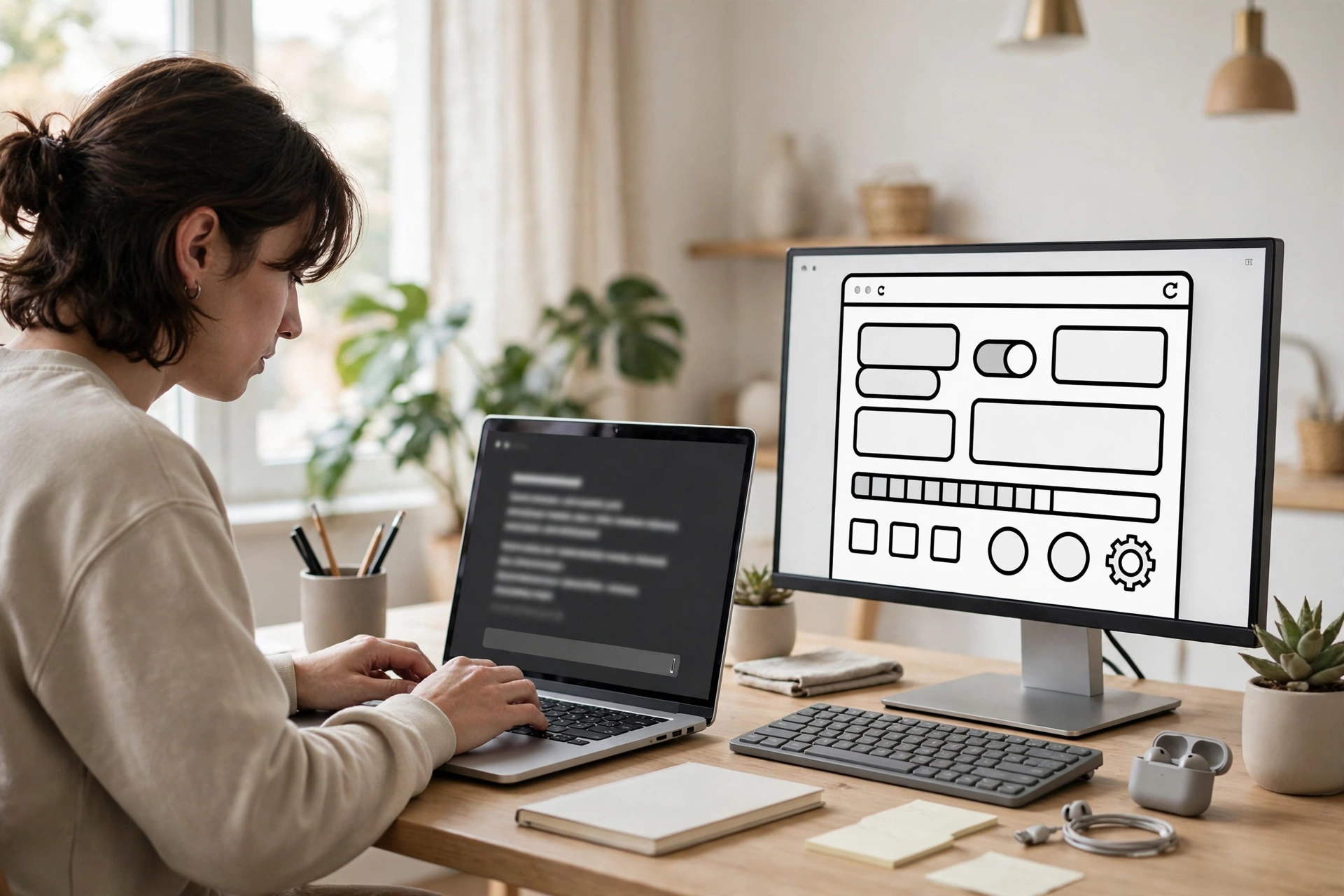
The launch brings four parts together. InkApp AI Studio is where apps are created. The open InkApp API lets developers build on the platform. An on-device runtime executes the apps on the reader itself. And the app store distributes them to other users. The process is deliberately conversational: users describe a feature in words, AI generates the code, they preview and refine it in a browser-based simulator, then send the app directly to a compatible device or submit it to the store for human review. The platform currently supports the XTEINK X4 Pro, with support for the X4 Classic expected by the end of 2026.
How InkApp AI Studio Works
Getting from an idea to a working pocket app follows four plain steps. First, describe it: write what you want the app to do in everyday language, rather than writing code. Second, preview it in the simulator, where you can see how it would look and behave on an e-paper screen. Third, refine it: adjust the wording, layout or features until the result matches what you had in mind. Fourth, deploy it to your device, or submit it for review if you want other people to be able to download it from the store.
The platform takes care of much of the fiddly work behind the scenes, including image conversion, interface components, fonts, app storage and device compatibility. Its capabilities include live internet access, auto-save, reading status, Bluetooth keyboard support and customizable interfaces — so a small app can still feel responsive and personal, rather than like a static screen.
The Hardware: X4 Pro at a Glance
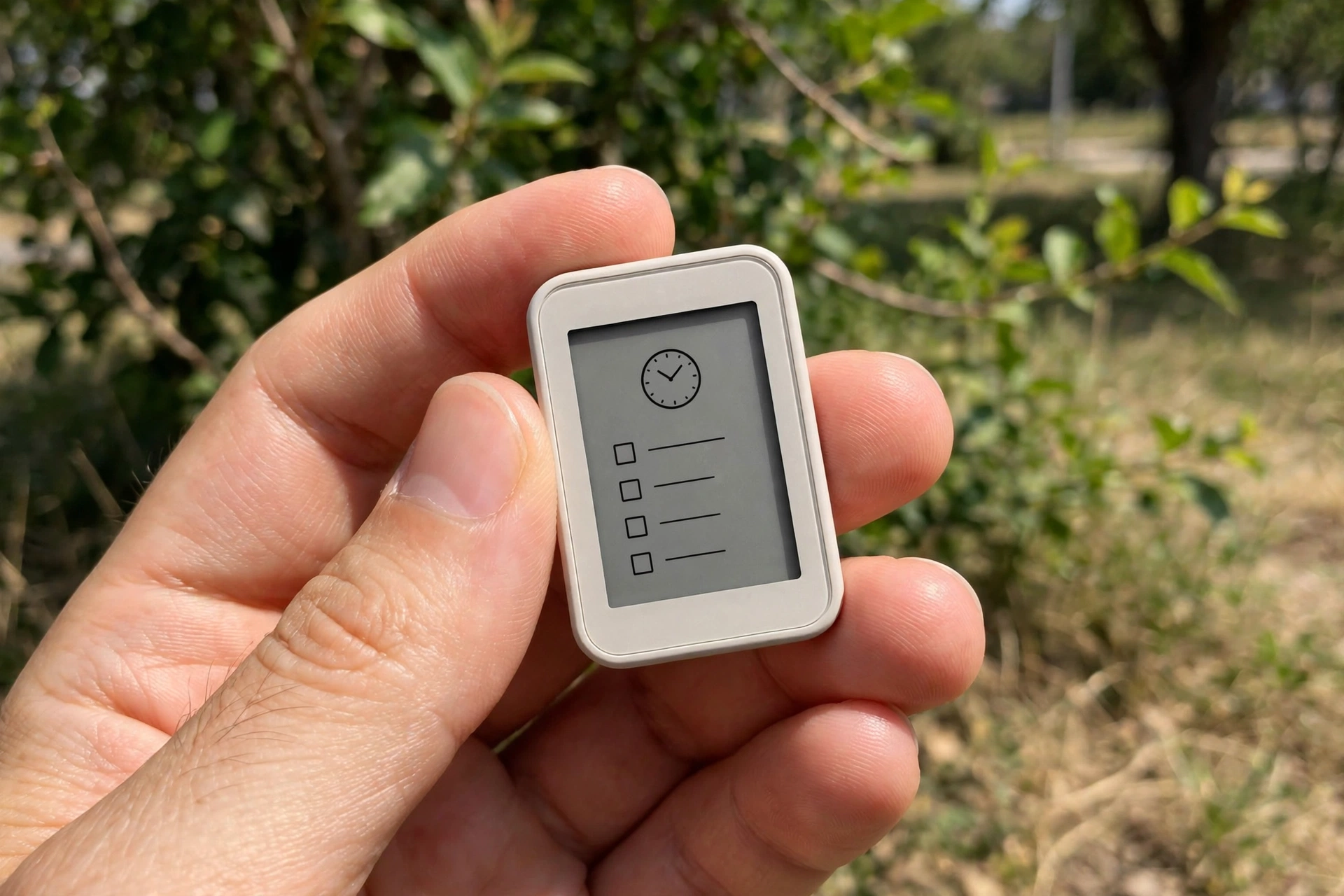
The X4 Pro is built around a 4.3-inch E Ink display at 219 PPI, in a body measuring 111 x 69 x 5.95 mm and weighing just 72 grams. It has a dual-tone front light with adjustable brightness and colour temperature, a touchscreen plus physical buttons, 16GB microSD included and expandable to 256GB, a 1,100mAh battery, and Wi-Fi and Bluetooth. Its magnetic back snaps onto compatible phones, with adhesive metal rings included for phones without built-in magnets.
The X4 Pro has an MSRP of $99 in Space Black and Mist Gray, while the X4 Classic costs $79. Both are sold through Amazon and XTEINK’s website. It is worth remembering, though, that this is a pocket reader first: frequent page turns on a 4.3-inch screen are part of the trade-off for something this small and light.
An Ecosystem Built With Users
The November 2, 2026 announcement traces a fast build-up. Prototyping began in January 2026, the formal project followed in March, and InkApp AI Studio launched in July. By October 29, more than 100 developers worldwide had created over 700 projects and held over 18,000 AI conversations. The global app store had more than 360 apps, about half of them user-created, and over 1,100 submissions including updates.
The InkApp API was made public on October 10 and had reached version 2.17 by October 29, after 34 iterations and 20 proposals co-created with users and developers. Head of AI Eric Xu said he wanted anyone interested in using natural language to interact with an e-paper device to be able to create apps that meet their own needs.
What This Means for Pocket Gadgets
This matters because it turns a single-purpose reader into a small, distraction-light computer for everyday routines, without a big bright screen. Instead of reaching for a phone for every tiny task, a glance at the back of that phone could show a to-do list, a clock, a reading goal or a simple game. That echoes Google’s detachable laptop-tablet direction — one device doing two jobs — and it fits a wider shift toward an edge AI chip built for on-device inference, with processing moving onto the device itself.
Honest Limits Before You Buy
Be clear about what this is not: it is not a smartphone replacement. A monochrome 4.3-inch screen, modest hardware and narrow native format support (EPUB, TXT) mean apps must stay simple. The announcement does not disclose AI accuracy, review turnaround times, or how many store apps are actively maintained, so the store’s long-term quality is unproven. The X4 Pro also charges via a magnetic pogo-pin connector rather than USB-C, and the InkApp Store is new, so early apps may be rough.
That caution applies to other unreleased features too: like Apple HomeView’s unannounced camera mode, this is a feature to judge only once it actually ships and can be tested in daily use. For the source details, see XTEINK’s November 2, 2026 announcement, Digital Trends’ X4 Pro review, and XTEINK’s official X4 Pro specifications.
Bottom Line
If you already like the idea of a tiny, pocketable reader that snaps to your phone, the AI InkApp Store makes the $99 X4 Pro more interesting than a reader alone — it is a small canvas for your own tiny tools. If you want a full app ecosystem, a big screen, or a bookstore built in, this is not that device. The most honest test is simple: try describing one small app you would actually use every day, and see whether the store version earns its place on the back of your phone.