Russia has warned Estonia that its actions are “on the verge of triggering open war”, in the sharpest escalation yet in a fast-moving dispute between Moscow and a NATO member on the alliance’s northeastern flank.
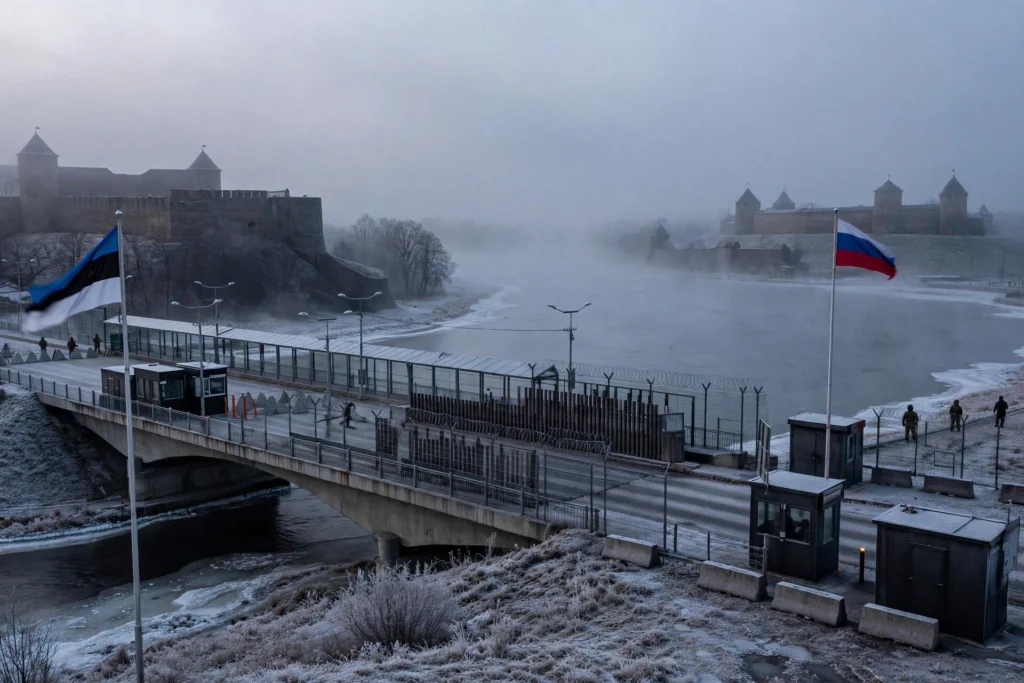
The warning came on Monday, November 23, when Russia’s Foreign Ministry summoned Estonia’s charge d’affaires in Moscow, Marek Uhtegi, to deliver a formal protest over Tallinn’s decision to close its land border with Russia from December 1. In a statement after the meeting, the ministry said the Estonian diplomat “was once again told that such provocative and extremely dangerous actions are on the verge of triggering open war with Russia.”
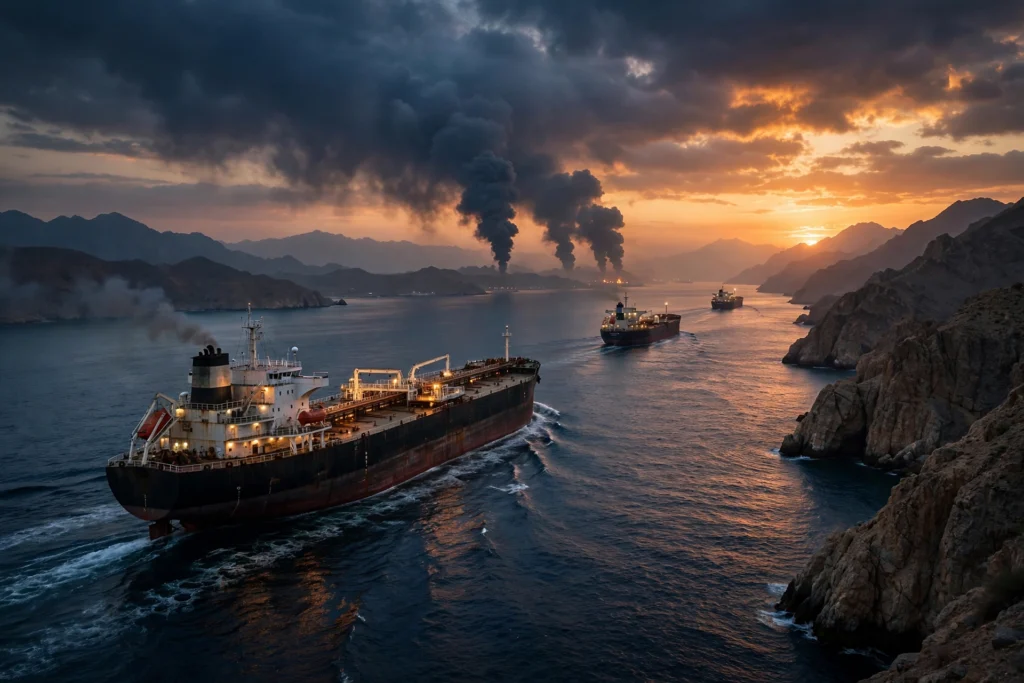
Estonia has dismissed the accusations as baseless, and no military action against Estonia has been reported. But the exchange has pushed relations between Russia and one of its smallest NATO neighbours to a new low — and it comes in a month already marked by Russian missiles landing in Poland, Russian aircraft probing South Korea’s air defence zone, and a Ukrainian naval drone strike on a Russian warship in Libya.
Why Estonia Is Closing Its Border With Russia
Estonia will suspend all road border crossings with Russia from 7 a.m. on December 1, 2026, for at least six months. The closure covers the road checkpoints at Narva-1, Narva-2, Koidula, Luhamaa and Saatse, according to public broadcaster ERR. Rail freight is not affected, though it remains under strict customs checks.
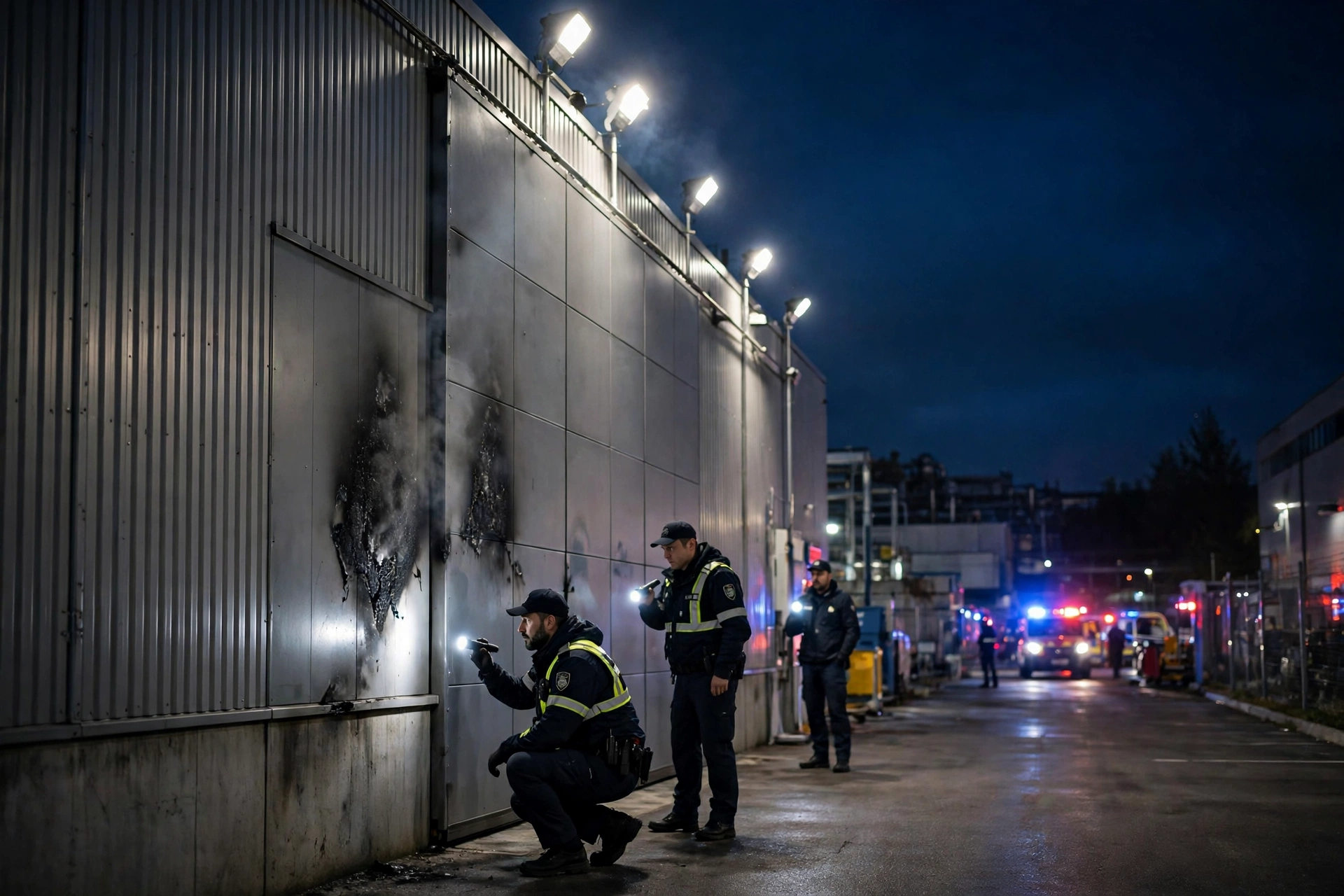
Tallinn links the decision directly to an attempted arson attack on Threod Systems, a drone manufacturer near the capital, in the early hours of November 14. Estonia’s Foreign Minister Margus Tsahkna said Russia’s military intelligence service, the GRU, ordered the attack, a conclusion also reached by Estonia’s Internal Security Service, known as KAPO. Eight suspects were detained over the attempt, and company security staff intervened before the fire caused serious damage. Moscow denies any involvement.
Estonian officials describe the Threod attempt as the second sabotage incident of its kind this year, after an arson attack in mid-August on Milrem Robotics, another Estonian defence firm that supplies unmanned military vehicles to Ukraine.
Interior Minister Igor Taro said the border closure would limit Russia’s ability to organise further attacks. He also said Russian security services were intimidating and trying to recruit Estonians travelling through the checkpoints.
The closure is not without controversy inside Estonia. President Ulle Madise and the mayor of Narva have pushed back against the decision. Narva, a city of about 50,000 people where more than 90 percent of residents are Russian-speakers, sits directly on the border, and many families there rely on the crossings to visit relatives and shop on the other side. Estonian police data cited by NBC News show about 760,000 people crossed the border this year, including 307,000 Russian nationals and 175,000 Estonian citizens.
What Moscow Accused Estonia Of
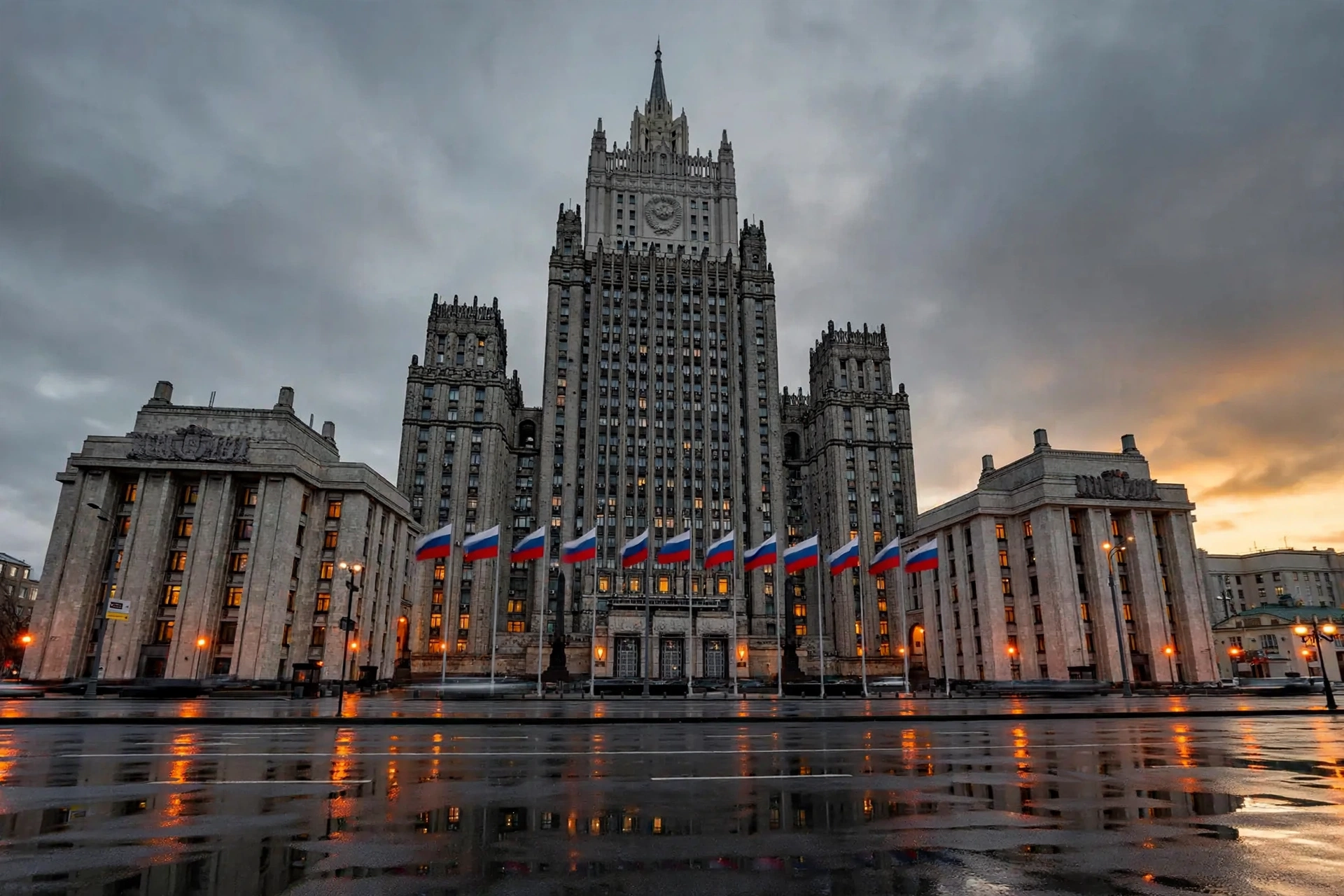
Russia’s Foreign Ministry set out a long list of grievances in its statement on Monday. It accused Estonia of quietly allowing Ukraine to use its airspace to attack Russian targets — a claim Tallinn and other Baltic states have repeatedly denied. It also accused Estonia of trying to obstruct the movement of Russian cargo ships in the Baltic Sea, of banning the transit of Russian and Belarusian grain, of seeking a ban on the Russian language, and of threatening to close the Russian Orthodox Church. In a separate account of the protest, Moscow also accused Estonia of imposing what it called a naval blockade.
“The Russian side reserves the right to take comprehensive political and diplomatic measures aimed at protecting Russia’s national interests and the legitimate rights of its citizens,” the ministry said.
Before the summons, Foreign Ministry spokeswoman Maria Zakharova had already described the border closure as “openly confrontational” and said it had been taken under the pretext of the alleged arson attempt.
How Estonia Answered the Warning
Estonia’s Foreign Ministry did not answer every allegation, but it flatly denied the central one. “While we generally do not comment on or engage with Russian propaganda narratives, in this case we can reiterate that Estonia has never allowed, and will never allow, its territory to be used for military operations by another country,” it said in a statement.
Foreign Minister Margus Tsahkna went further in a post on X late on Monday, writing that “Russia is flooding the airwaves with baseless accusations against Estonia to distract from its own actions undermining European security.”
Tsahkna then listed what he called Russia’s own record in recent weeks: Russian missiles have struck Polish territory; Danish authorities uncovered an alleged Russian intelligence plot; commercial shipping has faced threats in the Black Sea; and Estonia itself thwarted a GRU-ordered arson attack on a defence company. “All this is happening while Russia continues its war of aggression against Ukraine,” he added.
Why This Matters for NATO’s Baltic Flank
Estonia is a member of both NATO and the European Union, and its roughly 294-kilometre border with Russia is one of the alliance’s most sensitive frontiers. Under NATO’s Article 5, an attack on one member is treated as an attack on all — which is why even rhetorical threats against a Baltic state carry weight far beyond its size.
Estonia is not the first country on the alliance’s eastern edge to shut Russia out. Finland’s land border with Russia has been closed since December 2023, while Latvia, Lithuania and Poland have all sharply restricted crossings. Lithuania’s president has said his country could close all of its crossings if needed.
The dispute is unfolding against a wider pattern of Russian pressure on NATO’s borders. In recent days, Russian military aircraft entered South Korea’s air defence zone and Ukraine sank a Russian warship in a Libyan port, while reports that Russia may be preparing to launch a nuclear-armed satellite drew a warning from NATO’s chief that the alliance will defend itself against threats in space.
The timing also matters in Brussels. On November 23, the same day as Moscow’s warning, the European Commission proposed a 22nd package of sanctions against Russia, including a visa ban on Russian ex-combatants, restrictions on 60 Russian banks and a new Crypto Sanctions Task Force. The package needs unanimous approval from all 27 member states, and Estonia has voiced support for swift adoption.
What to Watch Next
- December 1, 7 a.m.: the closure takes effect at all five road checkpoints, and the first week will show how many residents and freight operators are affected.
- Russia’s “comprehensive measures”: whether Moscow follows through with diplomatic expulsions, restrictions on Estonian shipping or trade, or new pressure in the Baltic Sea.
- Latvia and Lithuania: whether either neighbour follows Estonia’s lead or tightens its own crossings.
- The EU sanctions vote: whether all 27 governments agree on the 22nd package, and whether any member state delays it.
- Further sabotage cases: additional arrests or attributions to the GRU, which Moscow denies.
Frequently Asked Questions
When does Estonia close its border with Russia?
All road border crossings shut from 7 a.m. on December 1, 2026, for at least six months. The checkpoints are Narva-1, Narva-2, Koidula, Luhamaa and Saatse. Rail freight continues under strict customs checks.
Why is Estonia closing the border?
Estonia says Russia’s GRU military intelligence service ordered an attempted arson attack on drone maker Threod Systems on November 14, 2026 — the second such incident this year. Russia denies involvement.
Did Russia threaten war with Estonia?
Russia’s Foreign Ministry said on November 23 that Estonian actions are “on the verge of triggering open war” and reserved the right to take “comprehensive measures”. No military action has been reported, and Estonia calls the accusations baseless.
What has Russia accused Estonia of?
Among other things, quietly letting Ukraine use its airspace to attack Russian targets, obstructing Russian cargo ships in the Baltic Sea, banning Russian and Belarusian grain transit, seeking a ban on the Russian language and threatening to close the Russian Orthodox Church.
How does this affect NATO?
Estonia is a NATO and EU member, so the dispute sits directly on the alliance’s northeastern flank. Finland has already closed its Russian border since December 2023, and Latvia, Lithuania and Poland have restricted crossings.
Sources
- Reuters: “Moscow accuses Estonia of hostile actions on ‘verge of triggering open war'” — https://www.devdiscourse.com/article/international/4011008-moscow-accuses-estonia-of-hostile-actions-on-verge-of-triggering-open-war?amp
- Intelligence Report: “Estonia Border Closure: Why Russia Is Warning of ‘Open War'” — https://intelligencereport.org/2026/11/24/estonia-border-closure-russia-open-war/
- AnewZ: “Russia-Estonia border closure” — https://anewz.tv/world/world-news/27135/russia-estonia-border-closure/news