Nvidia is closing in on one of the most interesting AI acquisitions of the year. The chip giant is in advanced talks to buy Inception, a two-year-old San Francisco startup building a fundamentally different kind of language model, for at least $500 million, according to a report by The Information citing three people familiar with the talks. The deal would also include performance-based payments for Inception’s more than 30 employees, and all three of the startup’s co-founders are expected to join Nvidia full time.
Nothing has been signed, and neither company has commented publicly. But the report, relayed by The Decoder and TipRanks on November 20, 2026, sketches a deal that says a lot about where Nvidia thinks the AI race is heading — away from just selling the chips, and toward owning the models that run on them.
What Inception Builds: Diffusion Language Models
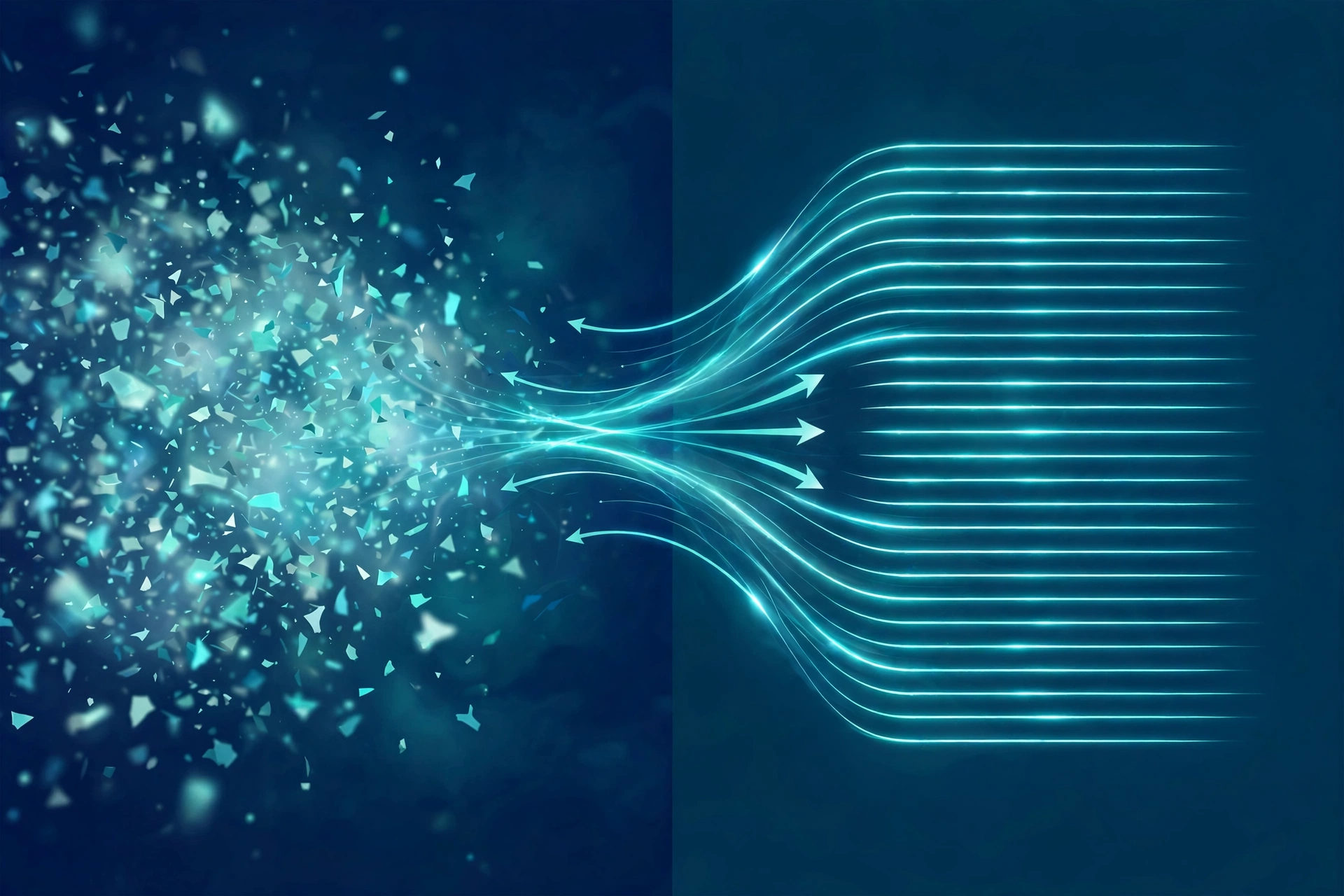
Most language models today generate text one token at a time, predicting each next word in sequence. Inception takes a different path. Its Mercury family of models uses diffusion — the same iterative technique that made AI image generation famous — to produce a full draft response and then refine it step by step, generating many tokens in parallel.
The result, according to Inception, is speed. The company claims its models run 5 to 10 times faster than comparable speed-focused AI models from OpenAI, Anthropic and Google, at a fraction of the cost, while matching them on accuracy. Its latest release, Mercury 3, is claimed to reach 1,068 tokens per second with a 1-million-token context window. Those are vendor claims, not independent benchmarks, but the architecture itself is genuinely different from the autoregressive models that dominate the industry — and that difference is exactly what Nvidia appears to be buying.
Inception has also built diffusion-based coding models and published research on multimodal understanding and reasoning, giving Nvidia more than a single product to work with.
Why Nvidia Wants Mercury
The reported acquisition would feed directly into NVIDIA’s Nemotron open models, the open-weight lineup that businesses and government customers can customise for their own applications. Nemotron models are already used by Palantir, Booz Allen Hamilton and several US government agencies as an alternative to Chinese models, and adding diffusion technology could make them meaningfully faster and cheaper to run — a strong selling point when inference costs are becoming the industry’s central battleground.
The technology would also support Nvidia’s push into physical AI. Inception’s research team is expected to explore using diffusion in the physical AI models for robots that Nvidia is developing, extending the deal’s value beyond chatbots and coding assistants into factories, warehouses and autonomous machines.
That fits a broader pattern. Nvidia has spent 2026 expanding from hardware into the full AI stack — from the RTX Spark desktops that bring local AI to the desktop to open-source guardrails for AI agents — and owning a fast, efficient model architecture strengthens every layer of that stack.
The People Behind the Deal
Acquisitions in AI are often talent deals as much as technology deals, and this one is no exception. All three Inception co-founders are expected to join Nvidia full time: CEO Stefano Ermon, a Stanford professor; Aditya Grover, a professor at UCLA; and Volodymyr Kuleshov, a professor at Cornell University.
Inception raised a $50 million seed round in November 2025, with Nvidia itself among the backers alongside Menlo Ventures, M12 and Mayfield. The talks reportedly began before Jensen Huang’s resignation as Nvidia’s chief executive on November 12, 2026 — and after Microsoft had expressed interest in a similar deal — which suggests Nvidia moved to secure a company others wanted, under leadership that was already planning for transition.
What Happens Next — and the Open Questions
Because the deal is reported rather than confirmed, several questions remain open. The price is described as “at least” $500 million, so the final figure could rise. The performance earnouts for employees suggest Nvidia is structuring the deal to keep the team in place and hitting targets after the acquisition closes.
There is also an unanswered question about Mercury itself. Customers reported on November 12 that Inception emailed them saying the Mercury API will wind down completely after December 28, 2026. Whether that shutdown proceeds, or whether Nvidia keeps Mercury running as part of Nemotron, is not addressed in the reporting so far — and it matters to the developers already building on the API.
What It Means for the AI Race
The Inception talks land in a week when the competitive map is shifting fast. OpenAI and Anthropic are both building their own inference chips, which would reduce their dependence on Nvidia hardware. By buying model technology outright, Nvidia is answering in kind: if its customers ever need Nvidia less for chips, it wants them to need Nvidia more for models.
The diffusion approach also points to a wider trend. As the industry obsesses over raw model size, a growing number of labs — including the teams behind open-weight models — are betting that how a model generates text matters as much as how big it is. If Mercury’s speed claims hold up in independent testing, diffusion could move from a research curiosity to a mainstream architecture, and Nvidia would own one of its leading implementations.
For now, the deal is still a report, not a fact. But if it closes, Nvidia will have spent half a billion dollars on a bet that the future of AI models is not just bigger — it is faster, cheaper, and built differently.