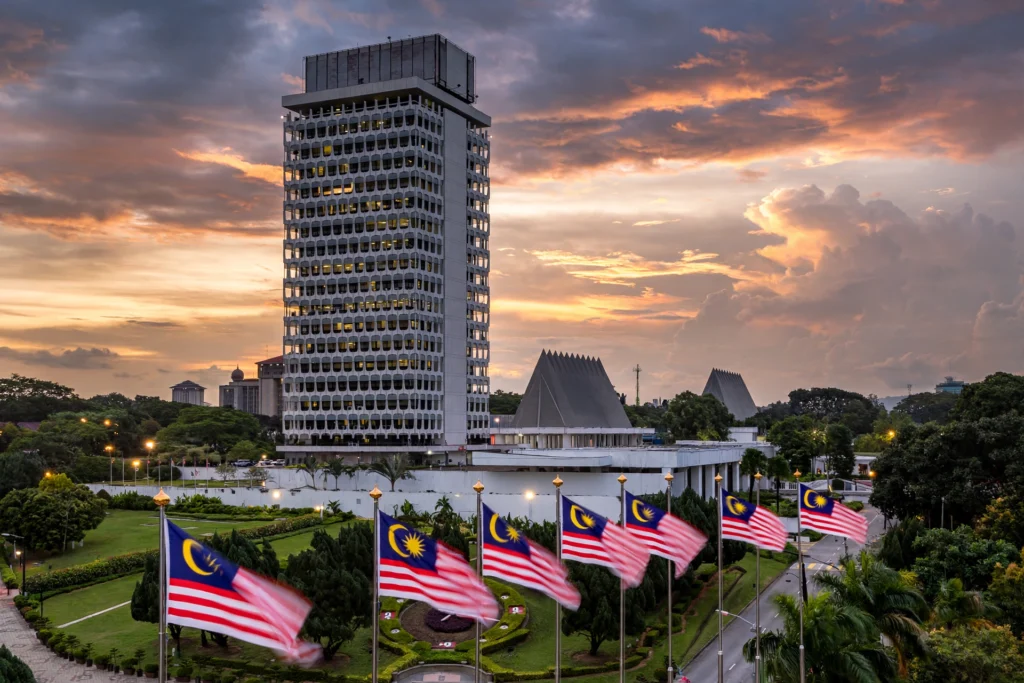
Malaysia will send another 6,803 Myanmar nationals back to Myanmar in December, Prime Minister Anwar Ibrahim told Parliament on Tuesday, November 24 — just five days after the world’s highest court found Myanmar responsible for genocide against the Rohingya minority. The announcement has put one of Southeast Asia’s most sensitive refugee questions back at the centre of global attention, and drawn a sharp rebuke from human rights groups.
Anwar defended the plan even as he said Malaysia respected the court ruling. He said the government would continue working with Myanmar’s military leadership to move people home, arguing that years of trying to resettle them in other countries had failed and that Malaysia could not carry the burden indefinitely.
What Malaysia Announced
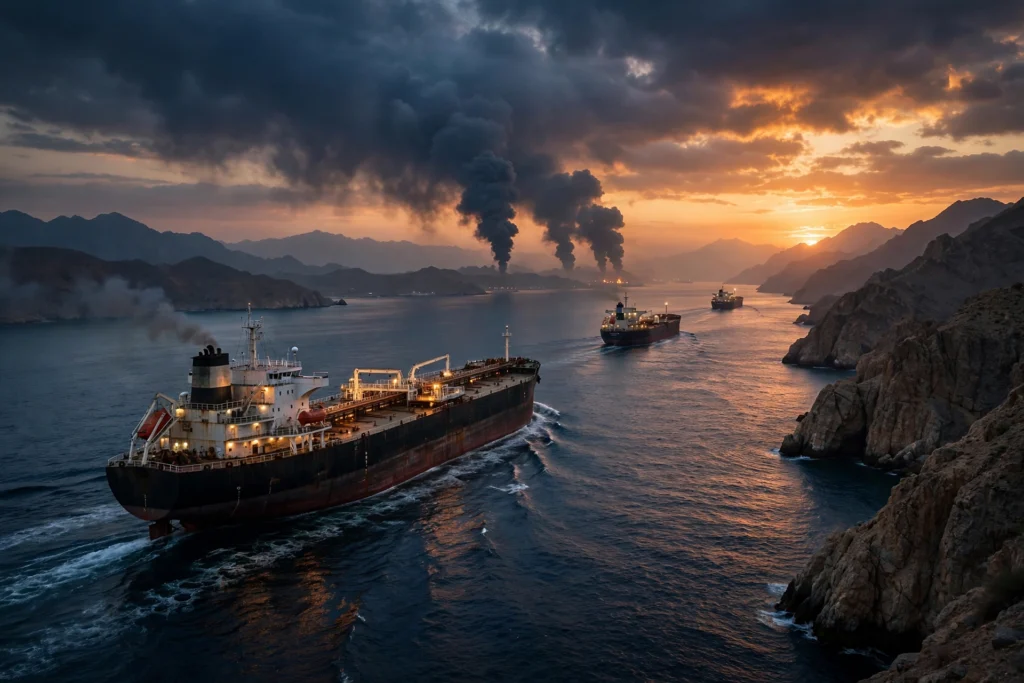
Under the plan, 1,500 people will travel home aboard three Myanmar naval vessels on December 6 and 7. A further 5,303 will return by air during the rest of the month, with Myanmar’s government paying the cost of the journeys. The figure brings the total number of Myanmar nationals Malaysia has sent back this year to more than 17,000.
The December round follows an earlier phase that began in late September, when 1,476 people were taken home aboard a Myanmar naval vessel. In total, Anwar said, 10,476 Myanmar nationals have already been repatriated this year.
Anwar said Malaysia had secured a guarantee from Myanmar of a “safe and dignified return” for those sent back. He told Parliament that, based on monitoring by Malaysian intelligence, none of the 10,476 people returned so far had been subjected to any form of pressure. He also said talks with Myanmar’s leader, Min Aung Hlaing, who visited Kuala Lumpur last month, had helped bring progress on an issue that has dragged on for years.
One important detail remains unclear: the government has not said how many of the 6,803 people scheduled for return are Rohingya. The announcement covers Myanmar nationals generally, not only members of the Rohingya community.
Who Are the People Being Returned?
Malaysia hosts nearly 200,000 refugees from Myanmar, including Rohingya who fled a military crackdown and members of other ethnic minorities displaced by the country’s civil war. Many have lived in Malaysia for years without legal status, unable to work formally and held in immigration detention when picked up by the authorities.
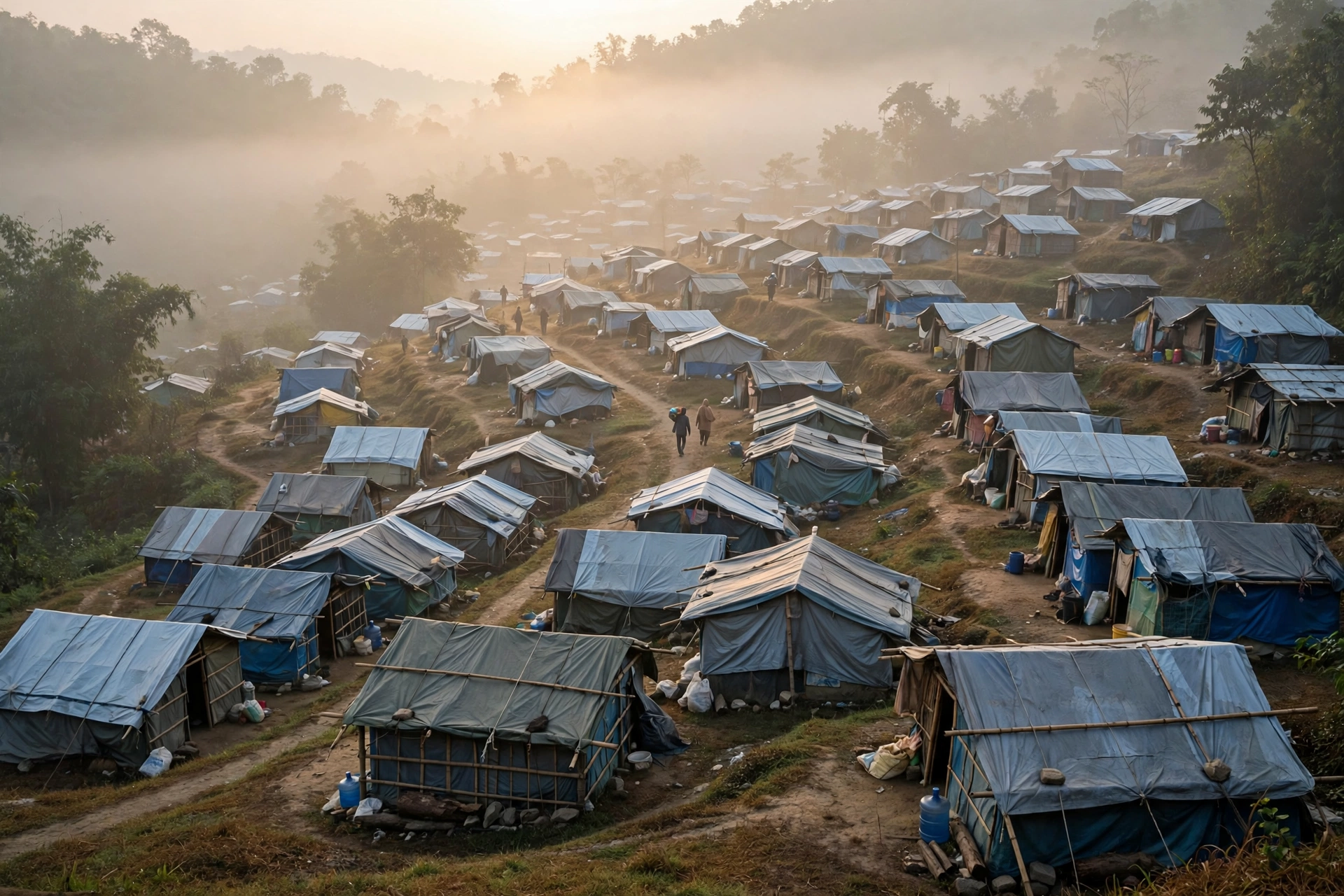
The Rohingya are a Muslim minority who have faced decades of discrimination in Myanmar, including a 1982 citizenship law that excluded them from the country’s list of recognised ethnic groups. Hundreds of thousands fled in 2017, when the military launched “clearance operations” in northern Rakhine State that drove at least 730,000 people across the border into Bangladesh, where about 1.2 million now live in the Cox’s Bazar settlement, the world’s largest refugee camp.
For those still in Malaysia, the December plan raises a stark question: are they returning home, or being sent back to a country still at war, ruled by the same military the world court has just found responsible for genocide?
Five Days After the Genocide Verdict

The timing is what makes this announcement so charged. On Thursday, November 19, the International Court of Justice ruled that Myanmar committed genocide against the Rohingya during its 2017 crackdown — the first time in the court’s 80-year history that it has held a state responsible for genocide. By nine votes to six, the 15-judge court found that Myanmar’s security forces killed around 10,000 Rohingya, committed widespread sexual violence and acted with the intent to destroy a substantial part of the group.
The case was brought by The Gambia in 2019 under the Genocide Convention. The court ordered Myanmar to pay compensation to the Rohingya, investigate those suspected of the crimes, and allow the safe, voluntary and dignified return of displaced people. Myanmar’s government has dismissed the ruling as unfair.
Anwar told Parliament that Malaysia respected the judgment, but said it would not stop the government engaging with Myanmar’s leadership to facilitate returns. That position — accepting the court’s finding while continuing to deal with the generals it condemned — is the heart of the controversy.
Rights Groups Say Returns Must Stop
The criticism was swift. Amnesty International Malaysia said on Tuesday that refugee returns “cannot take precedence over accountability for genocide.” Its executive director, Joshua Ericsson, said the prime minister was “doubling down” on returning people to the very country where the crimes took place, just days after the court confirmed what survivors had been saying for years.
“Accelerating returns is not only deeply irresponsible, it is profoundly inhumane,” Ericsson said, noting that Malaysia is itself a party to the 1948 Genocide Convention and should be building a credible asylum system rather than making returns the centrepiece of its approach.
Malaysia’s own Human Rights Commission, SUHAKAM, had already called on November 21 for repatriations of Myanmar refugees and asylum seekers to be suspended immediately, arguing that returns should not proceed until safety conditions can be independently verified, with individual risk assessments and greater involvement from the UN refugee agency.
The UN refugee agency, UNHCR, raised similar concerns in September, after the first group of 1,476 people was sent back. It said people returned to Myanmar could face serious risks in an ongoing civil war, and questioned whether decisions made by people held in immigration detention — without access for UNHCR staff to assess them — could genuinely be called voluntary. “We are concerned by these returns at a time when people sent back to Myanmar may face serious risks, and some within the group may be in need of international protection,” said Edem Wosornu, the agency’s Assistant High Commissioner for Protection. The agency stressed that no one should be returned to a country where they may face persecution, torture or other serious threats to their life and freedom.
Why Malaysia Says It Cannot Wait
From Kuala Lumpur’s point of view, the issue is also about numbers and patience running out. Malaysia has hosted Myanmar refugees for years, and Anwar said efforts to resettle them in third countries had been unsuccessful. The government argues that engagement with Myanmar’s military leadership — however unpalatable — is the only practical route to moving people home, and points to its monitoring of earlier returnees as evidence the process is working.
Anwar also said Malaysia remained committed to the Association of Southeast Asian Nations’ peace plan for ending the violence in Myanmar, which has been in crisis since the military seized power from the elected government of Aung San Suu Kyi in 2021. The coup plunged large parts of the country into conflict, and the regional bloc has renewed pressure on Myanmar for failing to implement its peace initiative, restricting the country’s top leaders from major regional summits.
The tension is clear: Malaysia wants the refugee question settled, the world court wants accountability first, and the people caught between them are being sent back to a country where the war that drove them out is still being fought. Bangladesh, which shelters more than a million Rohingya refugees has pressed for years for any return to be safe, voluntary and dignified — the same standard the court itself ordered Myanmar to meet.
What Happens Next
The first test comes on December 6, when the three naval vessels are due to sail. Rights groups and the UN will be watching whether the returnees are genuinely travelling voluntarily, whether independent monitors get access to them, and what happens to them once they arrive in Myanmar.
The wider question is whether the world court’s genocide ruling changes anything in practice. The judgment is final and binding, but the court has no police force and no way to enforce it. Malaysia’s decision to press ahead with returns five days after the verdict is an early, uncomfortable answer to that question — and a signal that, for governments managing refugee populations, the politics of return may move faster than the machinery of international justice.
Sources
- Associated Press, via DailyFoxNews: Malaysia to repatriate 6,803 Myanmar nationals despite court’s genocide ruling — https://dailyfoxnews.com/news/15436/malaysia-to-repatriate-6-803-myanmar-nationals-despite-court-s-genocide-ruling
- Amnesty International Malaysia: Malaysia: Refugee returns cannot take precedence over accountability for genocide — https://www.amnesty.my/2026/11/24/refugee-returns-cannot-take-precedence-over-accountability-for-genocide/
- UN News: Malaysia: UN agency urges safeguards after refugees returned to Myanmar — https://news.un.org/en/story/2026/09/1168491
Frequently Asked Questions
How many people is Malaysia sending back to Myanmar in December?
A total of 6,803 Myanmar nationals: 1,500 aboard three Myanmar naval vessels on December 6 and 7, and 5,303 by air during the rest of the month, with Myanmar covering the costs.
How many Myanmar nationals has Malaysia already repatriated this year?
Prime Minister Anwar Ibrahim said 10,476 had already been returned in 2026, including 1,476 aboard a Myanmar naval vessel on September 29.
Why is the timing controversial?
The announcement came five days after the International Court of Justice ruled on November 19 that Myanmar committed genocide against the Rohingya in 2017 — the first time the court has ever found a state responsible for genocide.
Are all of the people being returned Rohingya?
Not necessarily. The government has not said how many of the 6,803 are Rohingya. The plan covers Myanmar nationals generally, including members of other ethnic minorities.
What do rights groups say?
Amnesty International Malaysia called the plan “deeply irresponsible” and “profoundly inhumane,” and Malaysia’s Human Rights Commission SUHAKAM called for repatriations to be suspended until safety can be independently verified. UNHCR has warned that returns must be genuinely voluntary and that no one should be sent back to face persecution or serious harm.