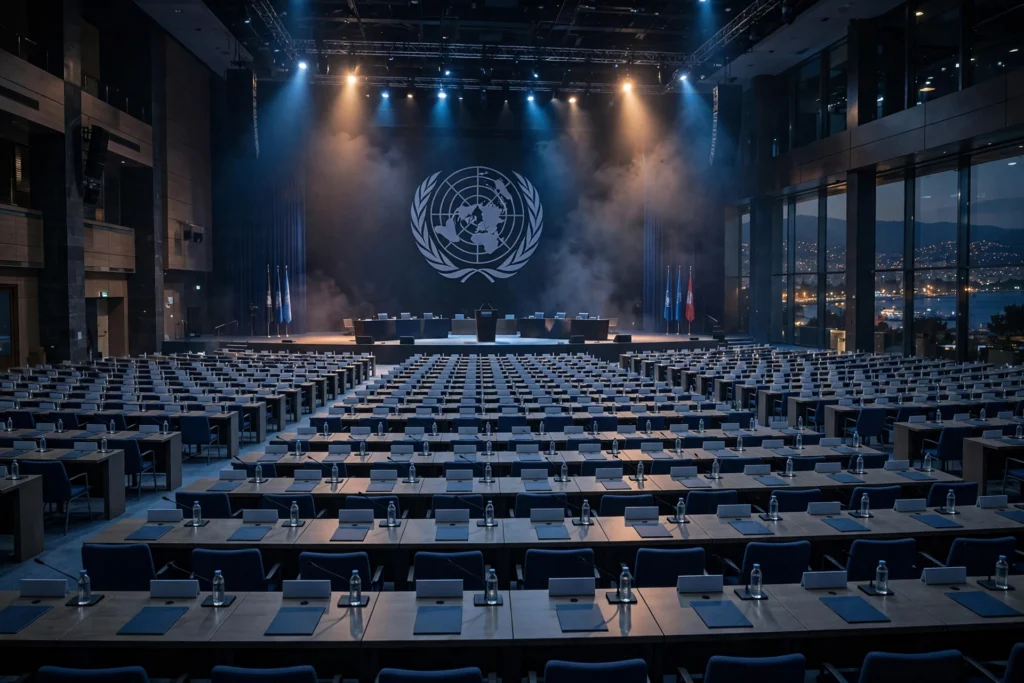
The world’s biggest climate summit has collapsed. After more than two weeks of negotiations in Antalya, Turkey, the COP31 conference ended on Sunday without any overarching agreement — the longest climate talks in history, and the first time the annual summit has failed to produce a deal since Copenhagen in 2009.
The breaking point was the very cause of climate change itself: fossil fuels. The final draft of the so-called Antalya Pact did not mention oil, gas or coal at all, and the European Union and the countries most vulnerable to climate change refused to sign it.
The Longest COP in History Ends in Failure
The talks ran more than 50 hours into overtime before they finally broke down on Sunday night. At the closing plenary, COP31 president Murat Kurum acknowledged there was no way to force the deal through. “We have done our utmost,” he told delegates, “but it is clear that there are parties in this hall who oppose this text. We recognize that there is no consensus on this document.”
Kurum was absent when the failure was formally announced, leaving Elchin Allahverdiyev of Azerbaijan to deliver the news to the hall. Chris Bowen, Australia’s climate minister and the conference’s president of negotiations, called the outcome “very disappointing” — a verdict echoed by UN Secretary-General Antonio Guterres, who said he was “deeply disappointed that COP31 has ended without consensus on an overarching outcome.”
The collapse caps a fortnight that began with modest expectations. No major decisions were on the official agenda, but co-hosts Turkey and Australia had pushed for a framework decision to tackle the energy crisis, attacks on climate science, and the failure to hold global warming to 1.5 degrees Celsius. Instead, the talks became the longest COP ever held — and ended with nothing to show for it. The COP31 talks had already spilled into overtime days earlier, as fossil fuels vanished from the draft deal.
Two Words That Broke the Deal
In the end, the whole negotiation came down to two words: fossil fuels. The first draft of the conference’s cover decision, published on Monday, called for “the immediate transition away from fossil fuels in energy systems.” Every draft after that stripped out all mention of fossil fuels — despite a push by more than 100 countries to keep the language in.
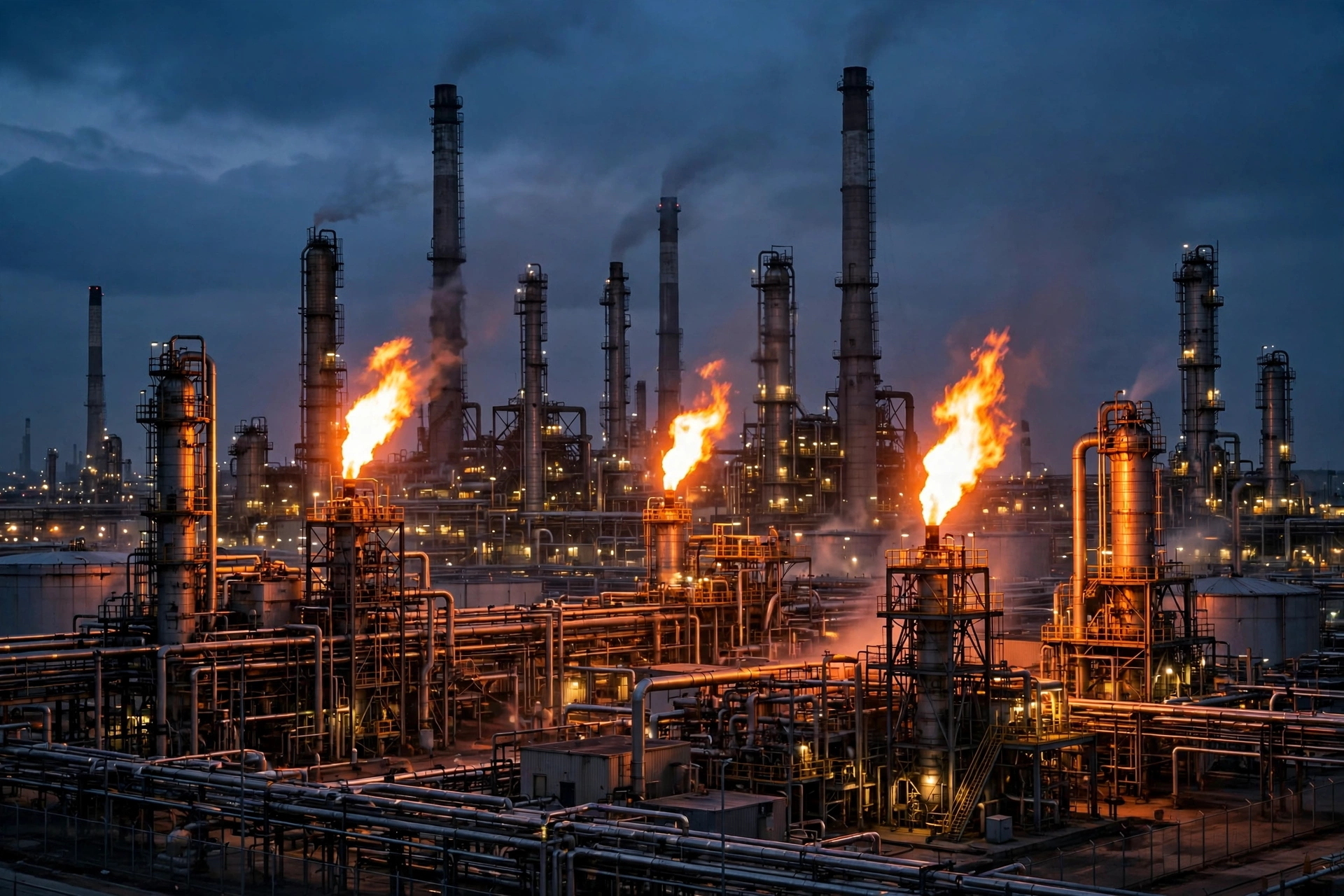
That was too much for the European Union, Panama, the Marshall Islands, Norway and a bloc of least developed countries, who rejected the final text in the plenary. Darragh O’Brien, Ireland’s climate minister, who helped lead negotiations for the EU, said the bloc would not endorse a deal “that does not even mention fossil fuels.” He later told Reuters: “This COP, I believe, was hijacked by some oil states.”
The text did have supporters — Russia, China and the Arab countries backed it. Russian delegate Sergei Kononuchenko said he could not agree “to any formulation on fossil fuel,” warning that if oil and gas supply “shrinks faster than demand, the result will be not a reduction of emissions, but deficit, price shock and a switch to dirtier types of fuel and energy poverty.”
The standoff is not new. At COP28 in Dubai in 2023, countries agreed to an unprecedented call to “transition away from fossil fuels.” Since then, that commitment has neither been repeated nor built upon, as oil-producing nations — led by Saudi Arabia — have blocked any reference to the driving force of the climate crisis. In Antalya, 130 countries argued for holding the course set in Dubai. They lost.
The Money Fight: Adaptation Finance Falls Short
Fossil fuels were not the only fault line. Money — who pays for climate damage, and how much — proved just as impossible to bridge.
Poorer, climate-vulnerable countries have long demanded more funding to adapt to disasters they did little to cause. The final draft called for efforts to at least triple adaptation finance by 2035, but it set no baseline and no specific numbers — a target developing nations dismissed as meaningless. Their estimated climate finance needs run to $5.1 trillion to $6.8 trillion through 2030.
“Rich countries refused to put money on the table to help communities prepare for and recover from climate disasters, and handed polluters a free pass instead,” said Harjeet Singh, a veteran COP negotiator. “No deal is better than a deal that locks in failure.”
The draft also leaned heavily on carbon capture technology, which would let fossil fuel production continue as long as its carbon pollution is captured before reaching the atmosphere. Scientists say the technology will be needed to some extent, but it remains expensive and unproven at scale — and critics call it a distraction from cutting emissions at the source. “Relying on carbon capture without phasing down fossil fuels is like trying to quit smoking without putting down the cigarettes,” said Matt Webb of the clean-energy think tank E3G.
A Summit Overshadowed by War and an Empty American Chair
COP31 did not happen in a vacuum. The talks unfolded while the Iran war was causing the world’s largest energy supply shock — and while the United States, the world’s second-biggest emitter, was absent entirely. Under President Donald Trump, Washington has pulled out of international climate action, and no American delegation sat at the table in Antalya.
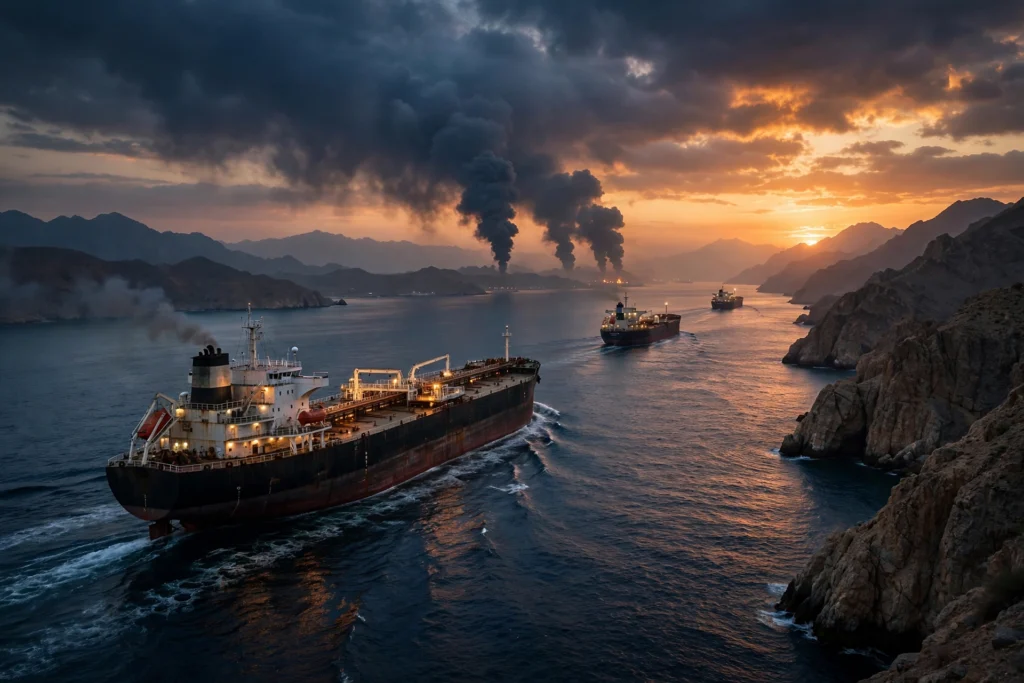
The contrast was stark. While diplomats struggled in Antalya, Donald Trump, Xi Jinping and Vladimir Putin met in Shenzhen, China, to agree to expand the production and supply of refined petroleum products. The fourth tanker hit by a mine in the Strait of Hormuz underlined how energy security, not climate ambition, is driving the world’s biggest powers right now.
Young people, meanwhile, are not waiting for summits to deliver. Gen Z protests have swept across Europe this year, with youth strikes hitting 25 countries under the banner “Money for Schools, Not War” — a reminder that the generation inheriting the climate crisis is losing patience with process.
What Was Saved — and What Happens Next
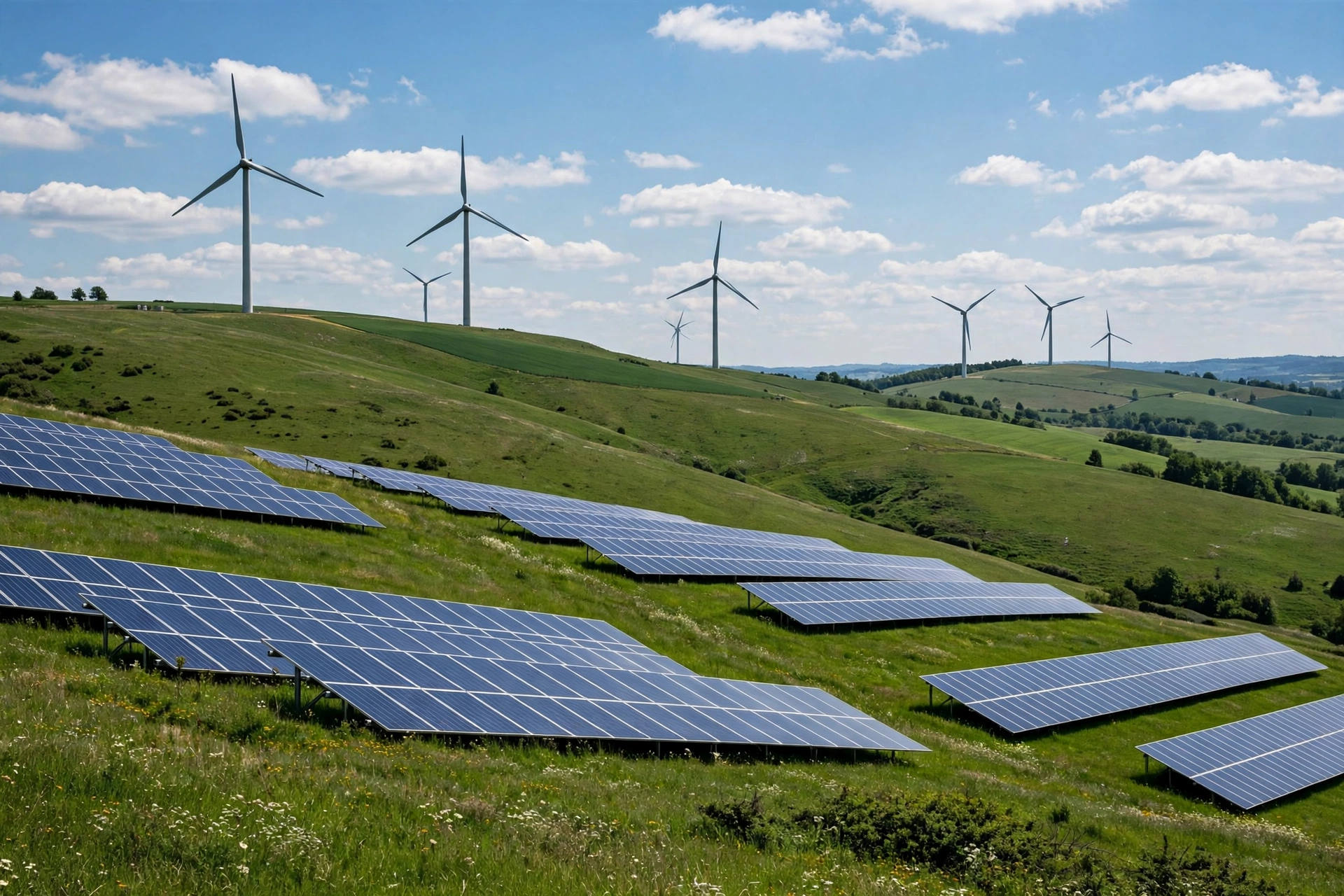
The failure was not total. Smaller issues did make progress during the two weeks, and more than 90 countries signed a pledge to ramp up the electrification of their economies — one of the few bright spots Bowen pointed to on Sunday. The summit also produced COP31’s pledge on sustainable AI, tackling the fast-growing energy appetite of artificial intelligence.
The question now is whether the collapse becomes a turning point or a precedent. Bowen said countries would “continue in our renewable transition and reconvene in Ethiopia next year” to try again. The European Union — which recently sealed a landmark trade deal with Indonesia — has signalled it would rather walk away from a weak deal than lock in a step backwards, a stance echoed by campaigners. Amnesty International said countries were “right to reject” what it called a “polluters’ charter designed to protect corporate profits.”
Why This Failure Matters
The stakes could hardly be higher. A recent UN report confirmed the world will overshoot its target of limiting global warming to 1.5 degrees Celsius above pre-industrial levels. On current policies, temperatures are expected to rise to a potentially catastrophic 2.8 degrees. The planet is already at around 1.4 degrees of warming — and the impacts are starkly clear, from catastrophic flooding in Nepal to deadly heat in Europe.
That is why the reaction to Antalya has been so bitter. Mohamed Adow of the think tank Power Shift Africa called it “the worst ever COP,” adding that “its collapse needs to be a wake up call for the world.” Britain’s lead negotiator Kate Hughes said the proposed deal “moves us backwards.” Former Irish president Mary Robinson said COP31 showed “a shameful lack of urgency and leadership.”
China, the world’s biggest polluter and also its clean energy superpower, called the outcome a “deep disappointment” — though its delegation head Li Gao insisted it should not “lead to a loss of confidence” in countries’ ability to work together.
Whether Antalya is remembered as a wake-up call or as the moment climate diplomacy broke will depend on what happens next. The world’s governments have a year before they meet again in Ethiopia. The climate, as the UN report makes plain, will not wait.
Frequently Asked Questions
What is COP31?
COP31 is the 31st annual United Nations climate change conference, held in Antalya, Turkey, in November 2026 and co-hosted by Turkey and Australia. Nearly 200 countries take part in the talks, which aim to coordinate the global response to climate change.
Why did COP31 collapse?
The talks ended without an overarching agreement because the final draft of the “Antalya Pact” contained no mention of fossil fuels. The European Union, Panama, the Marshall Islands, Norway and climate-vulnerable nations refused to endorse a deal that did not even name the main driver of global warming, and no consensus could be reached.
What happens to climate talks now?
Countries will reconvene at the next COP in Ethiopia next year. In the meantime, nations say they will continue their renewable energy transitions, and more than 90 countries have already signed a pledge to ramp up electrification of their economies.
Was anything agreed at COP31?
Yes — smaller issues made progress during the two weeks, and more than 90 countries signed an electrification pledge. But the main overarching agreement, known as the cover decision, was never adopted — the first such failure since Copenhagen in 2009.
How hot is the planet now?
The planet is at around 1.4 degrees Celsius of warming above pre-industrial levels. A recent UN report confirmed the world will overshoot the 1.5-degree target, and on current policies temperatures are expected to rise to 2.8 degrees — a potentially catastrophic level.
Sources
- CNN: Global climate summit collapses as countries fail to agree on moving away from fossil fuels
- Associated Press via Barchart: Why the failure to reach a major deal at UN climate talks matters as extreme weather worsens
- Le Monde: COP31: International community splits over phasing out fossil fuels and climate adaptation funding