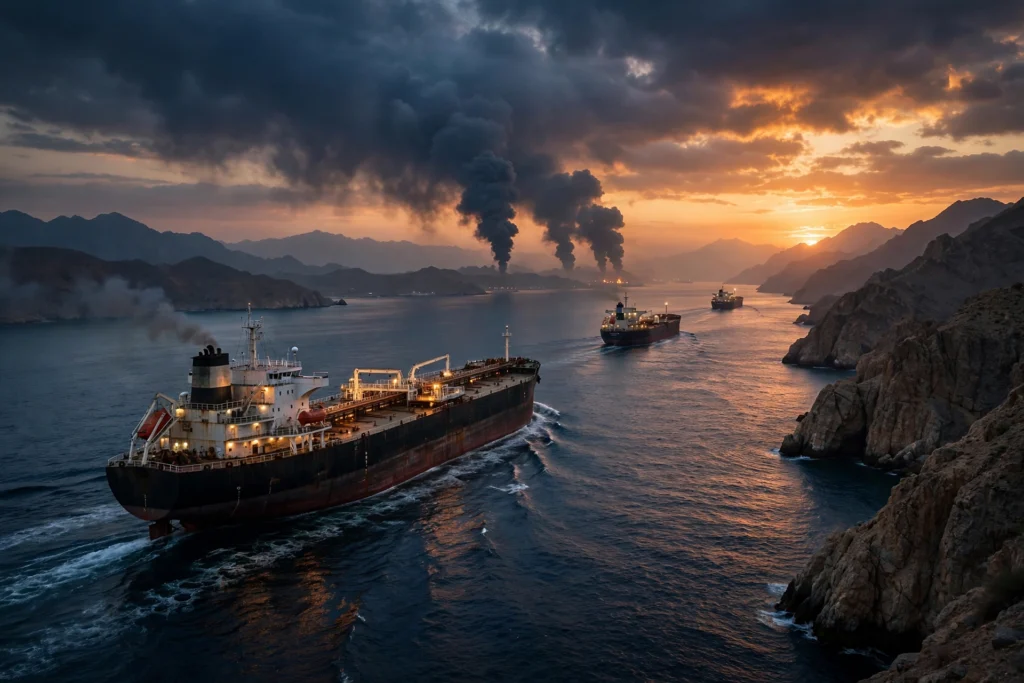
After nearly ten years of negotiations, the European Union and Indonesia have signed a landmark trade and investment deal that will scrap tariffs on up to 98.5% of goods traded between them. The agreements were signed in Brussels on Saturday, November 21, 2026, connecting the EU’s single market of 450 million people with Southeast Asia’s largest economy and the world’s fourth most populous country.
European Commission President Ursula von der Leyen hailed the moment as a deliberate statement in an era of rising protectionism. “At a time when others are closing their doors, we are keeping ours open,” she said. The deal is one of the most ambitious the EU has ever concluded in Asia — and it arrives at a moment when both sides are racing to diversify their trade away from an increasingly unpredictable global environment.
A Decade in the Making
Negotiations began in July 2016 and took more than nine years to complete. The substance of the deal was finally concluded on September 23, 2025, and the Council of the European Union authorised the signature and provisional application of the agreements on November 18, 2026.
The signing ceremony took place at the European Commission headquarters in Brussels. EU Trade Commissioner Maroš Šefčovič signed the Comprehensive Economic Partnership Agreement (CEPA) alongside Indonesian Trade Minister Budi Santoso, while Coordinating Minister for Economic Affairs Airlangga Hartarto signed the separate Investment Protection Agreement (IPA) with Šefčovič. Von der Leyen spoke by telephone with Indonesian President Prabowo Subianto to mark the occasion, and Prabowo is scheduled to visit Brussels on December 11 for further talks before both leaders travel to Miami for the G20 summit.
What the Deal Actually Does
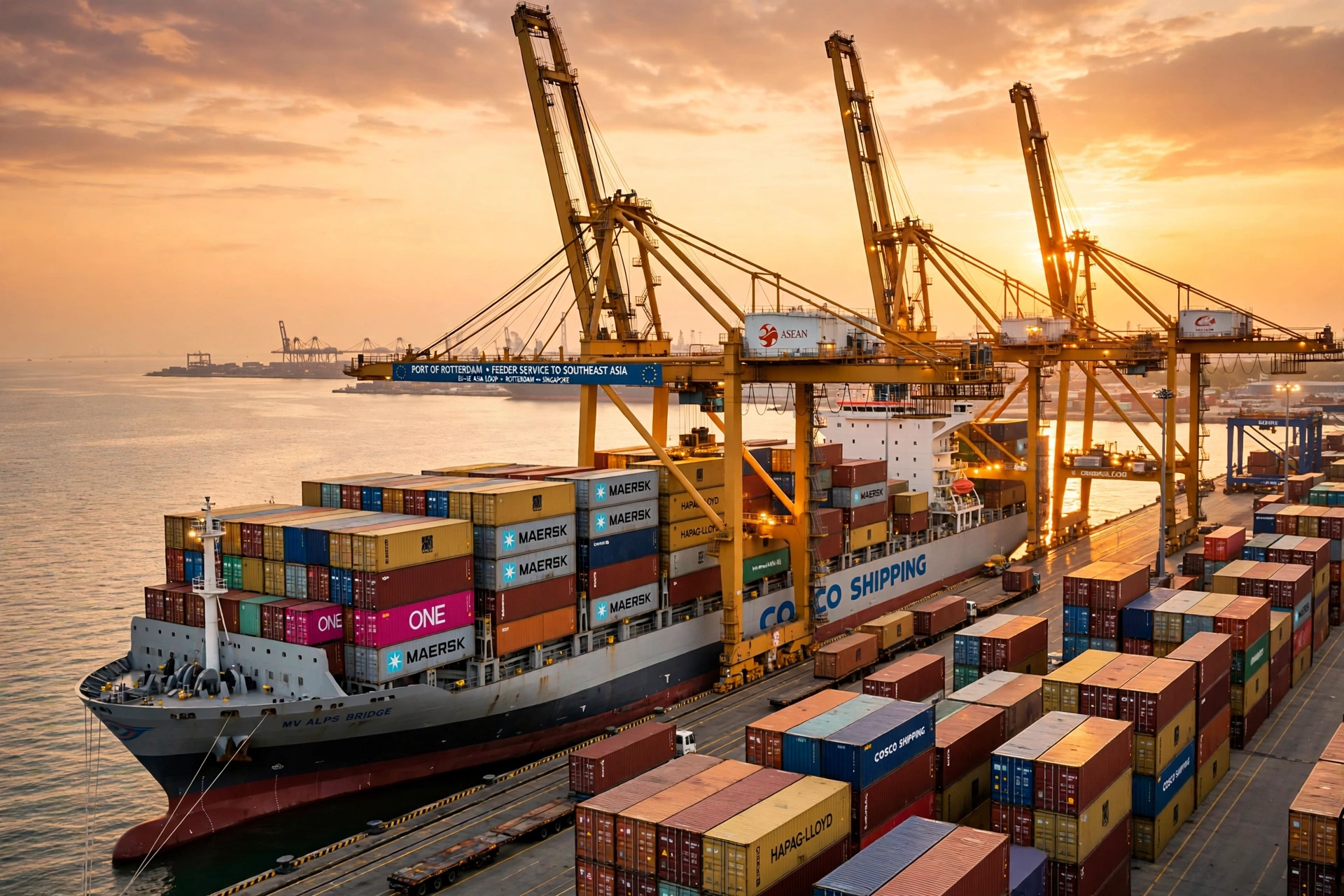
At its core, the CEPA progressively removes tariffs on the vast majority of goods traded between the two sides. Once fully implemented, up to 98.5% of tariff lines will be liberalised, with 96% of Indonesian tariffs set to disappear within five years. The European Commission estimates the deal will save EU exporters more than €600 million a year in customs duties, and that EU exports to Indonesia could rise by almost 40% over the next 15 years.
The benefits flow both ways. From the very first day the agreement applies, 90.4% of Indonesian product lines will enjoy zero tariffs entering Europe — including palm oil and its derivatives, garments, fabrics, footwear and leather goods. A further share of tariff lines will be phased out over three to 15 years or managed through tariff quotas.
Trade between the two partners is already substantial but, by both sides’ own admission, below its potential. Bilateral trade in goods reached €28.9 billion in 2025 — €10.2 billion in EU exports and €18.7 billion in imports from Indonesia — with trade in services worth a further €9.3 billion in 2024. The agreements are designed to unlock that untapped potential, opening new opportunities for European exporters in agri-food, automotive, textiles, footwear, chemicals, pharmaceuticals, machinery and electrical equipment, while giving Indonesian exporters — including labour-intensive industries and small businesses — far easier access to the European market.
The deal also reaches beyond goods. It facilitates trade in services, improves access to public procurement, strengthens intellectual property protection, and protects 221 EU geographical indications in Indonesia, safeguarding the reputation of iconic European products. Sensitive European agricultural sectors stay protected: rice, sugar and ethanol are excluded from tariff liberalisation, with limited tariff-rate quotas for other sensitive products.
Cars, Nickel and the Battery Race
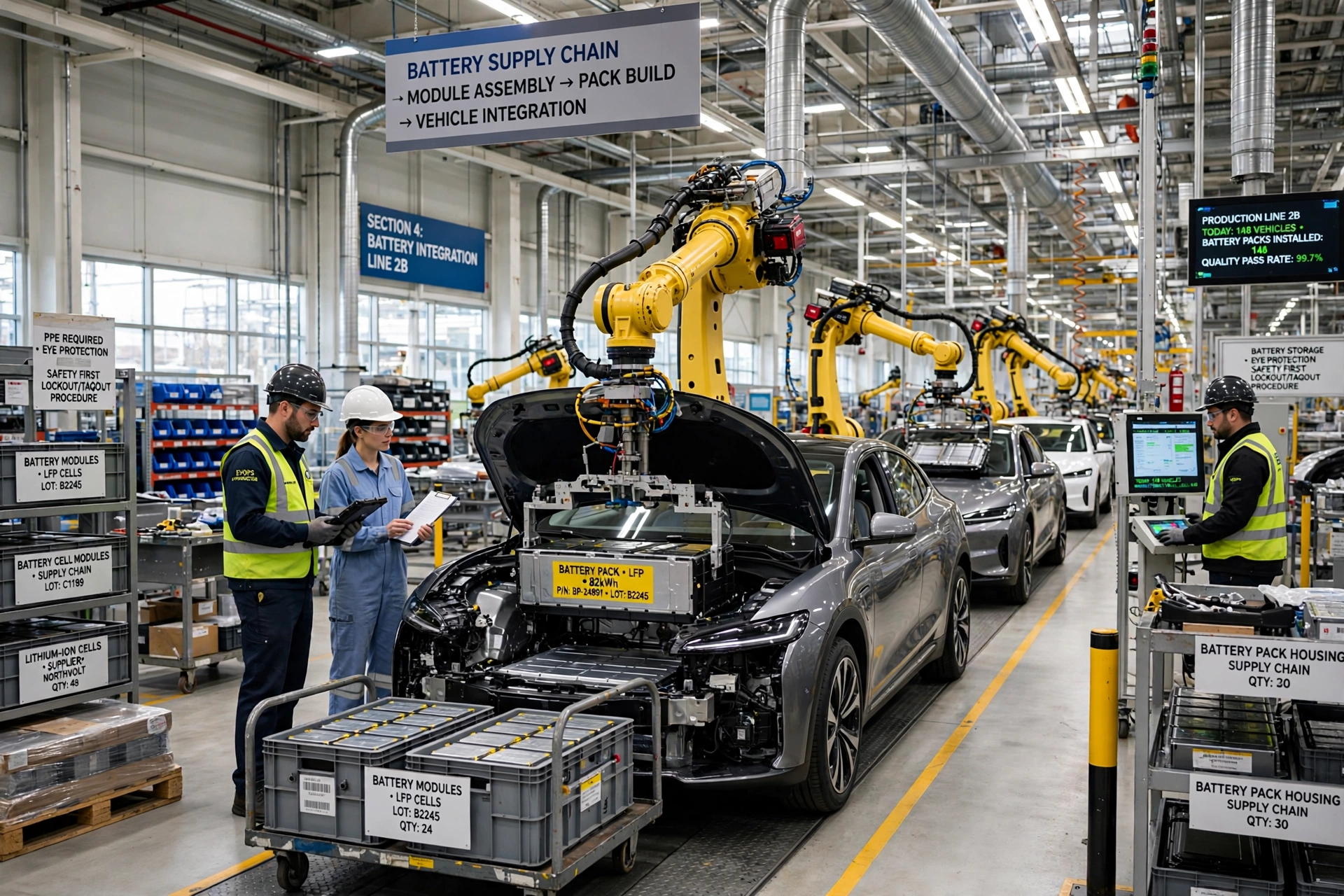
Two sectors illustrate why the deal matters strategically. European cars currently face Indonesian import duties of up to 50%; under the agreement, those tariffs will be phased out entirely within five years, opening one of the world’s largest car markets to European manufacturers and creating new investment opportunities in electric vehicles, electronics and pharmaceuticals.
Just as important is what lies under Indonesian soil. Indonesia is among the world’s leading producers of nickel and cobalt, the metals at the heart of battery manufacturing. The EU expects the agreement to secure better access to those critical raw materials, with a ban on export monopolies and rules against discriminatory pricing designed to make supply chains more reliable. The pact also establishes a framework for closer cooperation on energy and raw materials, as well as digital trade.
The agreement carries a sustainability chapter too, with commitments on climate, environmental protection and labour rights — and the Paris Agreement recognised as an essential element of the deal.
Why Now: Trump Tariffs and the Race to Diversify
The timing is no accident. The deal is part of a deliberate EU push to open new markets and reduce economic dependence at a time when the United States has turned to sweeping tariffs as a tool of trade policy. Indonesia itself felt that pressure directly: it faced a 32% US tariff in the initial announcements before negotiating it down to 19% in a separate agreement signed earlier this year.
Brussels has spent 2026 signing deals at a remarkable pace — agreements with Mercosur, India, Australia, Mexico and the Philippines now sit alongside the Indonesian pact, bringing the EU’s network to 45 trade agreements with 80 partners worldwide. The pattern is consistent: deepen ties with like-minded partners while Washington’s trade policy grows more confrontational. Washington has been cutting bilateral deals of its own, including Washington’s own trade deal with New Delhi. Even in the United States, the tariff push has met resistance at home, where US courts have pushed back on sweeping tariffs and the baseline 10% tariff on imports has reshaped the cost of doing business — a backdrop that also fed into Friday’s global market sell-off.
The EU–Indonesia deal also echoes the bloc’s own recent diplomacy closer to home, following the UK and EU’s own landmark reset deal earlier this year, which reopened cooperation on food trade, youth mobility and carbon markets. Taken together, the deals sketch a clear European strategy: build a wider web of open trading relationships so that no single partner can dictate terms.
Irish Foreign Minister Helen McEntee, whose country holds the Council presidency, put it plainly: “At a time of economic uncertainty, this is a clear signal that the EU remains committed to open markets, sustainable growth and strong international partnerships that deliver real benefits for businesses, workers and consumers.”
What Happens Next
The signing is not the finish line. The agreements must still be formally concluded, which requires the consent of the European Parliament, while Indonesia carries out its own ratification through its House of Representatives. Both sides are pushing to complete those steps quickly so the deals can apply provisionally from early 2027 — and, in the Commission’s hope, from January 1, 2027.
That date matters. On January 1, 2027, Indonesia graduates from the EU’s Generalised Scheme of Preferences, the programme that currently gives many Indonesian exports preferential tariffs. Without the new agreement in place, Indonesian exporters would face a sudden jump in duties. The provisional application is designed to prevent exactly that cliff edge.
If the timetable holds, the decade of talks will end where it matters most: in cheaper goods, steadier supply chains and a new anchor for Europe’s trade in the Indo-Pacific. Von der Leyen’s summary was blunt about the scale of it: “This is one of the most ambitious deals the European Union has concluded in Asia. It connects our Union of 450 million people with the largest economy in Southeast Asia, and the fourth most populous country in the world.”
Frequently Asked Questions
What did the EU and Indonesia sign?
Two agreements in Brussels on November 21, 2026: the Comprehensive Economic Partnership Agreement (CEPA), covering trade and market access, and the Investment Protection Agreement (IPA), which protects investors on both sides.
How much trade will become tariff-free?
Up to 98.5% of tariff lines will be liberalised once the deal is fully implemented, with 96% of Indonesian tariffs gone within five years. From day one, 90.4% of Indonesian product lines entering Europe will carry zero tariffs.
How much will the deal save businesses?
The European Commission estimates EU exporters will save more than €600 million a year in customs duties, and that EU exports to Indonesia could grow by almost 40% over 15 years.
When will the deal take effect?
The agreements still need the European Parliament’s consent and Indonesia’s ratification. Both sides aim for provisional application in early 2027, ideally from January 1, 2027 — the day Indonesia graduates from the EU’s Generalised Scheme of Preferences.
Why does the deal matter beyond trade?
It secures EU access to Indonesian nickel and cobalt for batteries, bans export monopolies on raw materials, and is part of a wider EU strategy to diversify trade as US tariff policy grows more protectionist.
Sources
- Asia Daily: EU and Indonesia Sign Landmark Trade and Investment Agreement — https://asiadaily.org/news/19466/
- FurtherAsia: Indonesia EU CEPA signs in Brussels on 21 November — https://furtherasia.com/indonesia-eu-cepa-signs-in-brussels-on-21-november/
- 2eu.brussels: EU and Indonesia sign trade agreement to remove duties on 98.5% of Indonesian tariff lines — https://2eu.brussels/en/news/eu-and-indonesia-sign-trade-and-investment-agreements-covering-98-5-of-tariff-lines-with-approval-procedures-still-ahead