Six months after it was declared, the Ebola outbreak in the Democratic Republic of Congo has grown into the second-largest Ebola epidemic ever recorded — and it is still spreading. More than 11,500 people have now been infected and more than 5,600 have died, according to the World Health Organization, in a crisis where children are suffering most and armed violence is undermining the very response meant to stop it.
The outbreak, caused by the rare Bundibugyo species of Ebola virus, was declared on May 15, 2026. It is the DRC’s 17th documented Ebola emergency — and by far its worst.
The Outbreak in Numbers
The scale of the epidemic is now clear from the WHO’s latest figures, which put confirmed cases at 11,504 and confirmed deaths at 5,630 as of November 16, 2026. That is a case fatality rate of roughly 49 percent: about one in every two people confirmed infected has died. A further 3,083 people have recovered.
The outbreak has more than doubled in just three months. Between 400 and 500 new cases are still being reported every week, and the virus has now reached 67 health zones across eight provinces. The two hardest-hit provinces are Ituri, with 7,858 cases and 3,715 deaths, and North Kivu, with 2,860 cases and 1,590 deaths.
The toll has already passed the DRC’s previous largest outbreak, in 2018–2020, which ended with 3,481 cases and 2,299 deaths. Only the 2014–2016 West Africa epidemic, which infected more than 28,600 people and killed over 11,000, was larger. A Reuters analysis found the virus is spreading and killing at roughly twice the rate seen in the first six months of that West African epidemic.
The outbreak is not confined to Congo. Kenya has reported nine confirmed cases, including two deaths, all linked to a single cluster, though health officials say all identified contacts there have completed monitoring.
Children Are Paying the Heaviest Price
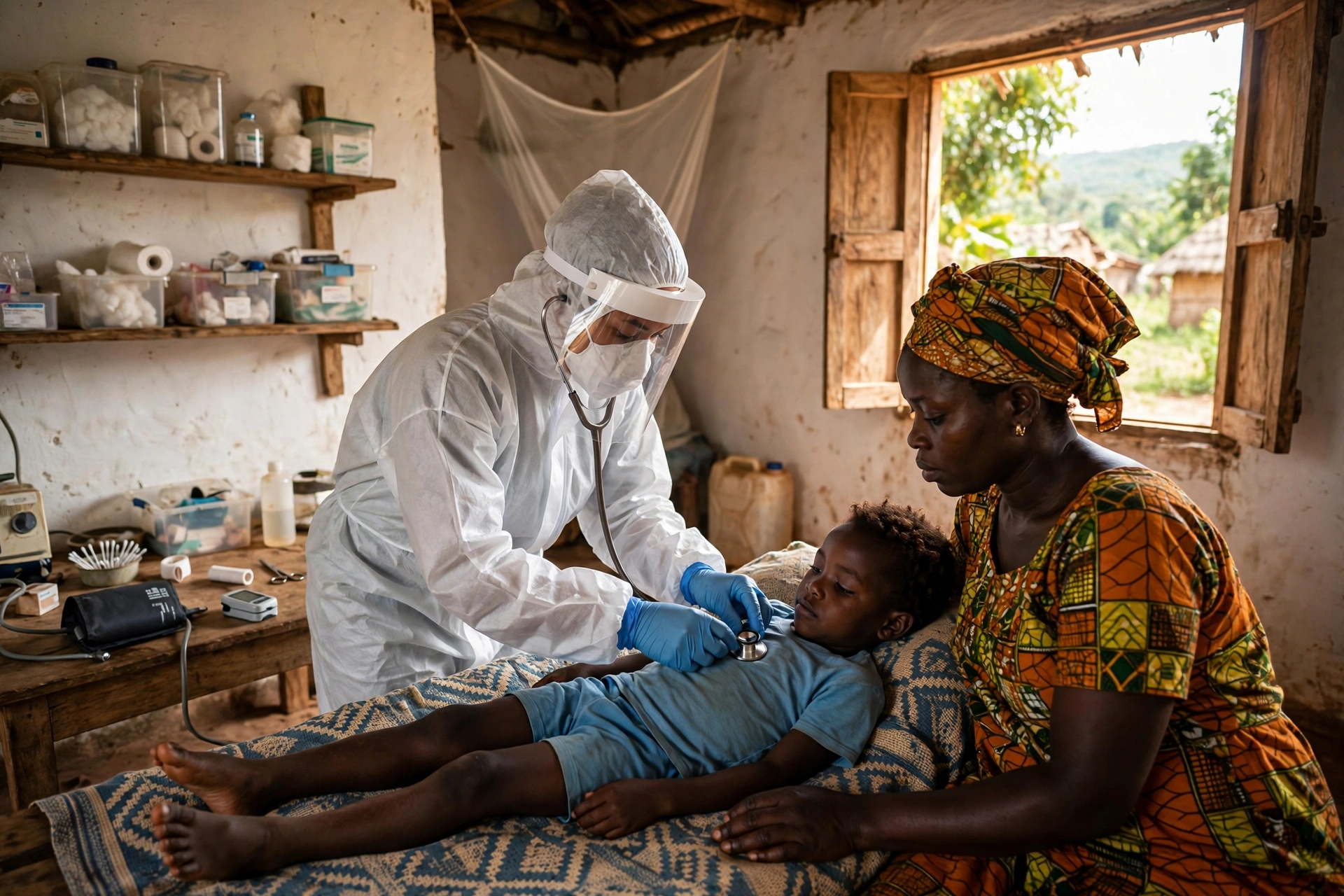
Behind the numbers is a devastating toll on the youngest. Children account for more than a quarter of confirmed cases and around a third of deaths. Opening the third meeting of the WHO’s Emergency Committee on the epidemic on November 17, Director-General Dr. Tedros Adhanom Ghebreyesus said children were “paying a terrible price” — seven in ten children under five with confirmed Ebola have died.
The reasons are painfully practical. Two-thirds of confirmed deaths occur outside Ebola treatment centres, a sign that infections are being identified too late. In remote rural communities, families often reach care only when it is already too late, and children — who dehydrate faster and whose symptoms can be mistaken for malaria or other common illnesses — are the most vulnerable of all.
Health workers are trying to bring treatment closer to hard-to-reach communities, but insecurity and poor access remain major obstacles. The same week the WHO briefed member states, the agency warned that more than 1,000 contacts had been lost to follow-up and three confirmed cases were unaccounted for — gaps that allow the virus to keep moving unseen.
A Virus With No Approved Vaccine
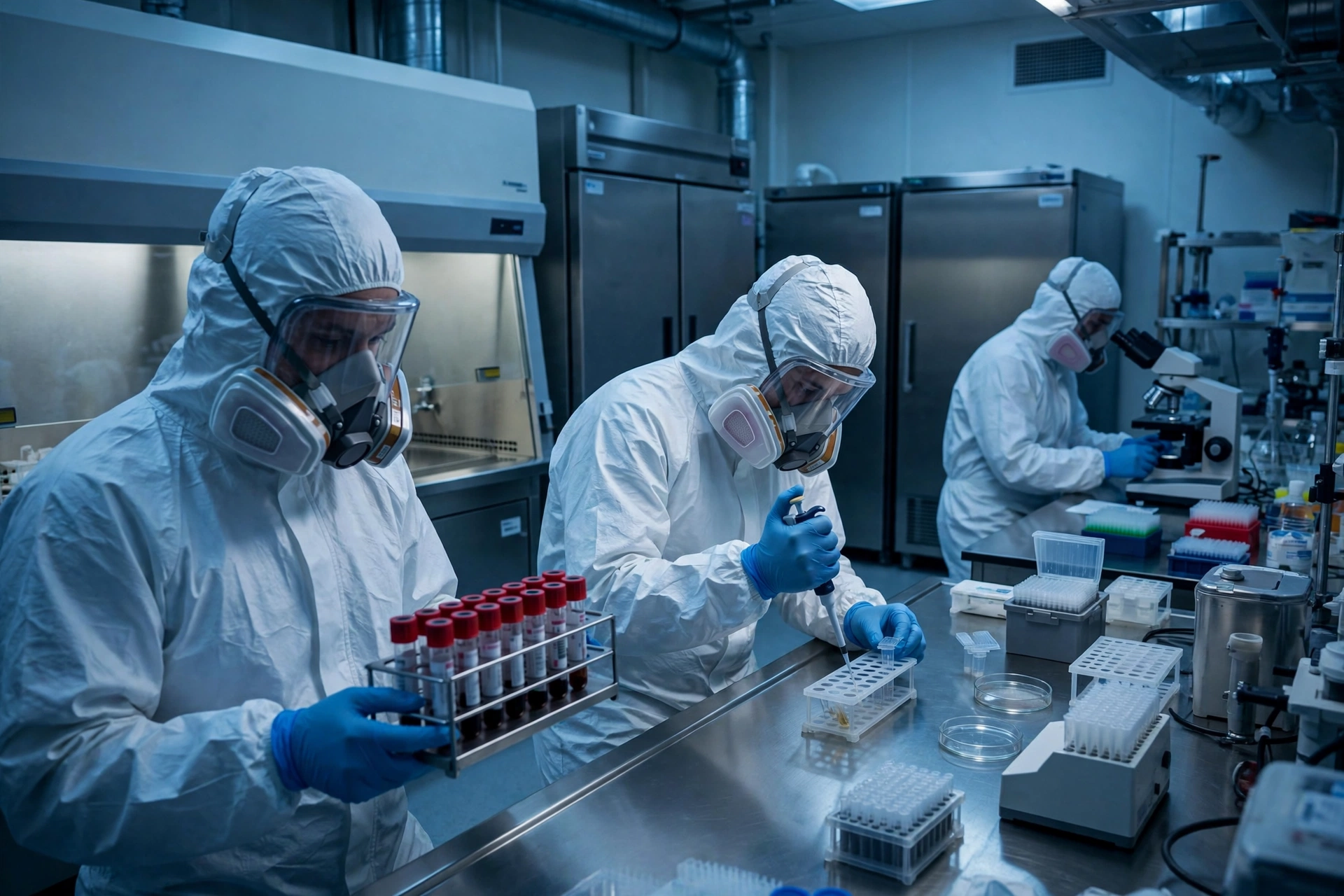
Part of what makes this outbreak so hard to fight is the virus itself. The Bundibugyo virus is a distinct species of Ebola for which no licensed vaccine or specific treatment has yet been approved. That leaves doctors relying on supportive care — fluids, oxygen and treatment of symptoms — while the search for medical countermeasures races to catch up.
There are glimmers of progress. A trial using the Ervebo vaccine began last month, and WHO expert groups have recommended adding two vaccine candidates developed specifically against Bundibugyo virus. A Phase 2/3 platform study called the Tumaini trial, launched in the DRC in October 2026, is now evaluating three candidate products. None, however, is yet licensed, and for the families in Ituri and North Kivu, that help cannot come fast enough.
The WHO has advised against restrictions on travel to or trade with affected countries, arguing that such measures do more harm than good. The outbreak remains a public health emergency of international concern, the WHO’s highest alert level.
Violence Is Killing the Response
If the virus is one enemy, armed conflict is another — and in parts of eastern Congo, it is the deadlier one. During an attack on the town of Cantine-Aloya last week, 66 civilians were killed, including three health workers, and three health facilities were looted and burned. The UN’s senior Ebola coordinator, Julien Harneis, warned that violence by the Allied Democratic Forces, an armed group active in eastern DRC, is now killing more people in parts of Ituri and the Kivu provinces than Ebola itself.
Attacks on health workers and facilities do more than take lives. They shut down clinics, scatter contact tracers, and frighten communities away from seeking care — exactly the conditions in which Ebola thrives. Each attack creates new blind spots in surveillance, and each blind spot gives the virus room to spread. Meanwhile, Xi Jinping and Vladimir Putin met in Shenzhen ahead of a trilateral summit with Donald Trump.
It is a grim contrast with other crises unfolding at the same time. While the United States lost its measles-free status after 26 years as cases surged past 5,400, and while the United States sank five Iranian oil tankers in a widening Gulf confrontation and Ukraine’s strike on the Kerch Bridge cut a key Russian supply route, the Ebola response in Congo is being fought with far fewer resources and under fire.
The Funding Gap
Money, too, is falling short. Around $2.9 billion has been pledged for the Ebola response, but less than half of the committed funding has actually been disbursed, according to figures cited by Reuters from the Africa Centres for Disease Control and Prevention. Africa CDC has warned that attacks, unpaid health workers and supply shortages are slowing the response despite the pledges.
The Government of the DRC has updated its national response plan through January 2027, and the WHO is working with the government and partners including Africa CDC to strengthen every part of the response, from surveillance and vaccination trials to bringing care closer to affected communities. There are encouraging signs that transmission is slowing in some early epicentres — but new hotspots continue to emerge, and the outbreak is still expanding in other areas.
What Happens Next
The coming weeks will decide whether this outbreak peaks or pushes further toward the grim record set in West Africa a decade ago. Health officials will be watching three things: whether the weekly case count of 400 to 500 finally begins to fall, whether the vaccine trials deliver a usable tool against Bundibugyo virus, and whether the violence in eastern Congo eases enough to let health workers do their jobs safely.
For now, the numbers tell their own story. More than 11,500 cases. More than 5,600 deaths. And a generation of children in eastern Congo paying the heaviest price of all.
Frequently Asked Questions
How many Ebola cases are there in Congo?
As of November 16, 2026, the WHO reports 11,504 confirmed cases and 5,630 confirmed deaths in the Democratic Republic of Congo, with 3,083 recoveries.
Which virus is causing the DRC Ebola outbreak?
The outbreak is caused by the Bundibugyo virus, a species of Ebola virus for which no licensed vaccine or specific treatment has yet been approved.
Why are children dying at such high rates?
Children account for more than a quarter of cases and a third of deaths; seven in ten children under five with confirmed Ebola have died, partly because infections are often identified too late and two-thirds of deaths occur outside treatment centres.
Is the outbreak spreading outside Congo?
Kenya has reported nine confirmed cases, including two deaths, all linked to one cluster. The WHO has advised against travel or trade restrictions on affected countries.
What is being done to stop it?
The DRC government has updated its national response plan through January 2027, the WHO and Africa CDC are supporting surveillance and care, and the Tumaini trial is testing three vaccine candidates against Bundibugyo virus.