The United States has officially lost its measles elimination status, a public health milestone it held for 26 years. The Pan American Health Organization (PAHO) announced the decision on Tuesday, November 17, 2026, confirming that measles is once again spreading continuously inside the country — and that the virus is now considered endemic in the United States.
It is a sharp reversal for a disease the US once declared beaten. The country achieved measles elimination in 2000, when health officials determined that homegrown transmission of the virus had been interrupted. That status survived for more than a quarter of a century. It did not survive 2026.
What Losing Measles Elimination Status Means
Measles elimination does not mean a country has zero cases. It means there has been no continuous, homegrown spread of the virus for at least 12 months, under surveillance strong enough to catch cases. A country loses the designation when transmission becomes re-established and continues uninterrupted for a year or longer.
That is what PAHO’s expert panel found. A panel of eight independent experts reviewed the evidence in Washington for PAHO, the World Health Organization’s regional office for the Americas, and concluded that the same measles strain had circulated continuously in the United States for more than 12 months. PAHO Director Jarbas Barbosa announced the decision on November 17, saying that “endemic measles transmission has restarted in Bolivia, Mexico and the United States.”
The decision had been expected for days. PAHO’s verification commission met in Washington from November 10 to 13 to assess evidence submitted by the US Centers for Disease Control and Prevention (CDC), and reports of the panel’s finding first surfaced late last week. The formal announcement makes it official — and it puts the United States on a list no country wants to join. Canada lost its own elimination status in November 2025, and the Americas as a region lost their measles elimination status a year ago.
The Numbers Behind the Decision
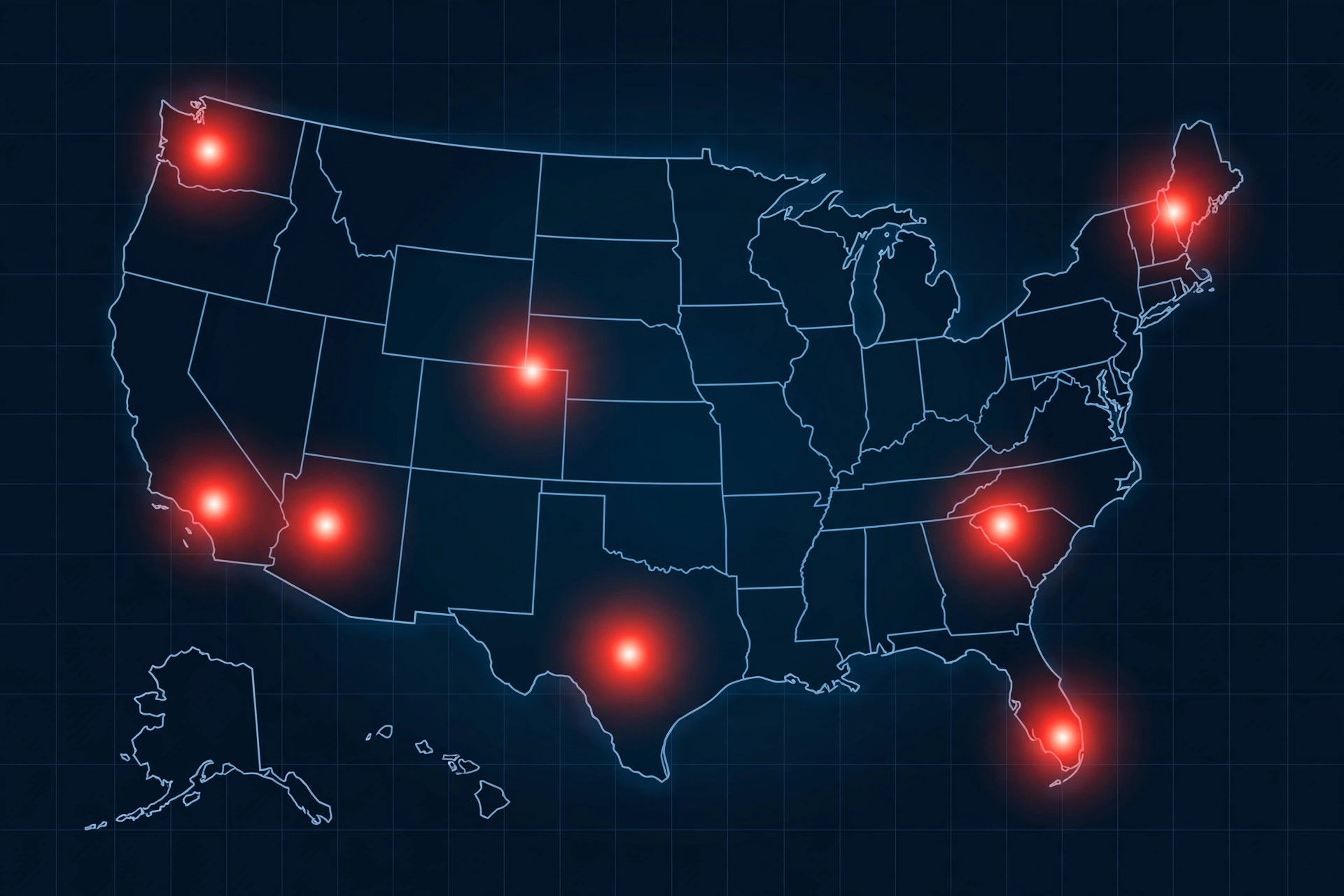
The CDC has recorded 5,412 confirmed measles cases in the United States in 2026, as of November 12. The scale of the resurgence is difficult to overstate:
- 5,412 cases across 45 states and the District of Columbia — the highest annual total since 1991, and more than double the 2,289 cases reported in all of 2025.
- About 96 percent of this year’s cases were in people who were unvaccinated or whose vaccination status was unknown.
- At least 10 deaths linked to measles have been reported by state health departments in 2026, along with more than 590 hospitalizations.
- Roughly 40 percent of cases have occurred in adults, a reminder that measles is not only a childhood disease.
- About 64 times the 85 cases the US recorded in 2000, the year it was declared measles-free.
Experts say the official count is most likely an undercount, because not every case is detected and reported. The CDC’s weekly update on November 13 put the total at 5,412, up 230 cases in a single week — the 14th straight week of a triple-digit increase.
How the Outbreak Unfolded
The current wave traces back to an outbreak that began in West Texas in January 2025. PAHO’s review covered measles cases across all US states and territories between January 2025 and January 2026 — meaning the decision was made on the basis of transmission that was already entrenched before this year’s even larger surge.
Measles is one of the most contagious viruses known. It spreads through the air when an infected person coughs or sneezes, and the virus can linger in the air for up to two hours. Before widespread vaccination, measles killed hundreds of American children every year and hospitalised tens of thousands. Two doses of the MMR vaccine are about 97 percent effective at preventing the disease, according to the CDC — which is why the current outbreak has concentrated so heavily among the unvaccinated.
Other respiratory illnesses are also circulating widely this season. Our report on the rise in walking pneumonia cases explains what to watch for as clinics see more patients with coughs and fevers.
What Happens Now
Countries that lose elimination status must submit a corrective action plan to PAHO outlining how they will regain it. The United States is expected to submit its plan in the coming weeks, according to PAHO’s director. To win the status back, the country must go 12 months without continuous spread of the virus.
CDC Director Dr. Erica Schwartz said on Tuesday that the agency knows where transmission is occurring and is working with state health departments to contain it. Health officials are urging anyone who is unsure of their vaccination status to check their records — and to get vaccinated if they are not protected. Adults born before 1957 are generally considered immune, while most others need two doses of MMR for full protection.
The strain on hospitals is real, and it comes as health systems are already under pressure. Technology is playing a growing role in easing that load — see how AI agents are now working inside hospitals, clicking through electronic health records and insurer portals.

Why This Matters Beyond the Numbers
Losing measles elimination status is more than a symbolic blow. It signals that the country’s vaccination shield — the high coverage that once stopped outbreaks in their tracks — has thinned enough for the virus to re-establish itself. The same pattern is playing out across the Americas: Bolivia and Mexico lost their status on the same day as the United States, and Canada lost its status last year.
Public health experts warn that the longer transmission continues, the harder it becomes to stop. Each new chain of infection creates fresh opportunities for the virus to reach infants too young to be vaccinated, people with weakened immune systems, and others who cannot safely receive the vaccine. Those groups depend on the immunity of everyone around them.
The encouraging news is that the tools to reverse course already exist. The MMR vaccine has been used safely for decades, and elimination was achieved once before — in 2000, after years of sustained vaccination campaigns. Regaining the status will take the same ingredients: high vaccination coverage, fast detection of new cases, and rapid response to every outbreak.
Frequently Asked Questions
Does losing measles elimination status mean measles is everywhere in the US?
No. It means the virus is spreading continuously in some parts of the country rather than being limited to isolated imported cases. Most Americans remain protected — the vast majority of people in the US are vaccinated against measles.
How do I know if I am protected against measles?
Two doses of the MMR vaccine provide about 97 percent protection, according to the CDC. Check your vaccination records or ask your doctor. If you are unsure, a blood test can confirm immunity, and vaccination is safe even if you were already immune.
How long will it take the US to regain measles elimination status?
The country must go at least 12 months without continuous transmission of the virus, and then submit evidence to PAHO’s verification commission. The US is expected to file a corrective action plan in the coming weeks.
Is measles dangerous for adults?
Yes. Roughly 40 percent of this year’s cases have been in adults. Measles can cause pneumonia, brain swelling, and death at any age, and it is especially dangerous for pregnant women, infants, and people with weakened immune systems.
More from our Global News desk: Forensic Expert Says Jeffrey Epstein Was Likely Murdered, Not Suicide — What the New Evidence Claims.
Sources: CDC — Measles; Pan American Health Organization; CNN — The United States’ measles elimination status is officially gone; Healthline — US Loses Measles Elimination Status After 26 Years