New York City Mayor Zohran Mamdani on Friday unveiled the city’s first comprehensive plan to close Rikers Island, the notorious jail complex in the East River, by 2032 — replacing it with four smaller, more modern borough-based jails and cutting the number of people held in city custody by more than a third.
The 75-page “Close Rikers: Strategic Plan” lays out the path to a jail system the administration says will be safer and more humane, with new facilities closer to courts, families and public transit, hundreds of therapeutic beds for people with serious mental health needs, and $146 million in new investment next fiscal year. But it also concedes what critics have long expected: the city will miss its legal deadline to close Rikers by five years, and it will need the City Council to change the law to make the new date stick.
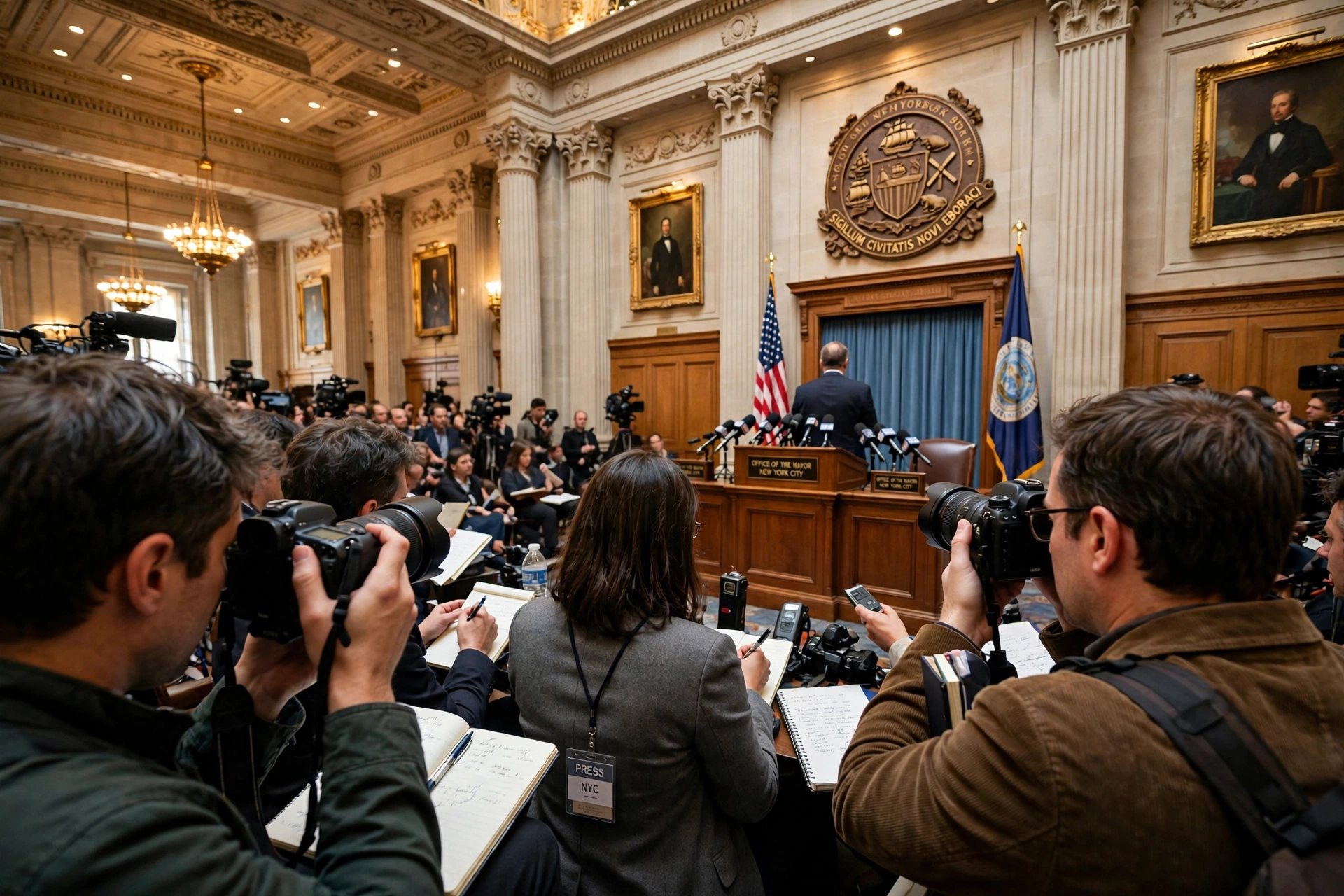
“It is time to finally close Rikers Island,” Mamdani said at a press conference at City Hall. “For decades, New Yorkers have demanded a correctional system that is safe and humane. This plan puts us on a path to deliver just that.”
What the Plan Promises
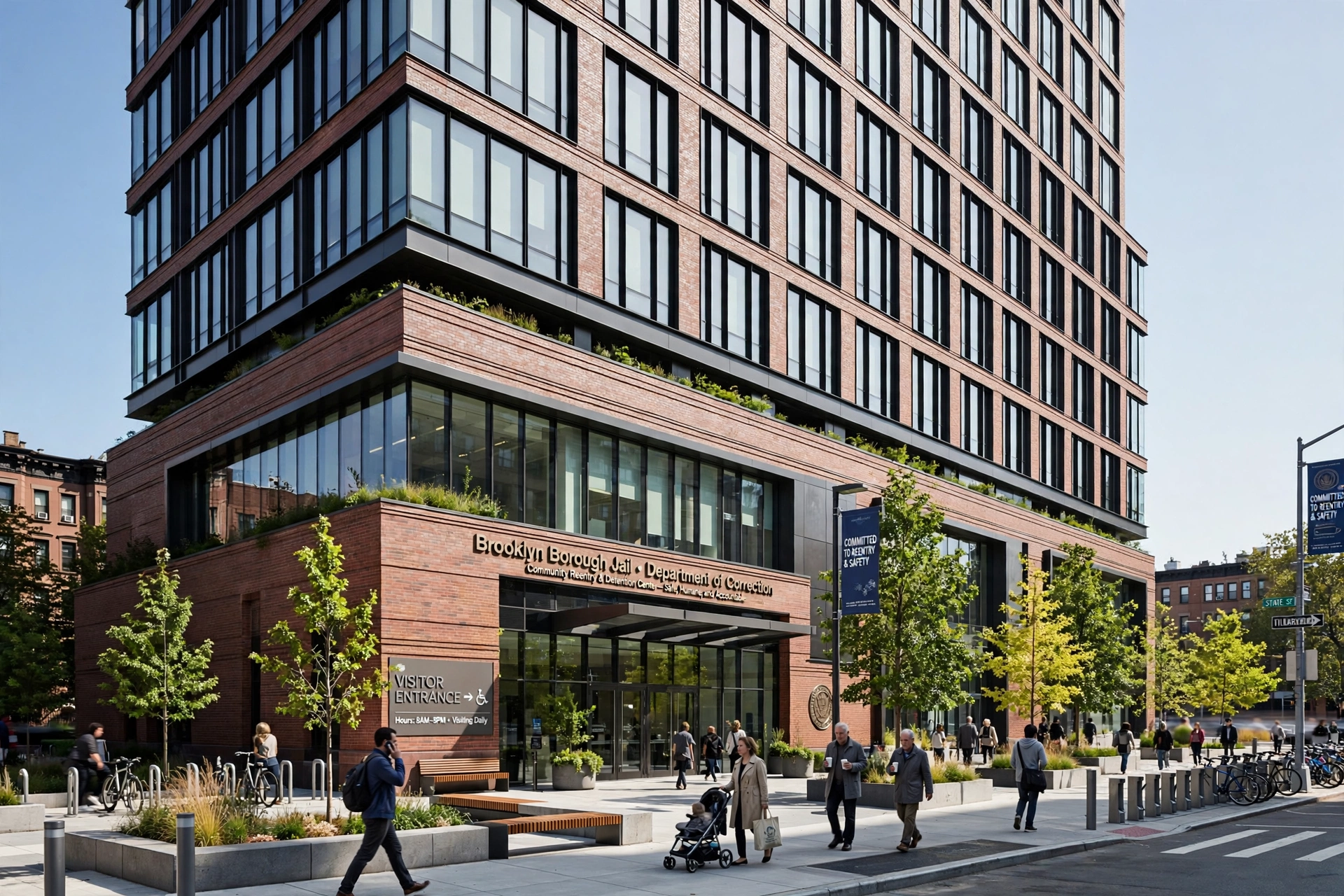
The centrepiece of the plan is four borough-based jails, opening on a staggered schedule: Brooklyn first in 2029, the Bronx and Queens in 2031, and Manhattan in 2032. Women in custody will be centralized at the Queens facility, close to Elmhurst Hospital, where women who need hospital-level care are treated.
Unlike Rikers, where a visit can take several hours and consume an entire day, the new jails will sit near public transportation, courthouses and the neighbourhoods where incarcerated New Yorkers live. Each facility will have smaller housing units with better sightlines for staff, individual cells, dedicated space for classes and vocational training, outdoor space for every unit, and at least 20,000 square feet of community space open to neighbourhood residents.
The plan also promises a steep cut in the jail population. Rikers currently holds about 6,600 people, most of them awaiting trial. Under the plan, that number would fall to 5,500 by the time the Brooklyn jail opens and to no more than 4,100 by the end of 2032, including no more than 220 women. The four new jails will hold roughly 4,500 beds between them, so the population cut is not optional — it is the arithmetic the whole plan depends on.
To get there, the city will invest $146 million next fiscal year: $50 million for vocational training, education, mental health counselling and substance use services inside the jails; $76 million for community-based re-entry and diversion services, including supportive housing and low-barrier stabilisation housing with on-site psychiatric care; and $16 million for support services for crime victims. The city will also create 236 additional therapeutic housing beds in hospitals in Brooklyn and the Bronx, bringing the total to 340 beds for people with serious mental illness or complex medical needs. Another 104 such beds have already opened at Bellevue Hospital.
The city will also restore its online bail payment portal, which has been unavailable since 2023. It is due back in 2027, so families can post bail without travelling to Rikers.
Why 2032 — and the Deadline the City Will Miss
The 2032 date is the plan’s most contentious element. The City Council passed a law in 2019 ordering Rikers closed and replaced with four borough jails, originally by the end of 2026. The deadline was extended once, to August 31, 2027, because of pandemic construction delays. Mamdani’s plan moves it five more years, and the Council will have to introduce legislation to make that legal.
Mamdani blamed his predecessor, former Mayor Eric Adams, who opposed federal oversight of the jails and resisted the borough-jail plan. “What will make this chapter different is our commitment to see it through, to chart a new path of public safety that endures, and to keep our promises where so many have been broken before,” the mayor said.
The delays have also been expensive. The borough jails are now expected to cost about $16 billion, up from an earlier estimate of roughly $8.7 billion, according to The New York Times. The original plan assumed all four jails would be open by the end of 2026; instead, the first will not open until 2029.
City Council Speaker Julie Menin, who supports the new timeline, said plainly that “delays under previous administrations have made it clear that more time is needed to fulfil the commitment the City Council made to New Yorkers in 2019.”
A Jail Under Federal Control
The plan arrives while Rikers is under extraordinary outside supervision. A federal judge last year took control of the jail away from city officials and handed it to an independent remediation manager, citing the city’s failure to fix conditions that led to dozens of deaths in custody over the past decade and thousands of use-of-force incidents each year. Mamdani said his plan was developed and will be carried out in consultation with that remediation manager.
Rikers has long been criticised for violent conditions that endanger staff and detainees alike, and for decaying infrastructure — broken pipes, rusting fixtures and unsafe conditions are commonplace, according to the city’s own announcement. Correction Commissioner Stanley Richards, who has said he was once an inmate at Rikers himself, called the plan a roadmap to a safer city. “The era of a justice system that is ‘out of sight, out of mind’ is coming to a long-overdue end,” he said.
The administration says it has already taken steps toward closure: opening the Bellevue therapeutic beds, reviving a stalled supportive housing project in the Bronx for formerly incarcerated people with complex medical needs, closing the North Infirmary Command on Rikers, and phasing out long-standing emergency orders in the jails.
What Happens to Rikers Island Itself
Closing the jails is only half the plan. The city is also beginning to plan what Rikers Island becomes afterwards, with the Department of Citywide Administrative Services leading a vision-planning process and the Rikers Island Advisory Committee reconvened to inform it. In the near term, the administration is exploring renewable energy and sustainability projects on the island.
As borough jails open, facilities on Rikers will close one by one, with unused land transferred out of the Correction Department’s control every six months. Progress reports will be posted publicly at closerikers.nyc.gov.
Reaction and What Happens Next
The plan drew support from the city’s five district attorneys, who issued a joint statement praising the mayor for taking on “this challenge,” and from Queens Borough President Donovan Richards Jr., who called Rikers “an inhumane hellhole” and a “modern-day example of Jim Crow” that must be closed as fast as possible.
The next step is legislative. The City Council will introduce a bill to update the legal timeline for ending incarceration on Rikers in line with the construction schedule — without it, the August 31, 2027 deadline remains the law. Supporters will also be watching whether the population cuts materialise: the plan depends on faster court processing, expanded diversion and supervised release, and new housing and job programmes to keep people out of jail in the first place.
The announcement comes in a week of sweeping political change in Washington, where Hakeem Jeffries is poised to become the first Black Speaker after Democrats won control of the House, and where Democrats’ 56-44 Senate majority is already reshaping debates — including the Senate’s 48-51 rejection of the Iran war powers resolution. For New York, though, the test is simpler and longer: whether a promise first made in 1979, legislated in 2019 and now re-promised for 2032 is finally kept.
Frequently Asked Questions
When will Rikers Island close?
Under Mayor Mamdani’s plan, Rikers Island will close by the end of 2032, when the last of four borough-based jails — in Manhattan — opens. The current legal deadline is August 31, 2027, so the City Council must pass legislation to extend it.
What will replace Rikers Island?
Four borough-based jails: Brooklyn in 2029, the Bronx and Queens in 2031, and Manhattan in 2032. The new facilities will be smaller, closer to courts and public transit, and include space for education, job training and community programmes.
How many people are held at Rikers Island now?
About 6,600 people, most awaiting trial. The plan aims to cut that to 5,500 by 2029 and no more than 4,100 by the end of 2032.
How much will closing Rikers cost?
The four borough jails are now estimated to cost about $16 billion, up from an earlier estimate of roughly $8.7 billion. The city will also invest $146 million next fiscal year in jail programming, community services and victim support.
More global news: the world court’s historic genocide verdict against Myanmar.
Sources
- the city’s official announcement from the Mayor’s Office of Criminal Justice
- Reuters reports on the plan to close Rikers Island by 2032
- USA Today on Mamdani closing Rikers Island by 2032
- the Associated Press on Mamdani’s plan to close Rikers Island