China is accelerating work on a comprehensive artificial intelligence law, and the scope it is describing is unusually broad. On November 3, 2026, Wang Ruomeng, a senior official at the National Development and Reform Commission (NDRC), China’s state economic planner, said Beijing would fast-track legislation governing how AI is developed and applied, covering the entire lifecycle of AI systems. The announcement, originally reported by Bloomberg, names DeepSeek, Moonshot and Alibaba Group among the domestic frontier developers in scope, and it arrives as governments everywhere wrestle with the same question: how do you keep increasingly powerful AI under meaningful control without stopping useful work altogether?
What was announced on November 3
The NDRC is China’s main economic planning agency, so a signal from it carries weight beyond a single regulator’s comment. According to reports of the November 3 briefing, Wang said Beijing would legislate on the building blocks of AI — data, computing power and algorithms — and set safety standards and ethical guidelines covering the full lifecycle of AI, from research and development through deployment and use. He framed AI safety as a shared problem, saying it is not a problem one company, industry or country can tackle alone. That framing matters, because it positions the law as governance rather than only restriction, and it follows a China-US AI agreement reached in September and AI discussions at the recent Trump-Xi summit in Washington. For background on the wider safety debate, see Bloomberg Law’s report on China’s broad AI guardrails.
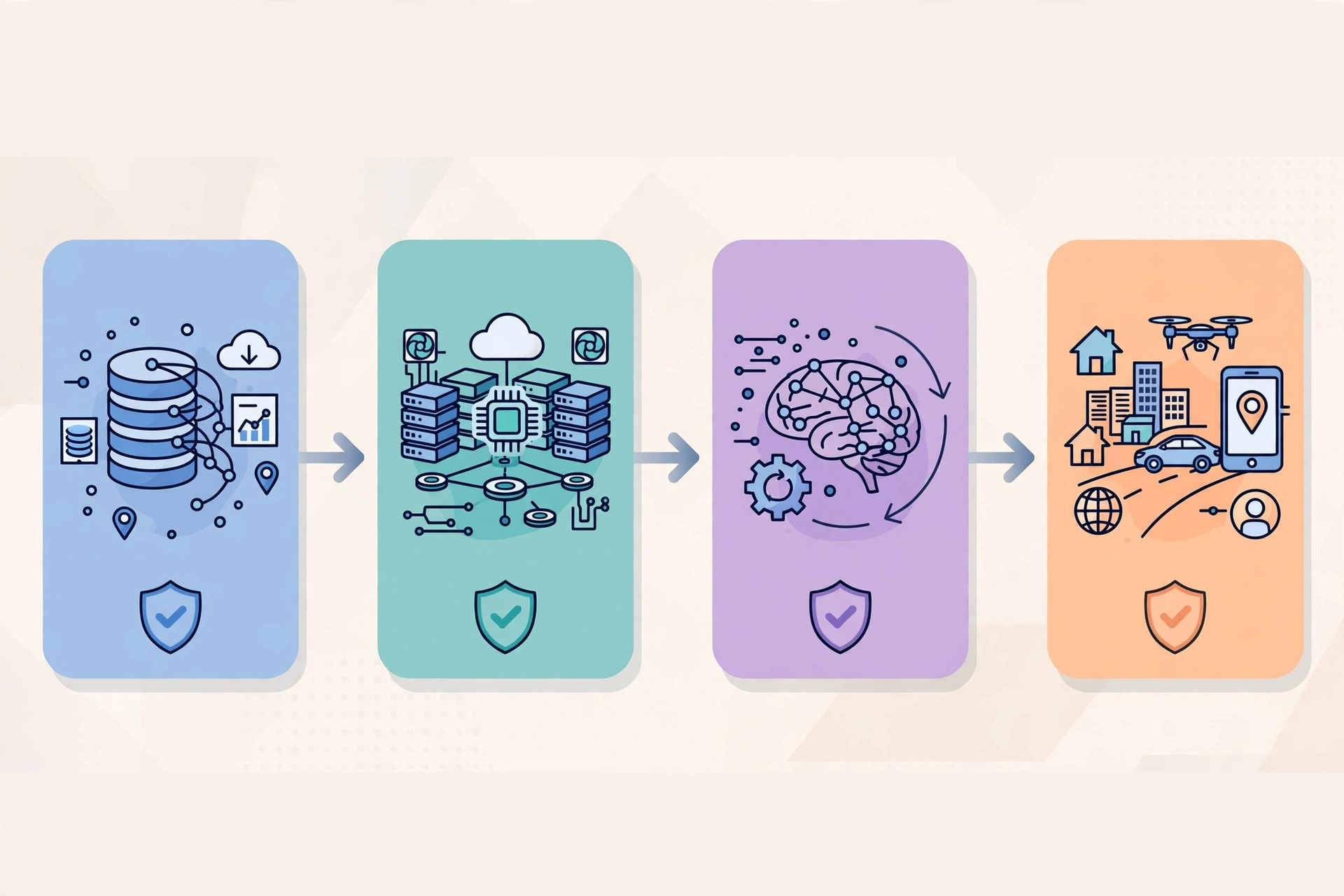
The full lifecycle, in plain terms
A full-lifecycle law is different from rules that only cover a finished product, such as a chatbot that the public can already use. In this model, oversight follows the system at every stage: the data collected to train it, the computing resources used to run it, the algorithms that shape its behaviour, and the applications people actually use. That matters because many AI risks are created early — in biased or leaked training data, in an unsafe design choice, or in a deployment with no way to report a failure — and are much harder to fix once a system is widely used. The same lifecycle thinking is behind enterprise safety tools such as CrowdStrike’s AI kill switch for rogue agents, which is designed to stop a misbehaving agent at runtime rather than only reviewing it afterwards.
Who is in scope: DeepSeek, Moonshot and Alibaba
The developers named in the November 3 reports are the Chinese labs most directly competing with OpenAI and Anthropic. DeepSeek became globally prominent for efficient, openly shared models, and its work on team-based coding agents is covered in our report on DeepSeek’s open-source coding agent. Moonshot is known for its Kimi models and long-context work, while Alibaba’s Qwen models are among the most widely used open-weight systems in the world, including in enterprise and developer tools. Naming all three signals that the first version of the regime is aimed at frontier developers — the companies building the most capable general-purpose systems — rather than every small app that happens to use an AI feature. Reporting also notes, however, that the exact scope of application and the specific obligations for each company will be set through future decrees and detailed criteria, so today’s announcement should be read as direction, not as a finished rulebook.
Disclosure, sandboxes and transition periods
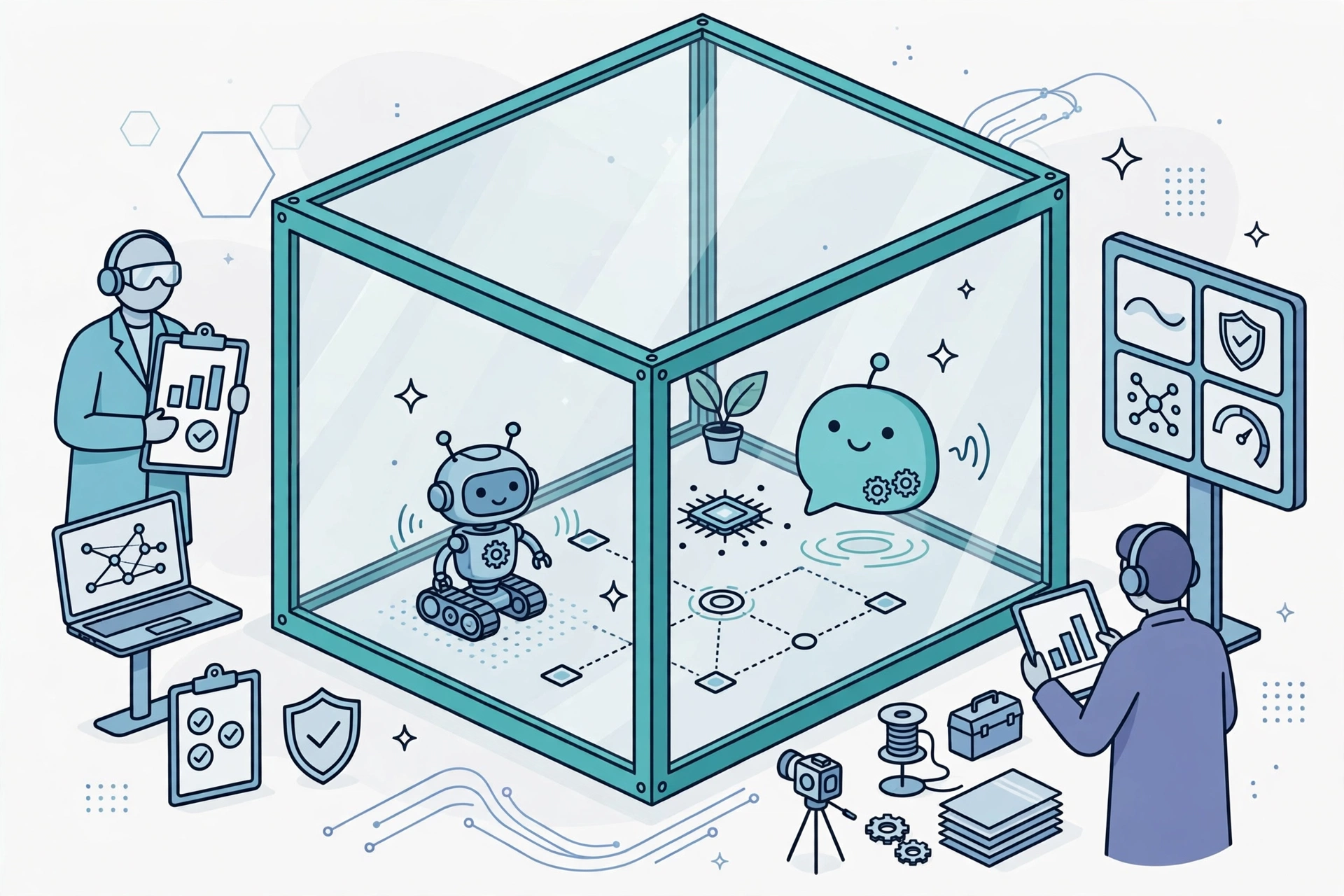
The planned regime pairs new obligations with room to adapt, and that combination is one of its most interesting features. Developers and operators would be expected to disclose safety risks and to report incidents and vulnerabilities promptly. At the same time, the framework is reported to include a reasonable transition period for compliance and regulatory sandboxes in different industries, letting companies test new technologies in controlled environments before wider release. Rules would also be reviewed periodically and updated as the technology changes. That sandbox idea is familiar from finance and other regulated sectors, and it is a practical answer to a common complaint about AI rules: that they are written for yesterday’s models and applied too rigidly to tomorrow’s. For the wider context of how fast AI capability and spending are growing, see our coverage of how enterprise AI spending hit $177 billion in 2026.
The human side: jobs, deepfakes and privacy
The framework is not only about model safety in a technical sense. Reports of the plan say authorities also intend to monitor the risk of AI replacing jobs, strengthen social protections, and address users becoming overly reliant on AI or developing emotional dependence on it. Deepfakes, algorithmic discrimination and privacy leaks are also within the stated governance scope. That breadth is significant: it treats AI as a social technology, not just a software product, and it connects the law to everyday harms people already recognise — a convincing fake video, an unfair automated decision, or personal data leaking through a chatbot — rather than only to abstract risks from future systems. It also echoes a lesson from recent benchmarking: the best AI agent scored just 12% on realistic expert work, a reminder that capability claims and real-world reliability are not the same thing.
What is still unknown — and what to watch
Several important questions remain unanswered, and readers should be careful not to over-read a single briefing. No enactment date, penalty structure or detailed compliance checklist has been published in the reporting seen so far, and the obligations for individual companies are still to be defined. China already adopted measures governing public-facing generative AI services in 2023, and comprehensive AI legislation was added to the State Council’s work plan in May 2026, so this announcement builds on existing work rather than starting from zero — but the step from a policy direction to enforceable standards is where the real detail will appear. Three things are worth watching next: the draft text itself, when it appears; the transition periods and sandbox rules for different industries; and how the rules treat open-weight models, which are widely shared and much harder to recall than a closed service. A useful summary of the announcement is AI Weekly’s report on China’s NDRC speeding up the AI law, and TokenPost’s coverage of the risk-reporting and sandbox elements.
Why this matters beyond China
Even for readers who never use a Chinese AI product, this law matters, because it will shape what the world’s second-largest AI ecosystem can build, export and share. If the rules require safety disclosure and incident reporting at the frontier, they will create a paper trail that other regulators, researchers and customers can learn from. If the sandbox model works, it could become a template other countries copy. And if the rules are vague or unevenly enforced, that too will be informative — a warning about how hard it is to govern a technology that moves faster than legislation. Either way, November 3, 2026 is a date to note: the day China said, in public and in specific terms, that it intends to regulate AI from data to deployment, not just at the point where the public meets it.