
On November 3, 2026, Apple opened Siri AI to every developer. The new Siri AI Developer Preview, shipping in the iOS 27.3, iPadOS 27.3, macOS 27.3 and visionOS 27.3 betas, lets any app bring its own content and actions into Siri through Apple’s App Intents framework. It is the clearest sign yet that Apple wants Siri to stop being a single-command assistant and start completing whole tasks — but it is still a developer preview, not a feature on your phone today.
What Apple actually opened up
Previously, Siri could only work with third-party apps through a limited set of Apple-defined categories. That changes with this preview: any app can register App Intents for Siri AI without a new entitlement or a separate developer program, according to Apple’s developer announcement and multiple reports of it. The idea is simple — if your app can do something, Siri AI should be able to offer that action in conversation, drawing on personal context, onscreen awareness and natural-language understanding. That context is also the backdrop to Apple’s record September quarter, which shows how much of Apple’s business now runs through its services and devices ecosystem.
How App Intents and skills work
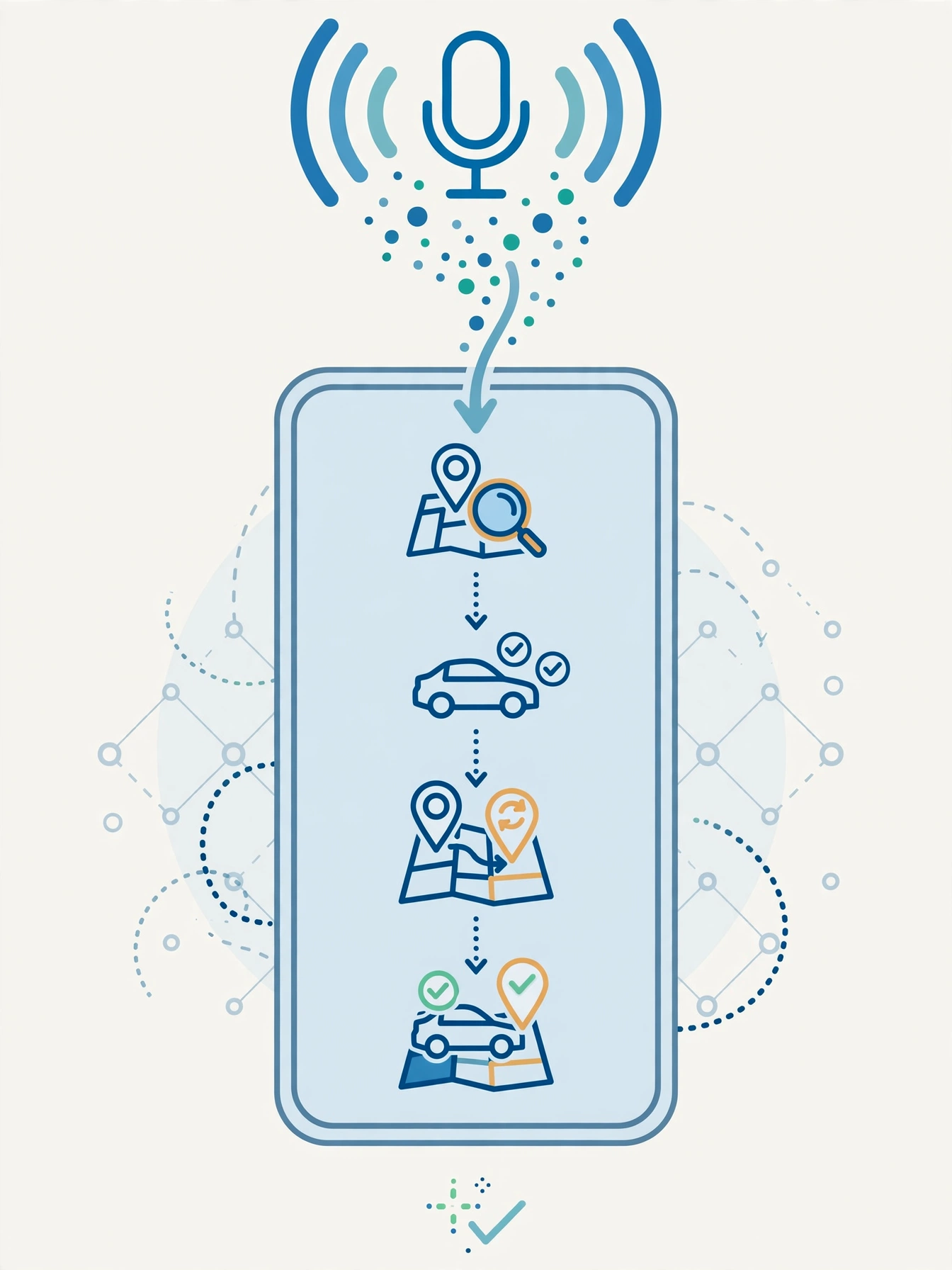
Under the preview, developers expose actions and content through App Intents, and Siri AI can surface any entity in Spotlight’s semantic index rather than only items matching an existing schema. A new feature called skills lets developers teach Siri AI to combine several actions into a single experience. Apple’s own example is telling: say “change my ride pickup” and Siri AI can order the ride, follow its progress through a Live Activity and then change the pickup address, without opening the ride-hailing app or issuing three separate commands. For developers, Xcode’s Siri Integration Advisor offers implementation feedback, and the Siri Evaluations framework lets them script requests, measure responses and spot regressions as intents evolve.
What Siri AI can do in Apple’s own apps
Apple is rolling the same capabilities into 15 of its own apps — Calendar, Files, Finder, Journal, Mail, Maps, Messages, Music, Notes, Photos, Preview, Reminders, Safari, Shortcuts and Weather. Reported examples include finding a previously visited coffee shop, organising Safari tabs and archiving files that have gone unopened for more than a year. That first-party rollout matters: it sets the baseline behaviour users will expect before third-party integrations arrive on the same surface. It also sits alongside Apple’s wider hardware story, from the first touchscreen MacBook Pro to its Apple’s HomeView camera plans, both of which put Siri AI interactions closer to daily routines.
What developers can test now — and what they can’t
Right now this is build-and-test only. Integrations run in developer builds of the 27.3 betas; they do not work for external TestFlight testers or in App Store versions of apps, even when those apps contain the new integration. Apple is holding Apple Intelligence Group Labs on November 4–5 to answer developer implementation questions. The company says the first customer experiences should arrive in a few months, with App Store submissions opening in the spring. Apple has not yet published final terms and usage policies for Siri AI experiences, so developers building now are building on a preview, not a finished contract.
Google’s Guided Learning rollout is another example of a big AI rollout being phased in with controls.
The limits: languages, age, EU and usage caps
Siri AI requires an Apple Intelligence-enabled device set to a supported language. Launch languages are English, French, Japanese, Korean, Portuguese and Spanish, with Traditional Chinese, Norwegian, Turkish and Vietnamese slated to follow. Siri AI is not available for users under 13, and it remains unavailable in the EU on iOS, iPadOS and watchOS, where Apple says it is working constructively with regulators on a path forward. Server-based features, including Siri AI, are also subject to daily usage limits. Those limits are worth watching: if Siri becomes the front door to apps, how often users can actually use it becomes a product question, not just a technical one.
What to watch before the spring App Store opening
For users, the honest takeaway is patience: nothing in this preview changes your iPhone this week. For developers, the window is now — the preview is the time to expose intents, test skills and learn how Siri AI resolves requests, before App Store submissions open. For Apple, the stakes are competitive: rivals have spent years turning assistants into agents that complete tasks, and this preview is Apple’s attempt to make Siri a platform other apps build on rather than a feature bolted onto its own apps. Whether developers embrace it, and whether Apple can keep its privacy story intact while Siri understands more personal context, will decide if Siri AI becomes a habit or just another beta footnote.

