On November 3, 2026, Google made its classroom AI strategy much clearer: Guided Learning, the Gemini mode that coaches students through problems instead of handing them answers, is now globally available in Google Classroom. At the same time, Google is building the same guided approach into Search for student accounts and changing the default for school AI access — a combination that could reshape how AI is used in lessons, and how much control schools actually have over it.
What Google announced on November 3
Google announced the changes as part of its 2026 AI in the Learning Era event. The headline is simple: teacher-led Guided Learning is rolling out globally in Google Classroom, while a Guided Learning pilot in Search will start in select U.S. schools later in November 2026, expanding to other districts in the coming months. Alongside that, Google said it is updating its approach to controls for Gemini, Gemini Notebook, Gemini in Classroom and Google Search on K-12 student accounts. Google’s own announcement of responsible AI for schools is the primary source for the Classroom launch and the controls change.
How Guided Learning works in Classroom
In Classroom, a teacher assigns a Guided Learning activity and each student works through it one to one, anchored in the class’s own material. Instead of jumping to a final answer, the tool asks open-ended questions, breaks problems into steps and keeps the student on the assigned topic. Teachers also get real-time insights into where the class may need extra support, so they can spend more time on targeted help rather than answering the same first question for every student.
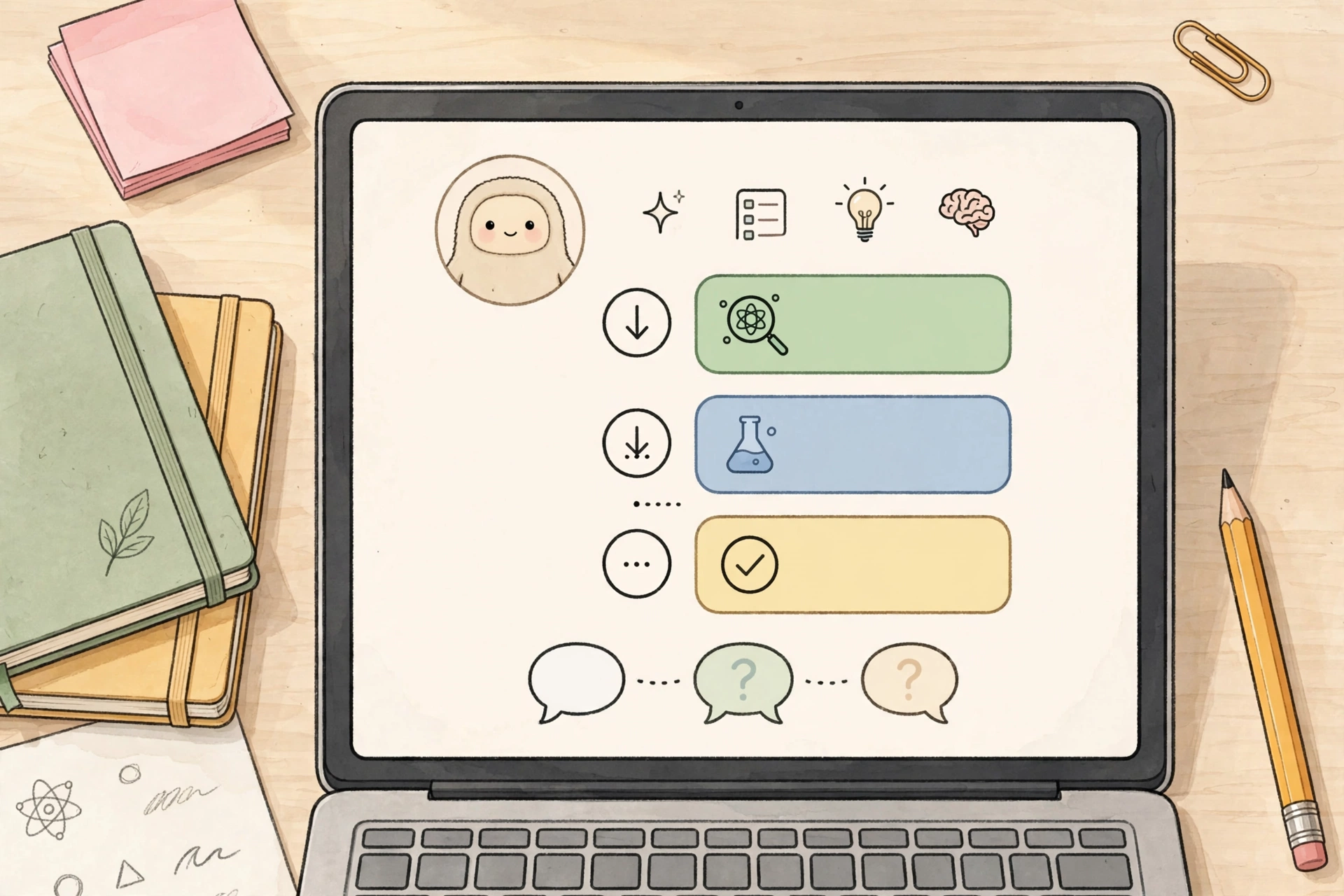
That teacher-led design is the point. Google tested the Classroom version with schools and educators before launch, including a four-week pilot with Ark across three UK secondary schools and four subjects. Teachers in that pilot said Guided Learning handled initial student questions during independent work, giving them more time for one-on-one help. For readers building broader study habits, see our guide to the 15 best websites to learn new skills online.
What the research actually shows
Google also published two studies on November 3. In a randomized controlled trial with more than 300 University of Tokyo students, students were given half a day to study a statistics lesson using standard online resources. Those using only standard tools improved by 5.3 percentage points, while students who also had Guided Learning in the Gemini app improved by 8.1 percentage points — which Google describes as 1.5 times higher learning gains in a single study session.
Those numbers are encouraging, but they need careful reading. The trial was short — half a day — and it measured one lesson, not a whole term of learning. The UK pilot was also small, at three schools, and its student feedback was survey-based: most students said they felt comfortable asking Gemini for help when stuck, and over half said it helped them solve problems on their own. That is useful early evidence, not proof that guided AI will lift results everywhere. Google’s research post on Guided Learning in Classroom sets out both studies in detail.
The Search pilot — and the opt-in change that matters most
In Search, Guided Learning will work differently from a normal search. When Google’s systems understand a student is looking for certain types of homework help — for example, pasting a complex physics problem or asking for help with a book report — Search will walk them through the topic step by step, with prompts to think critically, rather than going straight to the answer. The pilot starts in select U.S. schools later in November 2026; Google has not named the schools in its announcement.
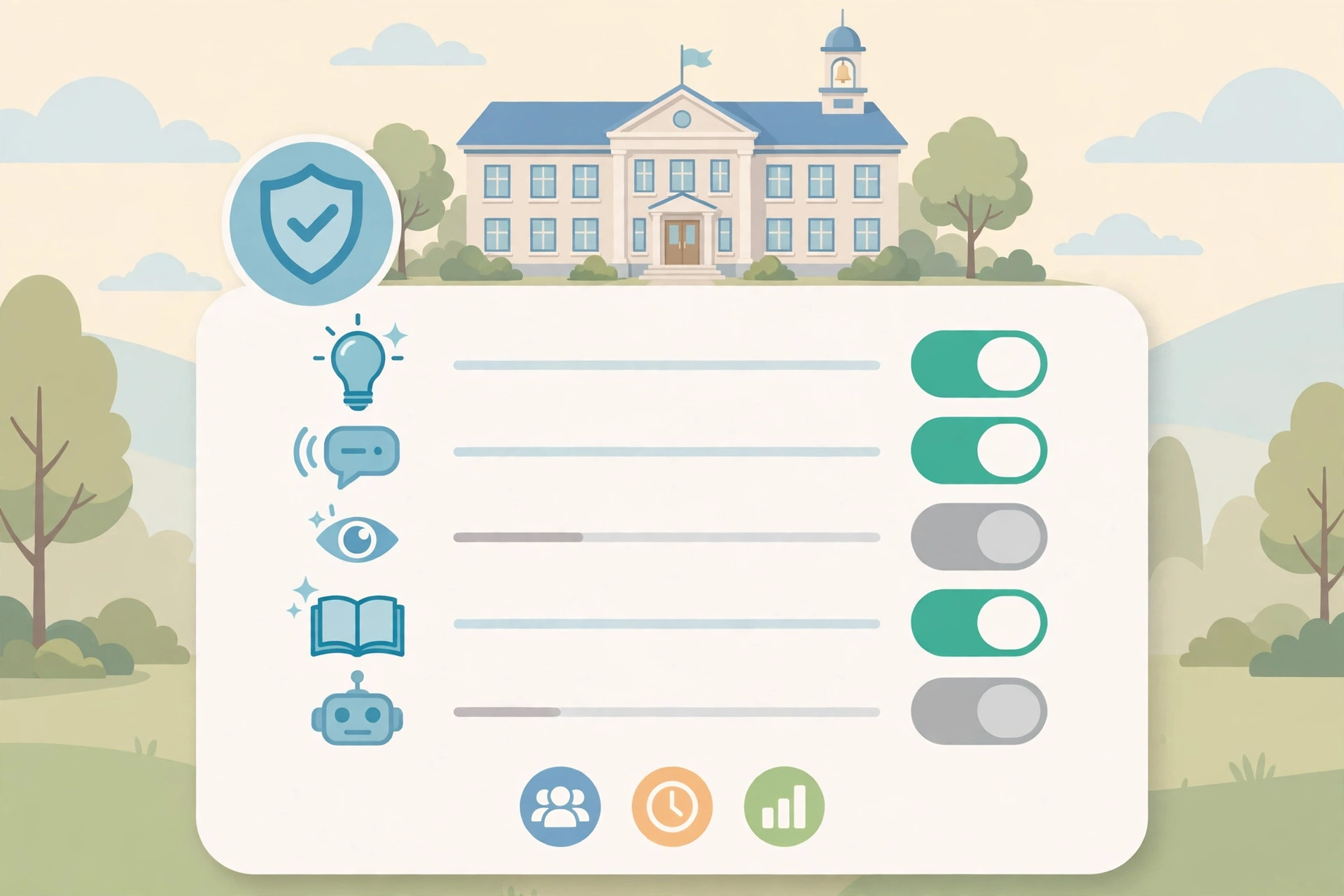
The bigger change is the control setting. Google says access to Gemini, Gemini Notebook, Gemini in Classroom and Google Search will be entirely off for K-12 student accounts until school administrators explicitly turn them on. Google says it will share more specifics with schools in the coming months before the changes roll out, to give administrators time to prepare. That opt-in framing gives schools real choice — but, as 9to5Google’s analysis of the Search changes notes, it also has a sharp edge: because Search and AI are deeply integrated, students in schools that keep AI features off will not have access to Search either, and Google has described two options for early 2027, one with AI features on and one with Guided Learning in their place.
What teachers should do first
For teachers, the practical first step is to try Guided Learning as a lesson scaffold, not as a replacement for teaching. Assign it on material students have already met, check the insights it returns about where the class struggled, and use that to plan the next lesson. It works best when the activity is narrow — one concept, one problem type, one set of source materials — rather than an open-ended ‘ask the AI anything’ session.
Schools should also decide their admin policy before the new defaults arrive. That means agreeing who turns products on, for which age groups, and what happens to Search access if AI stays off. The debate is part of a wider shift: AI regulation is moving toward full-lifecycle safety rules, as in China’s full-lifecycle AI law, while identity-first edge AI security shows how control and visibility are becoming central to AI deployments. And the scale of classroom AI cannot be separated from the wider market, where enterprise AI spending surged to $177 billion in 2026.
What to watch next
Three things will tell us whether this launch matters beyond the announcement. First, the Search pilot: which schools take part, and whether teachers find the guided Search experience helpful or frustrating when students just want a fact. Second, the controls rollout: how clearly Google explains the choice to administrators, and how many schools opt in, opt out, or get caught between Search access and AI access. Third, longer classroom evidence: gains over a term, across subjects and age groups, not just a half-day statistics lesson.
If Guided Learning delivers on its promise, it could become the template for school AI — coaching rather than answering, teacher-controlled rather than student-led, and grounded in the lesson rather than the open web. If it does not, schools will have learned something valuable anyway: that the right question for classroom AI is not whether students use it, but whether it helps them think.