Toyota is about to become Waymo’s factory for the international robotaxi push. On October 30, 2026, the two companies announced the next phase of their autonomous driving collaboration: Toyota will build a custom, battery-electric bZ4X robotaxi, integrate Waymo’s self-driving hardware on the same assembly line, and start testing and validating the fleet in Japan in 2027. It is the first real vehicle to come out of a partnership that began as a vague agreement to explore autonomous driving in April 2025 — and it could shape how driverless ride-hailing expands beyond the United States.
What Toyota and Waymo actually announced
Toyota and Waymo will begin initial operations to test and validate an autonomous Toyota bZ4X fleet in Japan in 2027, with deployment to the United Kingdom and other Waymo-serviced markets planned for the following years. Toyota describes the plan as a step toward Japan’s first fully autonomous ride-hailing service using high-volume, domestically manufactured vehicles. The announcement is a production and testing plan, not a confirmed start date for public rides in the Toyota vehicles — that distinction matters, because permits, safety validation, and local partnerships still have to fall into place. Read the companies’ own announcement from Toyota (Toyota’s official October 30 announcement).
Why building the robotaxi in the factory matters
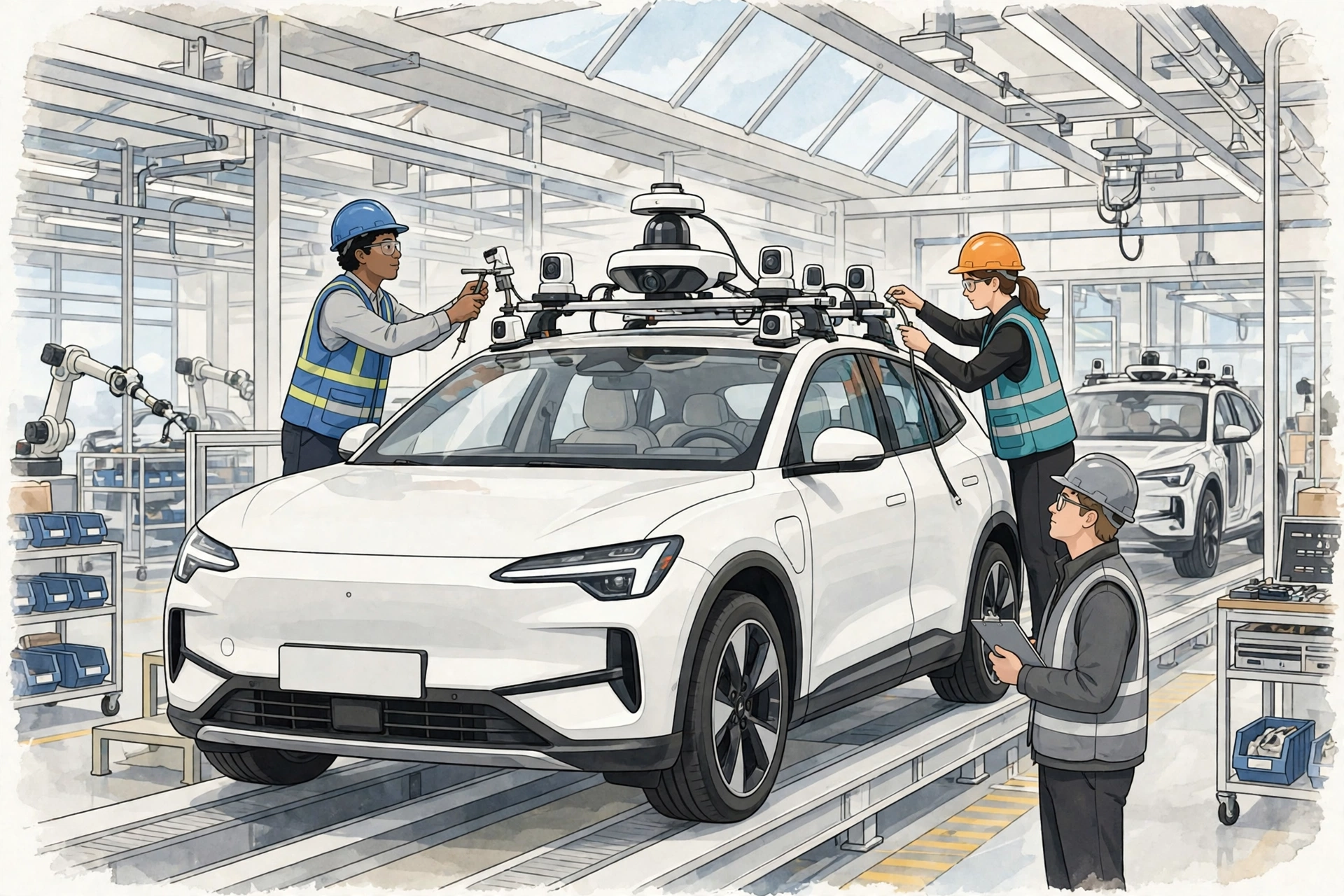
Until now, many robotaxis have been finished vehicles retrofitted with sensors and computers somewhere else. Toyota will build the bZ4X at its Takaoka plant in Toyota City, Aichi Prefecture, Japan, and the entire process — from assembling the base vehicle to integrating Waymo’s autonomous-vehicle hardware — will take place under one roof. That factory integration should simplify quality control, cut duplicate labour and shipping, and make it easier to scale production if the service grows. For Waymo, which does not build cars itself, a manufacturing partner with Toyota’s scale is a major advantage. It is the same logic behind other AI systems built for safety-critical work: the technology only matters if it can be deployed reliably, at volume, in the real world.
What riders will get in the custom bZ4X
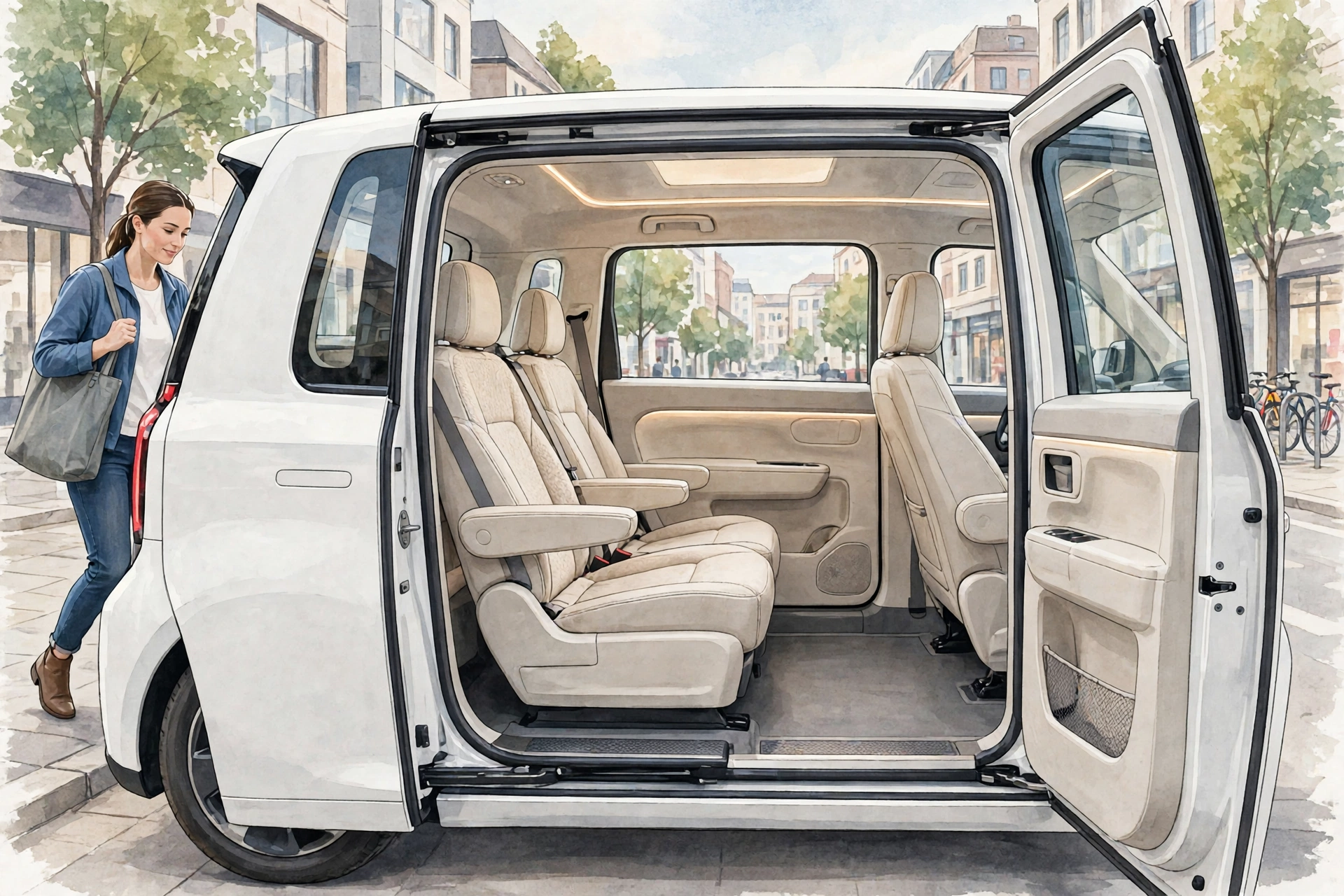
The custom-outfitted bZ4X is designed for comfort and greater accessibility, according to Toyota. Generous rear legroom and features such as automatic doors, a power liftgate, and ambient lighting are meant to provide seamless entry and exit for riders. Those details may sound small, but for a service meant to serve people who cannot easily drive themselves, easy boarding is part of the product — not an afterthought. Waymo has not shared sensor specifications, unit volumes, or per-vehicle costs, so the rider experience details released so far focus on space and access rather than the underlying hardware.
Japan first, then the UK: the rollout timeline
Japan is the initial testing ground, with testing and validation starting in 2027. The United Kingdom and other markets where Waymo operates are planned for subsequent years, with no dates attached. Waymo has already been testing Jaguar I-Pace vehicles in London for months and plans a robotaxi service there once it receives the necessary permits, so the bZ4X would slot into a right-hand-drive strategy that already covers both launch markets. Separately, Waymo said in September 2026 that it is targeting fully driverless commercial rides in Tokyo in 2027 with taxi operator Nihon Kotsu and the GO app, scaling to about 100 vehicles pending regulatory approval. Reporting on the Toyota deal (TechCrunch’s report on the Toyota-Waymo deal) notes that the partnership began 18 months after the preliminary agreement — a reminder that this phase took time to become concrete.
What this means for Waymo’s fleet problem
Waymo’s biggest constraint has not been software alone — it has been cars. Its US fleet has been built largely on the Jaguar I-Pace, a model Jaguar no longer produces, and it has been adding the Zeekr-built van and the Hyundai Ioniq 5. The bZ4X becomes a fourth vehicle platform, and the first built in Japan for international markets. Having Toyota build Waymo-ready vehicles on its own assembly line gives Waymo manufacturing capacity it does not have to build itself, and a high-volume, reliable base vehicle for right-hand-drive countries. The same shift toward autonomous systems working on their own is visible elsewhere in AI: autonomous agents that watch team chats and AI agents are already reshaping how software gets built show how autonomy is moving from demos to everyday workflows.
What is still not decided
Several key facts remain undisclosed. Neither company has said how many vehicles Toyota will build at first, what each vehicle costs, or when a commercial service using the bZ4X will open to the public in Japan or the UK. The companies also continue to explore autonomous driving technology for personally owned Toyota vehicles, alongside work with Woven by Toyota on safety initiatives using insights from Waymo’s real-world operations — but that work remains exploratory, with nothing concrete announced for cars you can buy. More detail on the vehicle plan (Electrek’s breakdown of the bZ4X robotaxi plan) confirms the 2027 operations are about testing and validation, not a passenger launch date.
What to watch next
Watch for three things: the size and location of the first Japanese test fleet, any UK pilot or permit news tied to the bZ4X, and whether Toyota and Waymo say anything more concrete about personally owned vehicles. If the 2027 Japan tests go smoothly, the factory-built approach could become the template for Waymo’s international expansion — a boring, reliable, mass-produced car, built where it will run, with the driver built in from the start. For a robotaxi, boring and reliable is exactly the point.
Toyota building Waymo’s next robotaxi is less about one SUV and more about a manufacturing model: assemble the car and its self-driving system together, validate it in Japan, then scale it to other right-hand-drive markets. The 2027 tests will show whether that model delivers the safety and scale both companies are promising.