
Microsoft has taken its agentic security platform out of preview. At Ignite 2026 on November 17, the company announced that Microsoft Perception — unveiled in July as Project Perception and in public preview inside Microsoft Defender since August — is now generally available. Instead of one AI assistant helping a security analyst, Perception fields whole teams of specialized AI agents that attack, defend and fix, working through playbooks at machine speed while humans stay in control. It arrives at a moment when attackers are automating too: Google’s threat researchers have warned that fully autonomous, agent-driven cyberattacks could arrive within months. Here is what Perception does, how its red, blue and green teams work, and what it means for security teams.
Three Teams of Agents, One Closed Loop
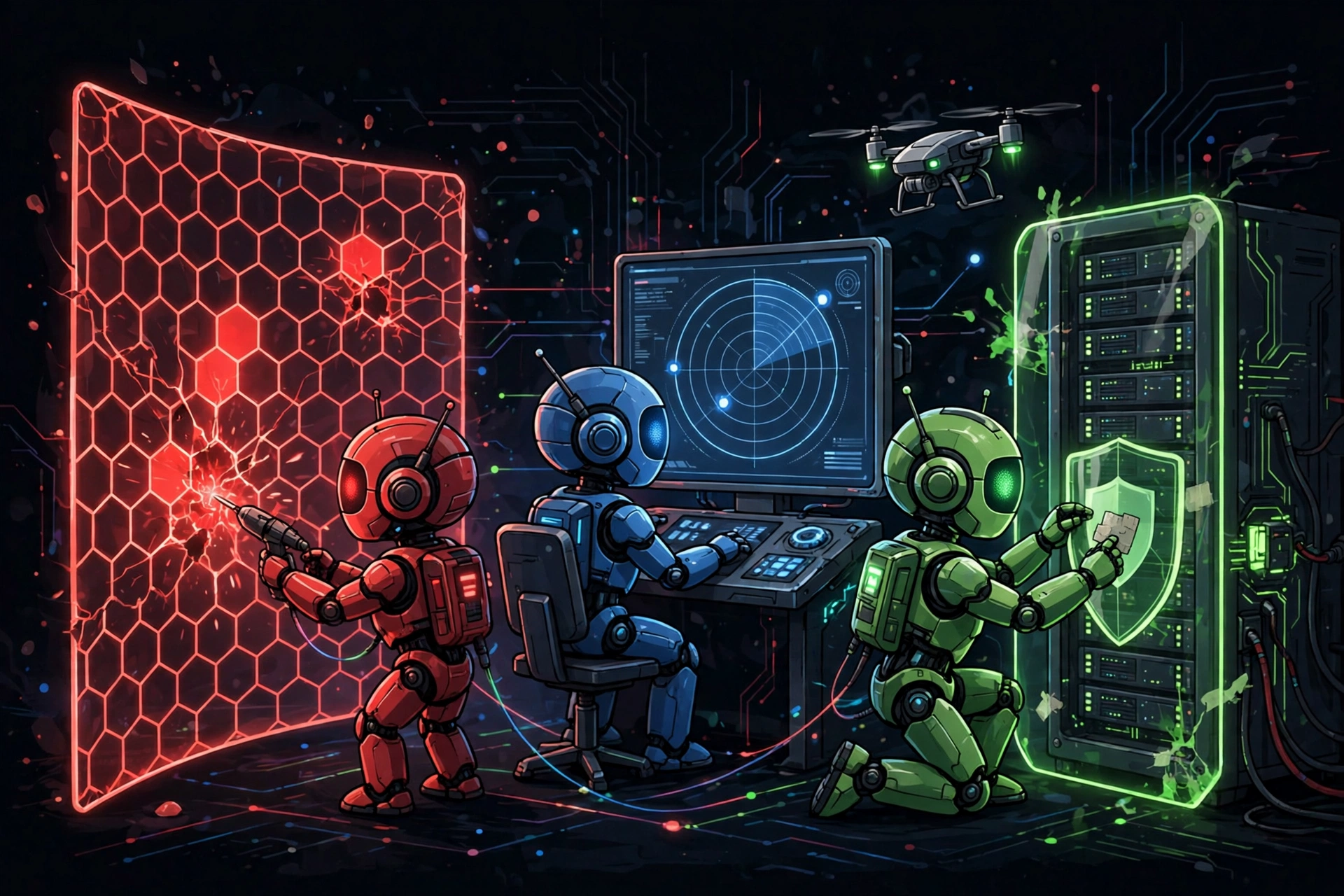
Perception organizes its agents into three teams, each with a distinct job. Red team agents think like attackers: they simulate attacks and probe systems to find paths to compromise before real intruders do. Blue team agents are the defenders: they detect suspicious activity, triage the flood of security alerts and investigate incidents. Green team agents close the loop: they prioritize the exposures that matter most and coordinate fixes so vulnerabilities actually get remediated. Playbooks tie the teams together, letting defenders compose agents into workflows that tackle complex jobs and trigger autonomous action. The idea is to move security operations from handling tasks one by one to delivering outcomes — a vulnerability found, investigated and fixed — with humans setting the boundaries and reviewing the decisions that matter.
The Blue Team: Triage, Investigation and Threat Intelligence
The blue team is the most developed part of the platform at launch, with four agents now generally available. The Alert Triage Agent sorts the incoming alert queue, reaching a verdict on each alert and explaining its reasoning so analysts can quickly check the evidence and act — Microsoft says it can now triage about 80 percent of alerts in a typical Microsoft Defender queue. The Attack Investigation Agent digs into incidents, the Detection Authoring Agent turns findings into new detection rules, and the Threat Intelligence Agent converts external threat articles into structured findings, extracting attacker behaviors, techniques and indicators. These agents can now also reason across signals from third-party vendors, starting with Okta, AWS and Salesforce, with more vendors coming in the months ahead.
The Red and Green Teams: Finding Flaws and Fixing Them
On the offensive side, the Recon Agent — one of the red team agents — is generally available, mapping out an organization’s attack surface, while a Web App Pen Test Agent has entered preview to test web applications the way a penetration tester would. The green team gets two new playbooks that work across Microsoft, AWS and Google Cloud, backed by the Posture Prioritization Agent, now generally available, and the Risk Reduction Agent, now in public preview. When a fix is not immediately available, the Risk Reduction Agent can recommend vulnerability shielding as a stopgap. Together, the three teams are meant to run as a loop: red finds the weakness, blue confirms and investigates it, green makes sure it gets fixed — and the cycle starts again.
Why Now: Attackers Are Automating Too
Perception’s launch is a response to a shift Microsoft and others have been warning about all year: cyberattacks are becoming automated, agent-driven operations. Google’s Threat Intelligence Group has said threat actors are already running multi-step attacks with AI-powered tools and could be running fully autonomous campaigns within months, while Anthropic’s report on hackers misusing Claude showed real-world attackers already using AI assistants in their operations. Defenders face the same math every security team knows: too many alerts, too few analysts, and vulnerabilities that sit unpatched for weeks. Perception’s bet is that the only way to keep up with machine-speed attacks is machine-speed defense — agents that can scan, triage and remediate around the clock. Microsoft is also extending the platform to the new risks AI itself creates: at Ignite it introduced playbooks to investigate and reduce the risk of “agentic insiders” — AI agents inside an organization that may hold broad access — drawing on signals from Microsoft 365 E7, and AI Readiness Initiatives that turn security guidance into actionable plans arrive in preview in January 2027.
What This Means for Security Teams
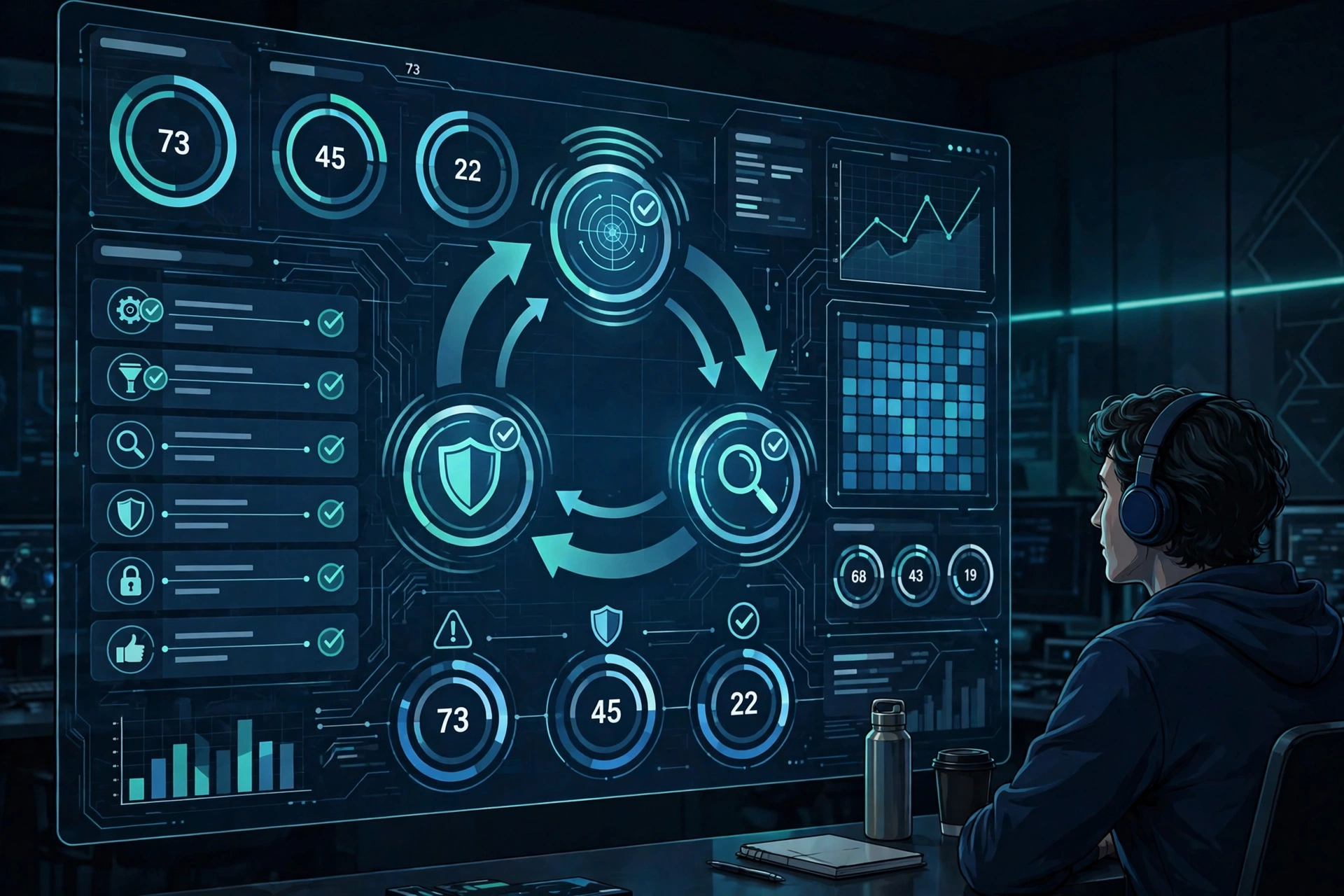
For organizations already running Microsoft Defender, Perception is the foundation of what Microsoft calls the agentic SOC — a security operations center where agents handle the repetitive, high-volume work and analysts focus on judgment calls. The practical payoff is speed: faster triage of alert queues, faster investigation of incidents, and fixes that are prioritized by actual risk rather than by severity score alone. But the platform also raises the questions every agentic system raises. Agents acting autonomously inside a network need clear guardrails, and Microsoft stresses that humans remain in control, with playbooks defining what agents may do on their own. Teams adopting Perception will need to decide how much autonomy to grant, how to audit agent decisions, and how to keep the agents themselves secure — because an AI agent with broad access is itself a target. The general availability announcement makes one thing clear: agentic security has moved from experiment to product, and the race between AI-powered attack and AI-powered defense is now running in earnest.
Microsoft Perception turns the security operations center into a team sport for AI agents: red agents attack, blue agents defend, green agents fix, and playbooks keep them working together. With four blue team agents generally available, triage covering about 80 percent of a typical Defender alert queue, and remediation playbooks spanning Microsoft, AWS and Google Cloud, it is the most complete version of agentic defense a major vendor has shipped. Whether it lives up to the promise will depend on how well the agents perform in real environments — and how carefully security teams manage the autonomy they hand over. But as attackers automate, defenders can no longer afford to work at human speed alone.
Further reading:
- Microsoft’s Copilot Autopilot always-on AI agent
- Signal blocking screenshots to keep AI agents out of chats
- Apple’s AI agent that can run a Mac like its owner
- the FBI’s investigation into the hack of its national crime database
Sources:

