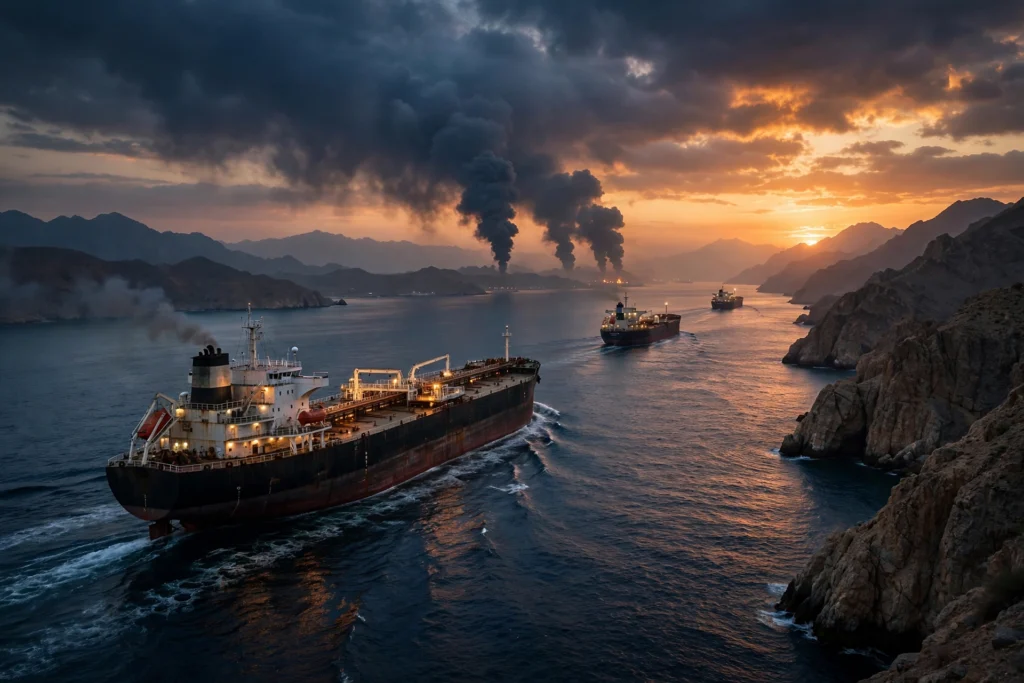
The Gulf is on edge again. On Tuesday, November 17, Iran fired drones at a United States radar installation in Bahrain, and within hours an American fighter jet struck back at an Iranian military site on Qeshm Island in the Strait of Hormuz. It was the third Iranian attack on American military targets in Bahrain in five days, and it shattered a roughly two-month lull in a war that began on February 28.
No Americans were hurt and no US equipment was damaged, according to US Central Command. But the speed of the exchange — attack, interception, retaliation — shows how quickly a quiet stretch in the Gulf can turn into open confrontation. With three American aircraft carriers now in the region and diplomats scrambling for a way back to talks, the next few days will matter enormously.
A Third Attack on Bahrain in Five Days
Iran’s Islamic Revolutionary Guard Corps said its combat drones targeted a US military radar system at Sheikh Isa Air Base in Bahrain early on Tuesday. Bahrain said its air defense systems intercepted the incoming drones, calling them “treacherous Iranian aerial attacks.” The Associated Press reported that the US military likewise said the attack inflicted no damage to US equipment and no injury to American personnel.
This was not the first time. Iran targeted a US early warning radar facility in Bahrain on Friday, and Tuesday’s strike was the third attempt on American military targets in the island kingdom in five days. US officials told reporters that all three attempts were intercepted. Bahrain hosts the US Navy’s 5th Fleet, making it one of the most important American military hubs in the Gulf — and, increasingly, one of the most targeted.
The attacks brought condemnations from across the region, with Gulf governments warning that strikes on Bahrain put the whole region’s security at risk. For ordinary Bahrainis, the pattern is becoming familiar and frightening: sirens, interceptions overhead, and then official statements that the danger has passed — until the next time.
The US Strikes Back on Qeshm Island
Hours after the Bahrain attack, a US fighter jet carried out a strike on a missile launch site on Qeshm Island belonging to Iran’s Revolutionary Guard, a US official said. The official, who spoke on condition of anonymity to describe a sensitive military operation, said “precision munitions” were used and that the US was responding to “aggression” toward US personnel. A US military official described the strike as launched in self-defense, saying it was a response to Revolutionary Guard aggression targeting US personnel and assets.
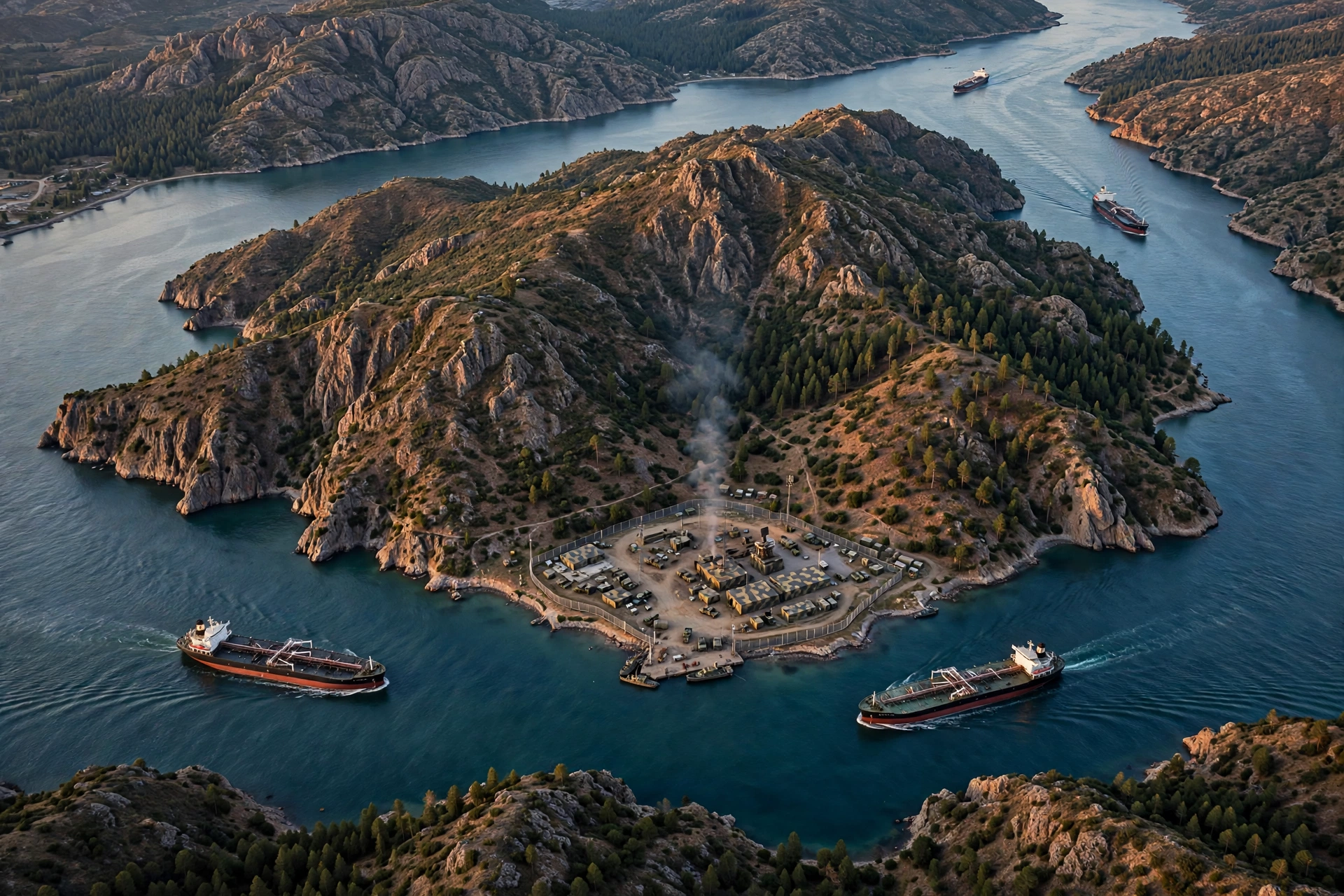
Iranian media reported that the strike targeted the Nariman air defense site on Qeshm Island, Iran’s largest island, which sits at the mouth of the Strait of Hormuz. Residents reported five to six explosions on Tuesday evening, according to Iran’s official IRNA news agency, and the semi-official Fars news agency said smoke was seen above the island. A local official, Ahmad Nafisi, the deputy governor of Hormozgan province, said the attack caused no damage to residential or commercial areas or infrastructure.
The US military has periodically carried out what appear to be limited strikes on Qeshm Island and other Iranian targets this month, but Tuesday’s strike was the most direct American response yet to the Bahrain attacks. The message from Washington was clear: attacks on US personnel will be answered.
A Two-Month Lull Breaks
The exchange ended a period of relative calm that had lasted roughly two months. Since the war between the United States and Iran began on February 28, fighting has come in waves — intense bursts of strikes followed by pauses that many hoped might turn into something more lasting. Tuesday’s events showed how fragile those pauses are.
The timing matters for another reason. The escalation comes as diplomats work to keep channels open: a Qatari-mediated meeting with Iran was reported to be scheduled for Tuesday, and American officials have been weighing how to respond to Iranian actions without triggering a wider war. At the same time, the tanker mines near the Strait of Hormuz that we reported earlier today show that the shipping lanes through which a fifth of the world’s oil passes are already under strain.
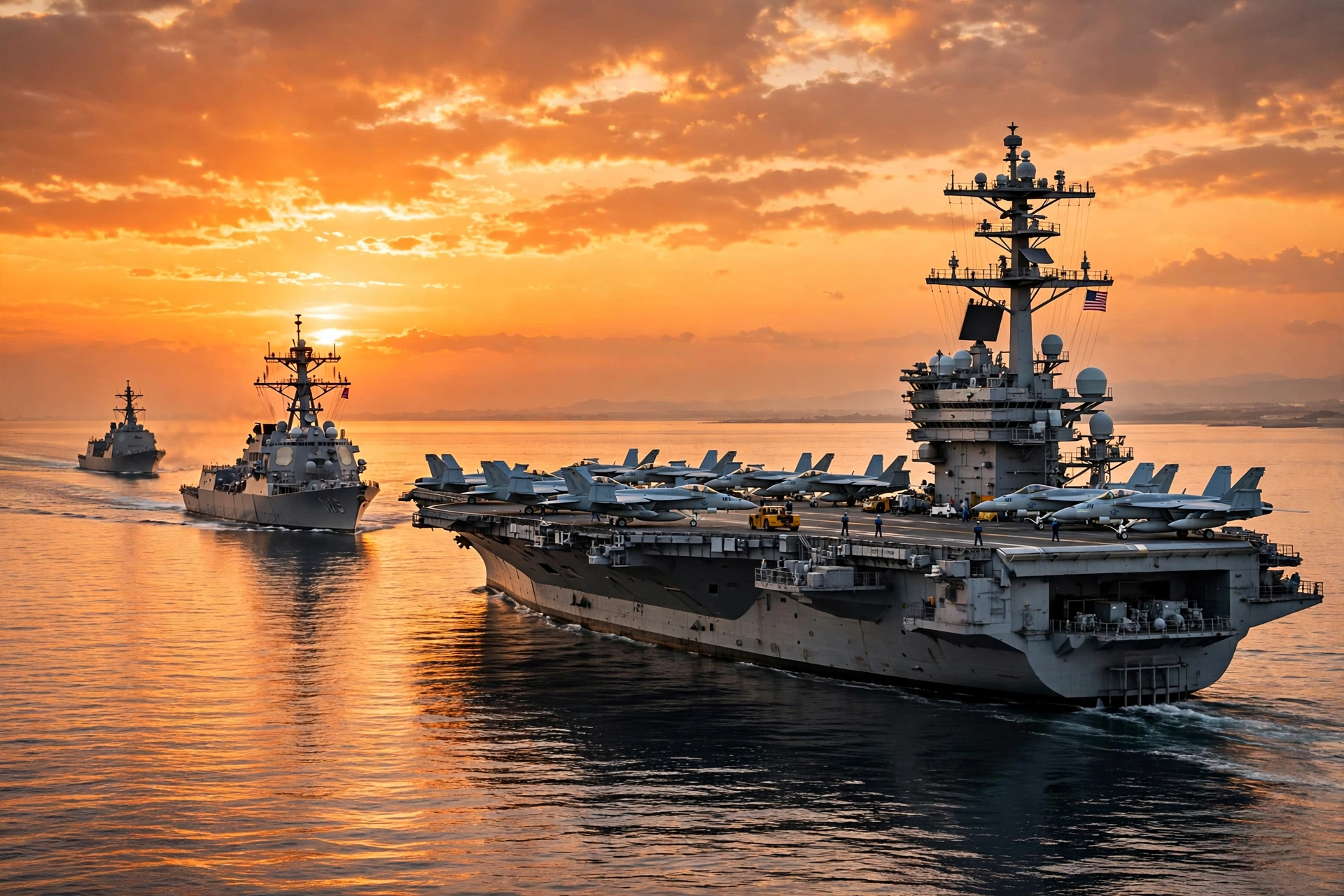
The US military buildup in the region is now substantial. US Central Command confirmed the USS Theodore Roosevelt carrier strike group has arrived, and reports say the United States now has three carriers in the region. That firepower is meant as a deterrent, but it also means that any miscalculation could escalate fast.
What Remains Unverified
Not every claim from Tuesday can be confirmed, and readers should treat the unverified ones with care. Iran also claims that a supertanker carrying more than two million barrels of oil sank, and that its air defenses shot down an 18th US MQ-1 reconnaissance drone south of Qeshm Island. Neither claim has been independently verified.
Separately, Just Security’s Early Edition reported that new US intelligence indicates Iran is developing plans to target senior officials in President Trump’s administration by detonating a “dirty bomb” or chemical weapon in Washington, DC, according to US officials who spoke to CNN. That allegation has not been publicly confirmed, and it should be treated as an intelligence claim rather than an established fact. Still, it helps explain the heightened alert across Washington and the Gulf.
The fog of war is real, and both sides have reasons to shape the story. What is confirmed is the core sequence: drones fired at Bahrain, interceptions, and an American strike on Qeshm Island. Everything else deserves a second look before it is believed.
Why the Strait of Hormuz Matters
Qeshm Island is not a random target. It sits at the mouth of the Strait of Hormuz, the narrow waterway through which roughly a fifth of the world’s traded oil flows. Whoever controls the strait — or can threaten shipping through it — holds leverage over the global economy. That is why the island’s air defenses and missile sites matter, and why attacks there send oil prices and insurance rates moving within hours.
The same logic applies to Bahrain. The island kingdom is small, but it hosts the headquarters of the US Navy’s 5th Fleet and is home to thousands of American service members and their families. Attacks there are not just military gestures; they are messages aimed at Washington, at Gulf capitals, and at the wider world.
What Happens Next
Three questions will shape the coming days. First, will Iran strike again, or will the Qeshm retaliation pause the cycle? Second, will the Qatari-mediated talks scheduled for Tuesday produce any de-escalation, or will diplomacy stall while the shooting continues? And third, how will the wider region respond — including the leaders meeting in Asia this week, as Trump’s Asia trip continues with a planned trilateral meeting in Shenzhen on Thursday?
For now, the pattern is familiar from earlier in this war: attack, interception, retaliation, and then a nervous wait. The difference this time is that the lull lasted two months, and many had begun to hope the worst was over. Tuesday proved otherwise. The Gulf is back on a war footing, and the world will be watching the strait, the skies over Bahrain, and the negotiating table in equal measure.
Frequently Asked Questions
What happened in Bahrain on November 17?
Iran’s Revolutionary Guard Corps fired drones at a US radar system at Sheikh Isa Air Base in Bahrain. Bahrain said its air defenses intercepted the drones, and US Central Command said no American equipment was damaged and no US personnel were hurt. It was the third Iranian attack on US targets in Bahrain in five days.
What did the US strike in response?
Hours later, a US fighter jet struck a Revolutionary Guard missile launch site on Qeshm Island in the Strait of Hormuz with precision munitions, according to a US official. Iranian media said the strike hit the Nariman air defense site. A local official said no residential, commercial, or infrastructure areas were damaged.
Why is Qeshm Island important?
Qeshm Island sits at the mouth of the Strait of Hormuz, the narrow waterway carrying about a fifth of the world’s traded oil. Its air defenses and missile sites can threaten shipping through the strait, which is why attacks there move oil markets and raise global tensions.
Is the US-Iran war escalating again?
Tuesday’s exchange broke a roughly two-month lull in a war that began on February 28. With three US carriers in the region and attacks on both sides, the risk of further escalation is real, though diplomats are still working through Qatari-mediated channels.