Cognition has given its famous AI software engineer a boss — and the boss is also an AI. On November 17, 2026, the startup launched Devin Bots, persistent agents that manage teams of Devin coding agents on projects lasting days or even weeks. It is the clearest sign yet that the coding-agent race has moved past writing code: the new contest is about who can organise the work.
Devin, launched in 2024, was the first widely known autonomous AI software engineer — an agent that takes a task, plans it, writes the code, runs the tests and opens a pull request. Devin Bots sit one level above it. Instead of executing a single task, a Bot owns a goal end to end, and the humans around it become reviewers and decision-makers rather than task assigners.
What Are Devin Bots?
A Devin Bot is a persistent agent with its own memory and tools. You give it a large project or an ongoing responsibility — maintaining an open-source repository, keeping an Android app at parity with its iOS version, managing releases, or optimising server inference — and it owns that outcome.
The Bot investigates the problem, breaks the work into pieces, and hands those pieces to teams of Devin sessions running in parallel. It then evaluates what comes back and decides what to pursue next, keeping context across sessions so the project does not restart from zero every morning. You coordinate with a Bot over Slack, iMessage or the Devin app, a Bot can be shared with a whole team, and multiple Bots can coordinate with each other.
The design answers the biggest complaint about coding agents so far: a coding agent can finish every task you give it while still leaving you responsible for moving the project forward. Cognition built Devin Bots to take on more of that responsibility. “Self-driving software is, I think, the direction that it’s going,” co-founder and CEO Scott Wu told Fortune. “But of course, it’s always up to the human where we’re driving to.”
How a Devin Bot Runs a Project
The workflow has three layers: you, the Bot, and the Devins underneath it. You set the goal and the boundaries. The Bot plans the work, spawns Devin sessions for individual pieces, reviews their pull requests, and folds the results together. The Devins do the coding, testing and debugging they were built for.
Crucially, the Bot does not hide the decisions that matter. Only the calls that need human judgment reach you, in a “Needs You” inbox — the rest is handled without interrupting you. That inbox is the safety valve in the whole design: a manager agent that never escalated would be a liability, not a feature.
Cognition says there is no separate pricing for Bots — they run on Devin — and the product is available today at devin.ai/bots. The company publishes no benchmarks for Devin Bots, so the evidence it offers is usage, reported by Cognition itself.
The Android App a Bot Built in 44 Days
Cognition’s most striking demo is its own dogfooding. Devin had an iOS app and a team of iOS engineers behind it, but no Android engineers and no plan for an Android version. On September 28, 2026, an engineer on the Bots team created an “Android Bot” and told it to product-manage the Android app.
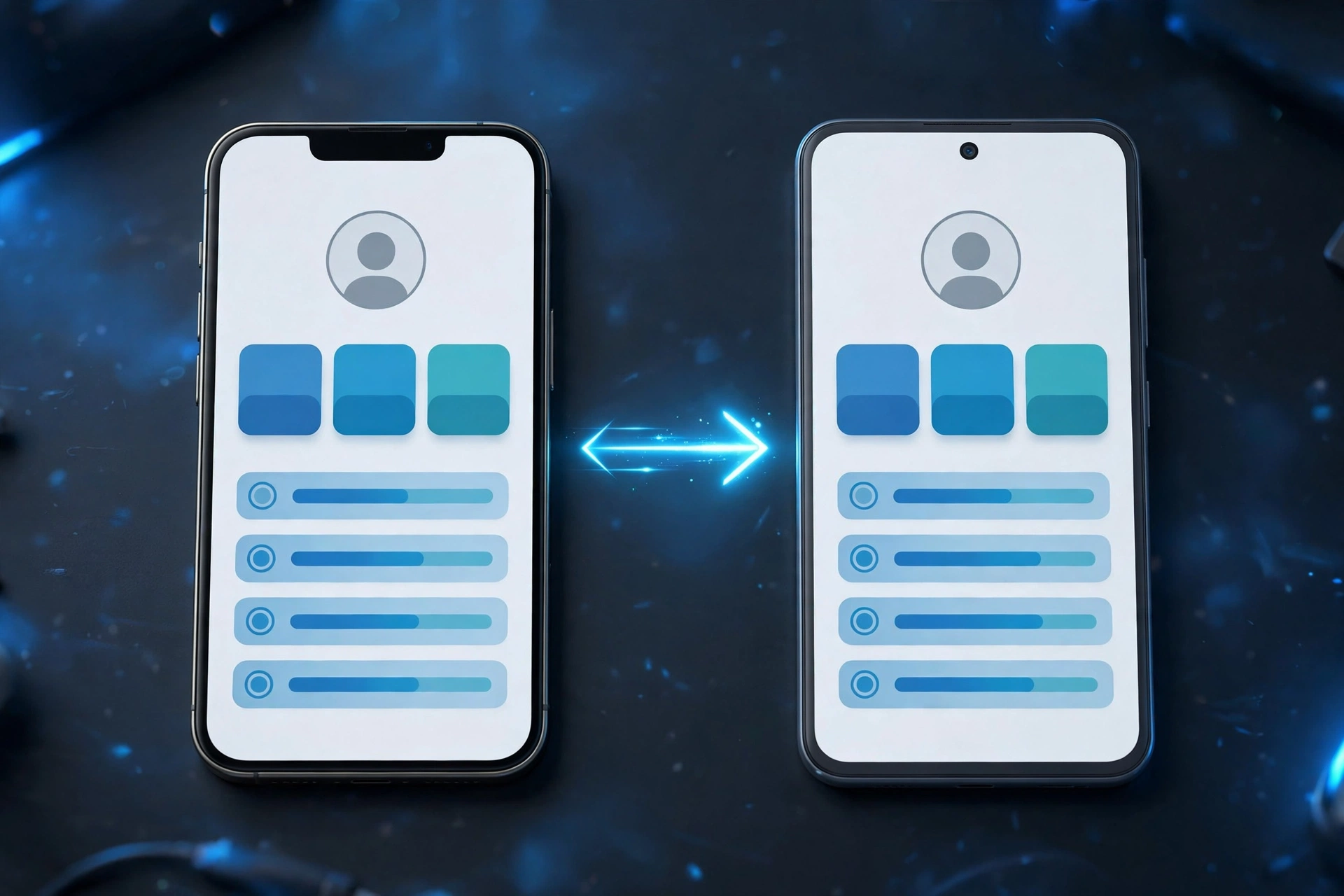
Forty-four days later, Devin had an Android app — built by a Bot. According to Cognition, the Android Bot merged 1,134 pull requests, wrote 344,651 lines of Kotlin and closed 1,217 tickets, all from 183 human messages. The app is now in open testing on Google Play, and the Android Bot still owns the development process end to end, keeping the two platforms in sync as the iPhone version evolves.
The numbers come from Cognition, so they should be read as the company’s own report card rather than an independent benchmark. Even with that caveat, the shape of the story matters: a persistent agent held a multi-week project together with minimal human input, which is exactly the job description of a software engineering manager.
Early Customers: From 50 to 1,900 Pull Requests a Week
Early-access customers include Decagon, Fireworks AI and Reducto, and Cognition says bot usage among them grew tenfold in two weeks. The most extreme example is a mobile game studio run by Jenny Xu, who is the studio’s only human employee and now works with about 20 Bots. Weekly pull requests there climbed from roughly 50 to 1,900, with a small human team overseeing the work.
Those figures also explain the timing. Cognition is now valued at $48 billion after a $2 billion funding round in September 2026, and Fortune reported it passed a $1 billion annualised revenue run rate that same month. Citigroup already has 14,000 engineers using the original Devin. A product that multiplies each engineer’s output by coordinating fleets of agents is an easy pitch to a customer base that large.
Devin Bots vs. OpenAI Dots and Anthropic Duet
Devin Bots arrive after two rival always-on agents shipped in the preceding weeks: OpenAI’s Dots, an always-on proactive agent integrated with Codex, and Anthropic’s Duet, a similar product tied to Claude Code. The three products share a premise — coding agents should run continuously in the background, not wait to be prompted — but they differ in scope.
Dots is a general-purpose agent that lives across your computers and apps, while Duet is built around Claude Code. Devin Bots are built around a coding agent from the ground up, and they coordinate Devin instances specifically. For teams already running Devin at scale, that specialisation is the selling point; for everyone else, it is a reason to compare carefully before committing to one ecosystem.
For teams weighing which ecosystem to commit to, Claude Haiku 5.5 offers a fast, cheaper coding model option, while the K2-Horizon open-model fleet provides another recent open-model option for coding teams.
The broader trend is unmistakable, and it runs through the rest of this week’s news. OpenAI’s GPT-6.2 Astra and Sol launch and Google making Gemini Tasks free both point the same way: AI assistants are becoming agents that complete multi-step work on your behalf. Devin Bots push that logic one step further — agents that manage other agents.
What It Means for Developers and Engineering Managers
For individual developers, the shift is from writing every line to reviewing, directing and owning outcomes. A Devin Bot can keep a repository healthy, chase down failing tests and prepare releases while you focus on architecture and the genuinely hard problems.
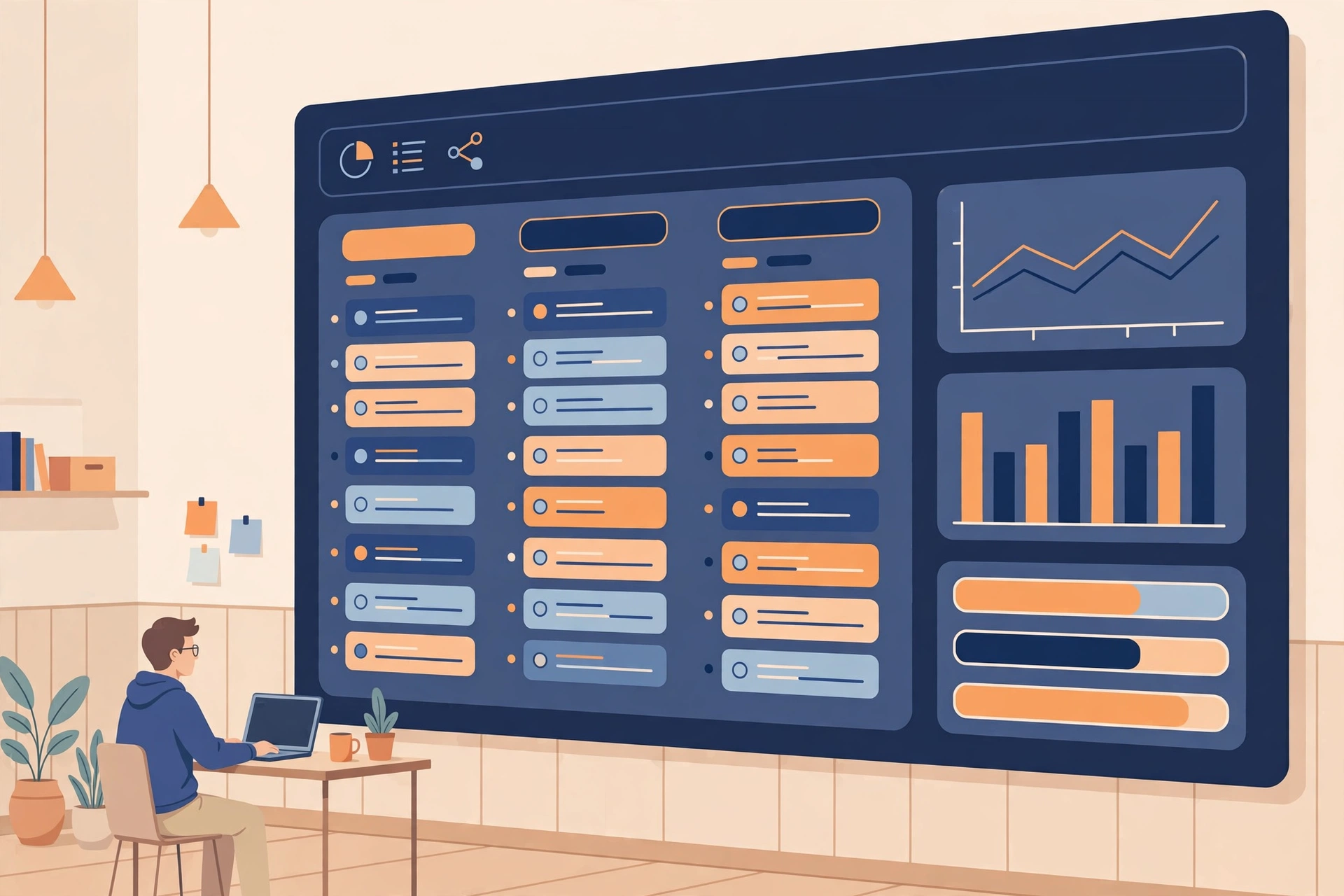
For engineering managers, the change is subtler and more demanding. Managing a fleet of agents means setting clear goals, permissions and review policies — and accepting that the review burden is the real price. Where the work is well specified and well tested, a Bot removes a whole class of tickets. Where it is not, the agent produces something plausible and the review cost lands on a person who did not write the code.
The practical advice from early adopters is consistent: start with a non-critical repository, require human approval for dependency changes, security-sensitive code and production deployments, and judge the Bot on what it can finish unattended, not what it can start.
The Questions Still Open
Devin Bots are a bold idea, but several questions have no public answer yet. Cognition has published no independent benchmarks, so buyers must rely on the company’s own usage stories. There is no separate pricing, which is convenient now but leaves the long-term cost unclear as fleets of agents run for weeks at a time. And the “Needs You” inbox only works if humans actually read it — a manager agent that escalates well is only as safe as the review process around it.
Still, the direction of travel is clear. The coding-agent race began with agents that could complete a task. It is now a race to build agents that can own an outcome. Cognition’s bet is that the next software engineering manager on your team will not be a person — it will be a Bot, with a team of Devins reporting to it and a human deciding where to drive.
Sources: Cognition’s official announcement, the Devin Bots product page, and AI Weekly’s coverage.