Google’s AI assistant just stopped being a chatbot and started being an errand-runner. On November 17, 2026, Google made Tasks in Gemini free for what it calls “hundreds of millions of people” across the United States, Japan, Korea, Canada, Australia and India. Tasks is the part of Gemini that acts instead of chats: it can phone a business, book an appointment, research a purchase and pay for it — and until today, it required a paid Google AI Pro subscription. As Josh Woodward, the vice president who leads the Gemini app, put it in Google’s announcement: “Gemini can now make the calls, pay the bills, and finish your tasks.”
The free rollout runs on Gemini 4 Hydrogen, Google’s new model built for fast agentic work, introduced on November 12. It is a sharp change of pace for a feature that has only just found its name: it launched as Spark Beta in May 2026, was renamed Tasks and folded into the main Gemini app in October, and now — five weeks after it was offered only to paying Pro and Ultra subscribers — it is free in six of Google’s biggest markets.
What Gemini Tasks Actually Does
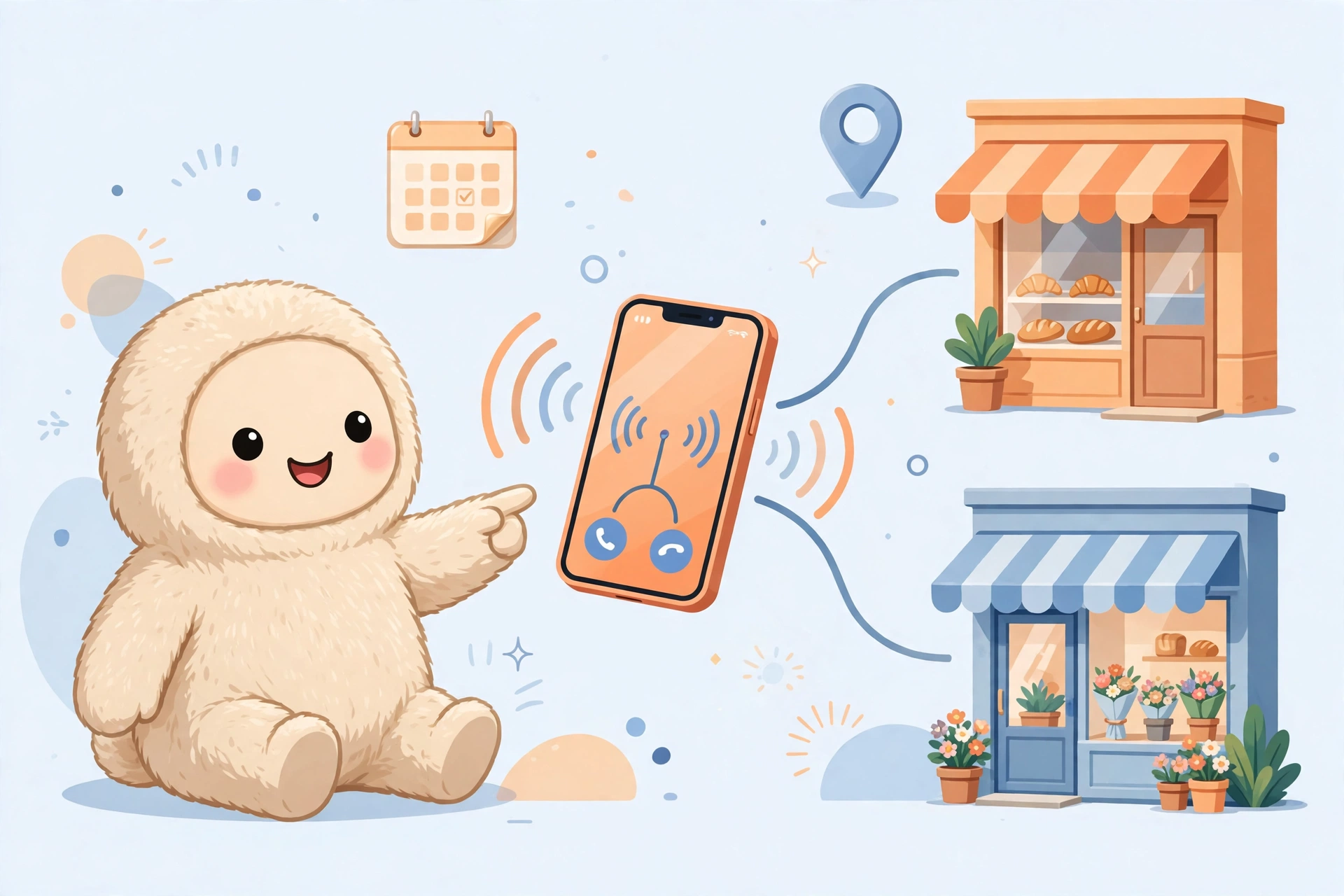
Tasks works through a simple switch on the Gemini home screen: flip the control from Chat to Tasks, describe what you want done, and the agent works in the background and notifies you when it has results. Behind the scenes it runs in dedicated, hardware-isolated virtual machines, so the work it does on websites happens away from your own device. It draws on Google Maps, Calendar, Wallet and Google’s Personal Intelligence system, and connects with more than 60 popular apps.
The examples Google gives are deliberately everyday. Ask it to book a car service and it finds the nearest dealerships on Maps, calls two of them at the same time, checks your calendar and books the appointment. Ask it to sort out an old utility bill and it digs through your email for the statements. Ask it to buy a charger and it researches options through Google’s Shopping Graph, compares them, finds discount codes and checks out. It is the same agentic idea that OpenAI’s computer-use agents in healthcare apply to hospital back offices — only here the back office is your own life, and the rollout is aimed at everyone with a free Google account rather than an enterprise contract.
Calling, Shopping and Paying: The US-First Features

The most eye-catching capabilities are rolling out in the United States first. Gemini can now make phone calls to local businesses on your behalf — in Woodward’s example, calling two car dealerships simultaneously to book an early Friday service appointment. The agent says it is an AI at the start of the call, and businesses can opt out of receiving such calls. Calling is not currently available in Indiana, Louisiana, Minnesota, Montana or Nebraska.
Shopping is where the feature gets genuinely ambitious. Purchases go through Google Pay using the Agent Payments Protocol (AP2), with Mastercard and Visa digital tokens supported and American Express support coming soon. You can set a hard spending cap and Gemini is designed to stay within it; receipts and tracking information land in Wallet, and Google says supported cards keep their rewards and purchase protections. The company also says it plans to integrate the Universal Commerce Protocol, which would carry the same agent from product discovery through checkout. Two more input channels arrive with the same update: you can text Gemini over RCS to update a grocery order — including sending photos of items to add — and you can forward emails for the agent to act on, while Google Password Manager lets it sign into websites with your stored passwords when you approve.
Who Gets It Free, and Who Does Not
The free tier has conditions worth knowing before you switch it on. It requires a personal Google account, users aged 18 or older, and Gemini history turned on; work and school accounts are excluded for now. Outside the six launch countries, Tasks still needs a Pro or Ultra plan, and it is not offered at all in the European Economic Area, Nigeria, Switzerland or the UK — so no European country is in the free rollout.
That split is the most interesting part of the launch. Google is putting an agent that phones businesses, signs into websites and spends money in front of an app with more than a billion monthly users, while keeping it out of the markets with the strictest AI and consumer-protection rules. The contrast with Google’s own house-cleaning the same day is striking: November 17 is also the day of Google’s Opal shutdown, as the company retires one AI experiment and pushes another to hundreds of millions of people.
The Safety Nets — and the Honest Caveats
Google is unusually candid about the limits. Woodward’s post says plainly that the team has tested Tasks extensively to minimise mistakes but has not eliminated all of them, and that tasks can still fail to complete or miss their objective. The agent is designed to ask for confirmation or pre-approval before critical actions such as clicking Buy, and Google says it may navigate most of a website before handing control back so you can click the final button yourself. The blog post does not say how many tasks, phone calls or orders a user can run per day.
That honesty matters, because the stakes here are different from a chatbot giving a wrong answer. An agent that books the wrong appointment or buys the wrong charger costs real time and real money, and the spending cap is the main guardrail between a helpful assistant and an expensive mistake. The same week has shown how fast this space is moving — from GPT-6.2 Astra and Sol cutting frontier-model prices to open-source projects like Cowork letting coding agents share a single task inbox — but Gemini Tasks is the first agentic product of this scale to reach free users, and its mistakes will be the most visible.
Why This Launch Matters
For all the caveats, the direction is clear: the AI assistant is becoming the person who does the errand, not the one who tells you how to do it. Google’s bet is that removing the $19.99-a-month paywall is what turns an impressive demo into a daily habit — and that local businesses, retailers and website operators will increasingly find themselves dealing with Gemini rather than with a person. Whether that feels like convenience or intrusion will depend on how often the agent gets it right, and on whether the confirmation prompts and spending caps hold up when real money is on the line.
For now, the practical advice is simple: try it on a small, reversible errand first, set a spending cap before you let it shop, and keep an eye on the notifications it sends when a task finishes. The agent that calls, shops and pays for you has arrived — free, in six countries, today. For the full details, see Google’s announcement, Unite.AI’s report and The Parameter’s coverage.