
T-Mobile Says No to a SpaceX MVNO Deal: What the Decision Could Mean for Satellite Phone Connectivity
The future of mobile connectivity may not depend entirely on traditional cell towers.
Satellite technology is creating new possibilities for connecting smartphones in places where conventional cellular networks struggle to reach.
Companies such as SpaceX and major wireless carriers are exploring ways to combine satellite networks with existing mobile infrastructure.
But the relationship between satellite providers and wireless carriers is becoming increasingly complicated.
A new development involving T-Mobile and SpaceX has drawn attention after T-Mobile reiterated that it does not intend to pursue a consumer mobile virtual network operator (MVNO) agreement with SpaceX.
The decision raises an important question: How will satellite connectivity fit into the future of mobile networks?
What Is an MVNO Agreement?
An MVNO, or mobile virtual network operator, provides mobile services using another company’s network infrastructure.
MVNOs generally do not operate their own nationwide cellular network.
Instead, they purchase network access from an established carrier and offer services to customers under their own brand.
A potential SpaceX MVNO arrangement would involve a different relationship from a satellite provider simply supplying connectivity to an existing wireless carrier.
The distinction is important because network partnerships can influence pricing, customer ownership, infrastructure investment, and the competitive position of wireless companies.
Why Is SpaceX Interested in Mobile Connectivity?
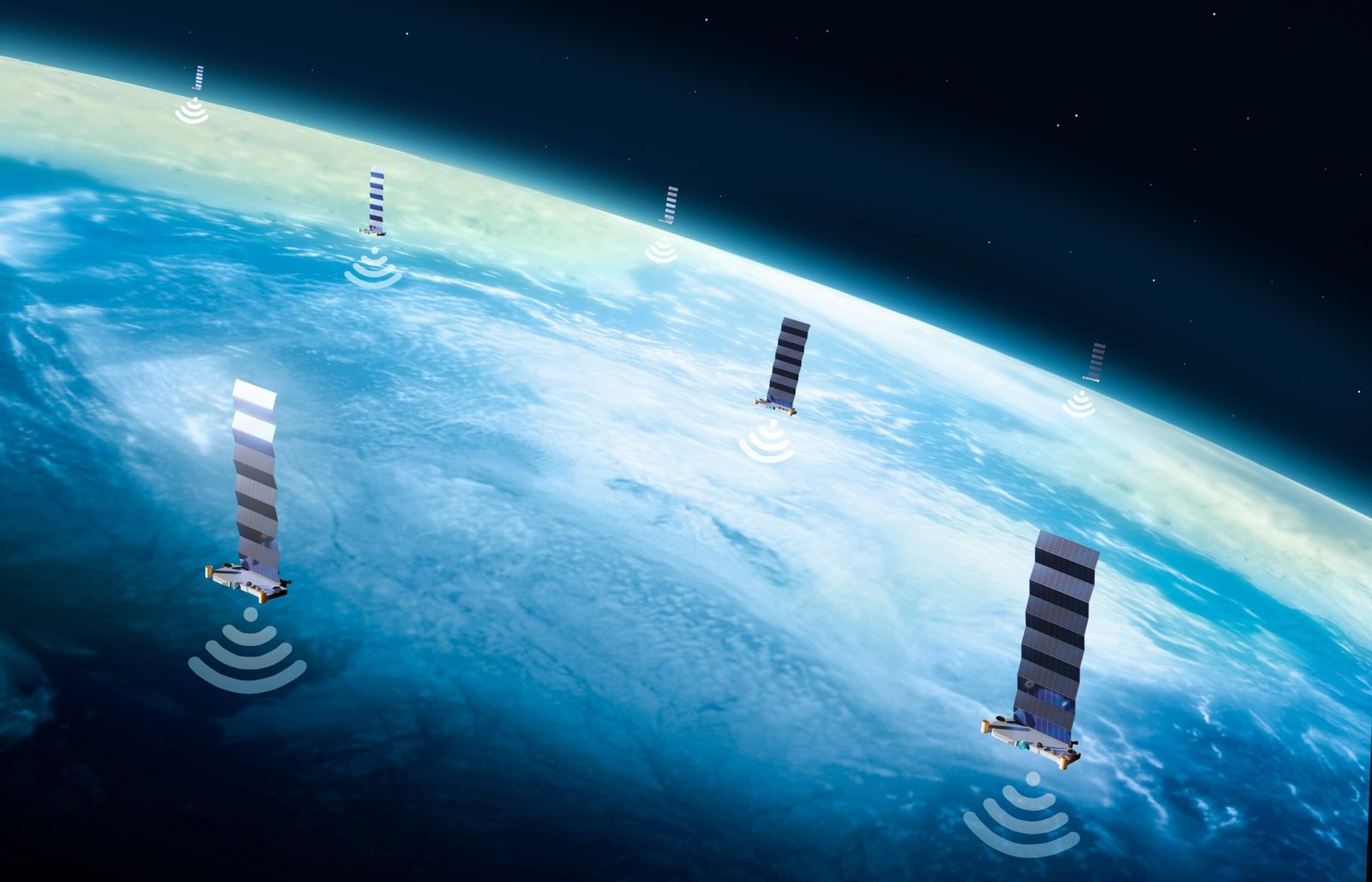
SpaceX operates Starlink, a satellite internet service designed to provide connectivity across a wide range of geographic locations.
Its direct-to-cell technology aims to extend connectivity to compatible mobile devices through satellites.
The idea is particularly attractive for:
- Rural communities
- Remote highways
- Areas with limited cellular infrastructure
- Outdoor activities and emergency situations
- Regions where building conventional cell towers is difficult
Satellite connectivity could complement terrestrial cellular networks by providing service in areas that are difficult or expensive to cover.
Why Would T-Mobile Reject an MVNO Deal?
Wireless carriers have their own strategic priorities.
T-Mobile has invested heavily in its cellular infrastructure and is developing its future network strategy.
A consumer MVNO arrangement with SpaceX could create questions about customer relationships, network economics, and competitive positioning.
The carrier may prefer to develop its own network capabilities and maintain control over its mobile service strategy.
However, rejecting an MVNO arrangement does not necessarily mean rejecting satellite technology altogether.
Satellite partnerships and direct-to-cell services can take several forms.
A company may cooperate with a satellite provider for specific connectivity capabilities without entering into a broader MVNO agreement.
What Does This Mean for Starlink?
SpaceX’s satellite network could continue expanding through different business models.
Satellite operators may work with carriers, provide connectivity directly to customers, or develop partnerships focused on particular regions and services.
The commercial challenge is finding a sustainable model.
Satellite connectivity must compete with existing mobile infrastructure while also providing value in locations where conventional networks have limitations.
Could This Change the Future of Mobile Phones?
The broader direction of the telecommunications industry is moving toward integrated networks.
Future mobile connectivity may combine:
- Traditional cell towers
- Satellite communication
- Wi-Fi networks
- Advanced network management
- AI-driven infrastructure optimization
Rather than replacing cellular networks entirely, satellites may become another layer of connectivity.
For consumers, the most important question is whether these developments will improve coverage, reliability, and affordability.
What About 6G?
T-Mobile has also discussed its ambition to lead the United States in 6G deployment.
Industry expectations generally place early commercial 6G development around the end of this decade, although actual timelines remain uncertain.
6G is expected to explore new capabilities involving sensing, communications, automation, and advanced network architecture.
Satellite connectivity could become part of this broader ecosystem.
However, it is too early to conclude exactly how satellite providers and mobile carriers will structure their future partnerships.
Frequently Asked Questions
Did T-Mobile reject SpaceX completely?
The reported development concerns a consumer MVNO arrangement. It should not automatically be interpreted as a rejection of every form of satellite connectivity or cooperation.
What is an MVNO?
An MVNO is a mobile operator that provides services using another company’s network infrastructure.
Can Starlink connect directly to smartphones?
SpaceX’s direct-to-cell technology is designed to provide connectivity to compatible mobile devices through satellites, subject to service availability and technical limitations.
Will satellite phones replace cellular networks?
Satellite connectivity is more likely to complement terrestrial networks than replace them entirely.
Conclusion
The relationship between T-Mobile and SpaceX reflects a larger transformation in telecommunications.
Satellite networks are becoming an increasingly important part of the connectivity landscape, but commercial partnerships remain complex.
The companies that successfully combine terrestrial and satellite infrastructure may help shape the next generation of mobile communication.
For consumers, the ultimate benefit could be better connectivity in places where traditional mobile networks have struggled to provide reliable service.
Editorial note: T-Mobile’s position on a consumer MVNO deal should be distinguished from any existing or future satellite-connectivity arrangements. Verify the latest carrier announcements before publication.