For decades, the idea of “the end of the world” was a fringe preoccupation, relegated to street-corner preachers and low-budget sci-fi movies. But today, something has shifted. Apocalyptic anxiety is no longer a subculture; it is the cultural baseline. From the “prepper” movement going mainstream to the pervasive sense of dread on social media, the feeling that history is reaching some kind of climax is now everywhere.
This is not just a mood. In a 2022 survey, the Pew Research Center found 39% of U.S. adults believe we are living in the end times — a striking number for a belief that was once confined to the margins. And the behaviour has followed the belief: around 20 million Americans now identify as preppers, roughly double the figure from 2017, stockpiling food, water and supplies against disasters that once seemed unthinkable. The numbers behind the movement are tracked in these prepping statistics, which show a community that has grown from a fringe hobby into a mainstream market.
Why has the “End of Days” become a bipartisan, multi-generational obsession? The answer lies in a perfect storm of secular crises and spiritual hunger.
The Death of the “Slow Progress” Narrative
For most of the 20th century, the dominant American narrative was one of steady, inevitable progress. We believed that technology would get cleaner, medicine would get better, and democracy would spread to every corner of the globe.
Today, that narrative has collapsed. For many, the future no longer looks like a shiny utopia; it looks like a resource-depleted wasteland. When you combine the visceral reality of record-breaking heatwaves with the instability of the global economy, it is not hard to see why the “end” feels so close. The promises that held the story together — that each generation would live better than the last, that hard problems would eventually be solved — no longer feel guaranteed. And once a culture stops believing in tomorrow, the idea of an ending starts to feel like the only honest story left. Even a single event can feed the fear: how a future solar storm could hit Earth and knock out the internet is the kind of scenario that makes the modern world feel one accident away from darkness.
The Algorithm of Doom
We cannot ignore the role of the digital age in fueling this fire. In the past, if you wanted to read about the apocalypse, you had to seek it out. Now, the apocalypse seeks you.
Algorithms are designed to prioritize high-arousal emotions, and nothing triggers an emotional response quite like fear. Whether it is a viral clip of a civil unrest or a thread about “societal collapse,” we are constantly being fed a diet of doom. This constant exposure does not just reflect our anxiety; it amplifies it. The phone in your pocket is a slot machine of catastrophe: every refresh offers a new fire, flood, war or warning, and the feed never runs out. Small wonder that many people now describe themselves as doomscrollers — and that one writer’s 90 days without Instagram reads like a detox story, not a lifestyle experiment.
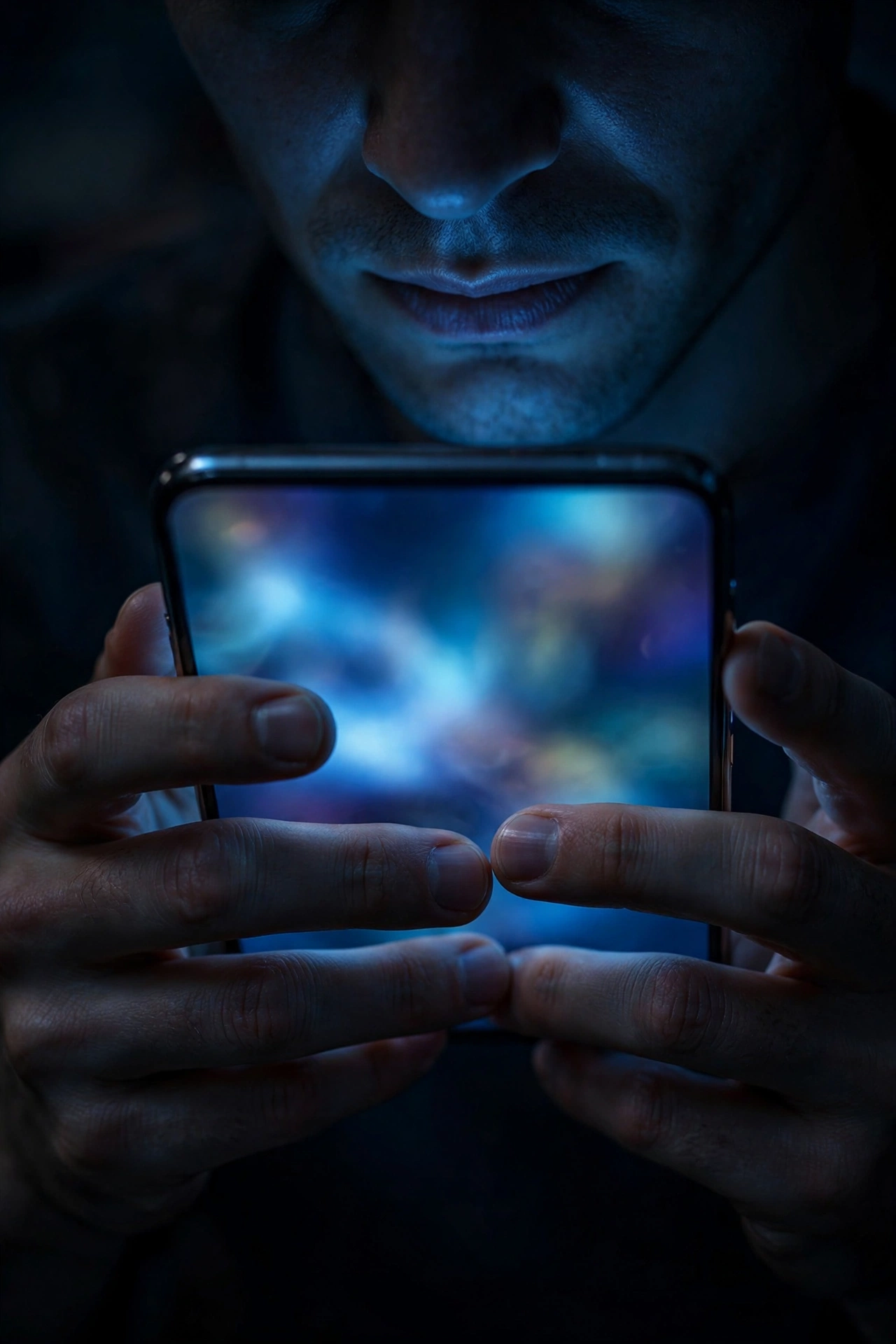
The effect is cumulative. A single alarming headline is easy to dismiss; ten thousand of them, delivered over years, rewire what feels normal. The world starts to look like a place where disaster is not the exception but the rule — and once that impression sets in, no amount of good news can dislodge it, because good news does not go viral.
The Convergence of Religion and Politics
In America, the apocalyptic impulse has deep religious roots. For tens of millions of evangelical Christians, “the Rapture” is a literal event they expect to see in their lifetimes. Historically, this was a spiritual belief about salvation.
However, in recent years, this theology has fused with political identity. Political losses are no longer seen as temporary setbacks but as signs of a “final battle” between good and evil. This “apocalyptic politics” makes compromise feel like a betrayal and makes democratic norms feel expendable. When an election is framed as the last chance to save the country, losing it cannot be accepted as ordinary politics — it has to be a catastrophe, a theft, or a sign of the times. That is why the same language of endings now shows up on both sides of the aisle, in pulpits and on podcasts, in campaign ads and in comment sections: the other side is not wrong, it is evil, and evil must be defeated, not debated.
The fusion runs deeper than rhetoric. Once politics becomes a holy war, every institution becomes a battlefield — schools, courts, newsrooms, even the weather. And the same apocalyptic frame now colours debates that have nothing to do with religion, from the dark side of AI to whether AI will take your job: every new technology is either salvation or doom, with nothing in between.
The Comfort of the End
Perhaps the most uncomfortable truth about the apocalyptic boom is that the end of the world can be… comforting.
When a problem feels too big to solve — climate change, inequality, political polarization — it is psychologically easier to believe that the world will simply end than to do the hard, slow work of fixing it. An ending promises release: no more bills, no more elections, no more slow decay. It also absolves us of responsibility — if the world is doomed anyway, why bother voting, recycling, or saving? The apocalypse is the ultimate excuse, dressed up as prophecy. It lets us grieve for a future we never have to build, and it turns anxiety into certainty: at least we know how the story ends, even if the ending is terrible.
The Danger of the Final Act
What makes this obsession dangerous is not just that it is wrong; it is that it is self-fulfilling. A society that believes its time is up stops investing in the future. We stop funding education, we stop repairing infrastructure, and we stop preparing for the very challenges we fear.
The refusal to plan becomes its own prophecy. A town that expects to be abandoned stops fixing its roads; a generation that expects collapse stops saving for retirement; a government that expects the end stops funding the research that might prevent it. The neglected repairs pile up, the systems grow more fragile, and each new failure feels like proof that the end was inevitable all along. It is a loop, and it is the most dangerous idea in American culture today — not because the apocalypse is coming, but because acting as if it is makes the future worse. And if we ever do face a catastrophe, the question will not be whether the world ended, but could life survive a disaster that ends humanity — and what we did, or failed to do, before it arrived.
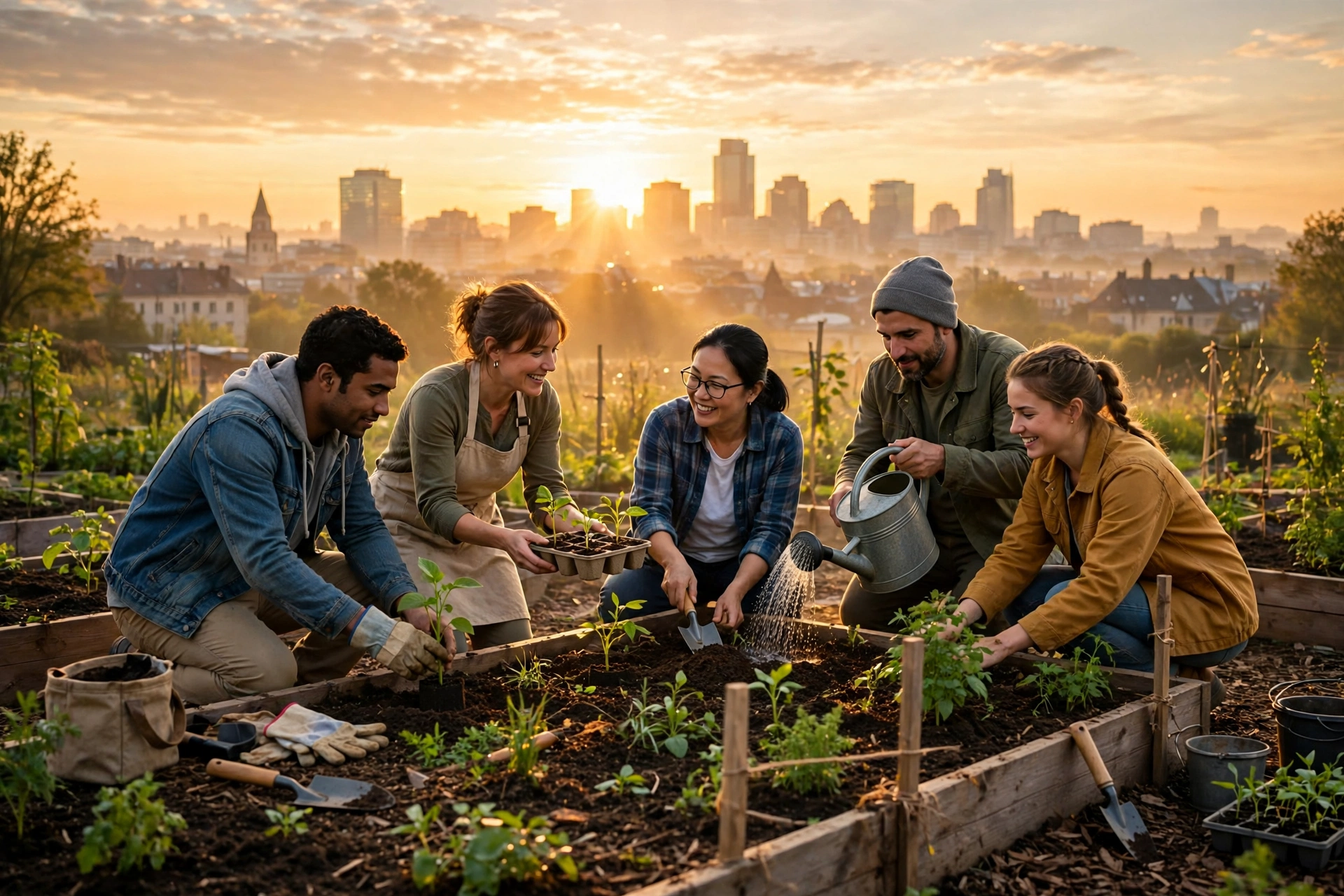
Breaking the loop starts with something small and stubborn: planting the garden, fixing the roof, teaching the child, saving for a future we cannot yet see. None of those acts prove the world will be fine. They simply refuse to act as if it is already over — and that refusal, repeated often enough, is what a future is made of.
Conclusion
We are a nation that has lost its sense of “tomorrow.” The apocalyptic obsession is not a reflection of the world’s actual trajectory; it is a reflection of our collective anxiety. It is a coping mechanism for a generation that feels overwhelmed by the pace of change, the scale of global challenges, and the erosion of trust in our institutions.
But the future is not a script that has already been written. It is a choice we make every day — in the stories we tell, the leaders we elect, and the investments we make in our shared tomorrow. The end may be a better story, but the continuation is a better reality.