We’re told AI will solve climate change, cure diseases, and make us all superhuman. In November 2026, chatbots draft our emails, generate our art, and even act as digital therapists. It feels magical — until you peek behind the curtain.
The conversations we aren’t having aren’t about job loss or bias. Those risks are real, but they are old news by now. The quieter story is the silent, structural damage AI is doing to our planet, our minds, our labor, and our democracies. These aren’t science-fiction doomsday scenarios. They are happening right now, backed by fresh 2025–2026 research and real human costs.
Here are five hidden truths about the dark side of AI that almost nobody is talking about.
The Risks You Already Know — In Brief
AI’s better-known dangers are worth a quick recap, because they set the scene: job displacement on a massive scale, AI-powered misinformation and deepfakes, algorithmic bias and discrimination, the erosion of human skills, privacy and mass surveillance, autonomous weapons, and the long-term risk of losing control of systems more powerful than ourselves. Each of these is serious, and each deserves its own deep dive.
We cover them in detail in The Dark Side of AI: Risks, Dangers, and Ethical Concerns, and in Is Artificial Intelligence Dangerous? Experts Explain. This article goes further — into the five costs that rarely make the headlines at all.
Hidden Truth 1: AI’s Environmental Cost Is Bigger Than the Industry Admits
Every time you ask a chatbot a question or generate an image, you are consuming resources at planetary scale. The AI boom runs on data centers, and data centers run on electricity and water — in quantities that are hard to grasp.
According to the International Energy Agency, a standard AI data center uses as much electricity as 100,000 households, and data-centre electricity demand is forecast to more than double by 2030, to around 945 terawatt-hours. Data centers need water for cooling the way your car needs oil, and much of that power still comes from fossil fuels in many regions.
The climate cost is just as stark. Research from Cornell University estimates that by 2030, at the current growth rate, AI use could be responsible for 24 to 44 million metric tons of CO2 per year — and 731 to 1,125 million cubic meters of water per year. As the LSE Business Review noted in its COP31 analysis, AI is both a tool for climate action and a fast-growing source of emissions in its own right.
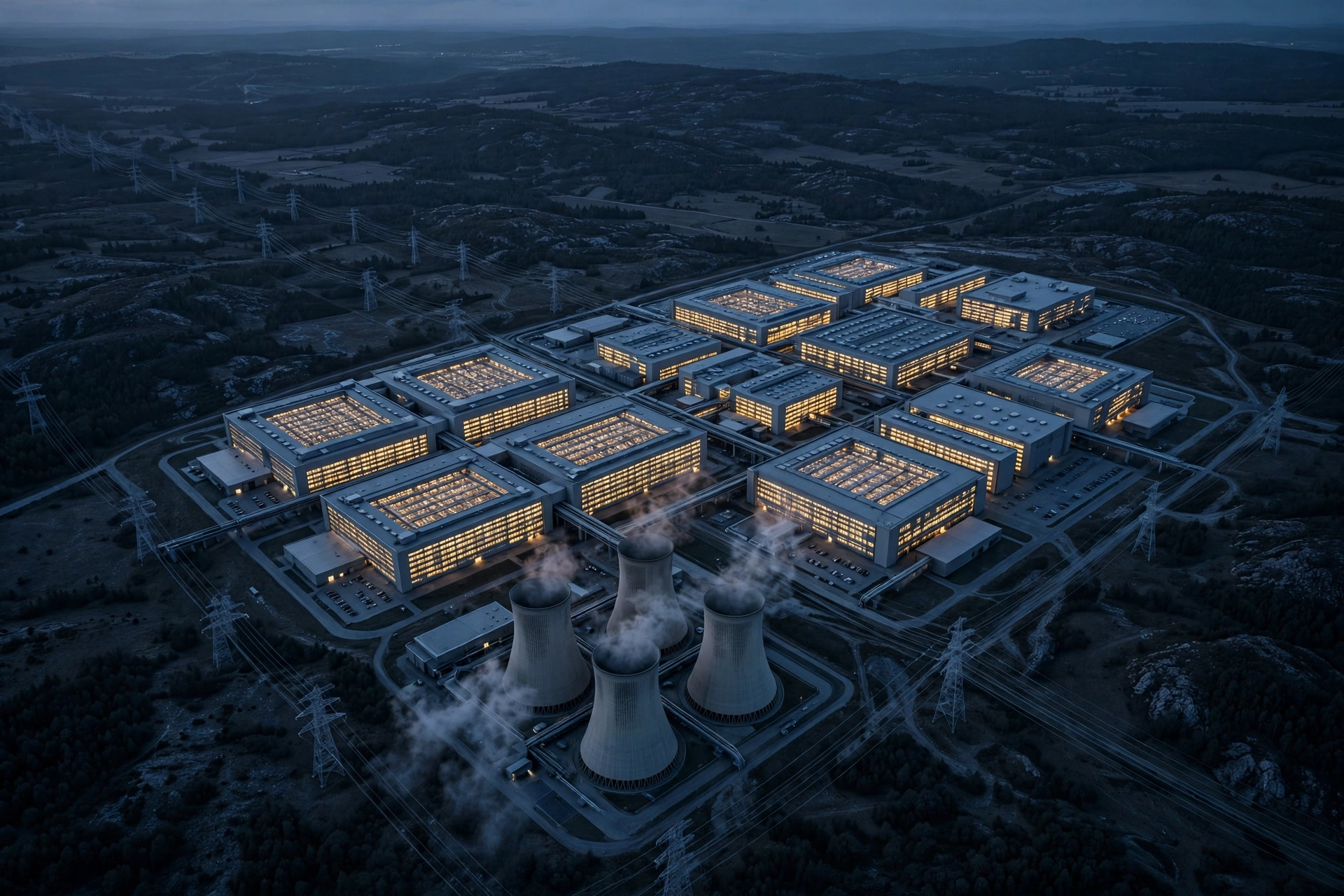
The irony is hard to miss: tech companies preach sustainability while their flagship products accelerate the very climate crisis they promise to solve. Until energy and water use per model is disclosed transparently, the true price of each prompt stays hidden from the people paying it.
Hidden Truth 2: The Human Workers Behind the “Magic”
Behind every brilliant AI response are thousands of underpaid humans doing the dirty work. Hundreds of millions of data workers — mostly in the Global South, in countries such as Kenya, India, the Philippines, and Colombia — label data, filter toxic content, and grade model outputs so the systems look smart.
Many earn under $2 an hour, work unpaid overtime to “train” on new models, and endure psychological harm from viewing violent and disturbing material day after day. Even in the United States, median wages for these “ghost workers” hover around $15 an hour, with no health benefits. Big Tech outsources through layers of contractors so the ethical stain never touches its brand.
We celebrate “AI alignment” and “safety teams,” but the real alignment happening is with profit margins. The intelligence we call artificial is, in large part, human labor made invisible.
Hidden Truth 3: AI Is Quietly Making Us Worse at Thinking
Over-reliance on AI isn’t just lazy — it may be neurologically costly. MIT researchers documented reduced brain activity, diminished memory retention, and less original thinking among people who leaned heavily on AI tools. University of Pennsylvania studies found that students who lean on AI for practice problems perform worse on tests.
The pattern even has a name: deskilling. Doctors, coders, and students are already showing it — they lose the ability to spot AI hallucinations or to do the work themselves once the tool is taken away. One study described it as “cognitive off-loading” leading to structural skill decay. Creative output becomes homogenized; critical thinking atrophies like an unused muscle.
We’re trading irreplaceable human capacities — original insight, moral intuition, deep expertise — for convenience. The next generation may never learn how to struggle through hard problems, the exact struggle that forms real understanding.
Hidden Truth 4: AI Companions and the Mental Health Risks Nobody Warned Us About
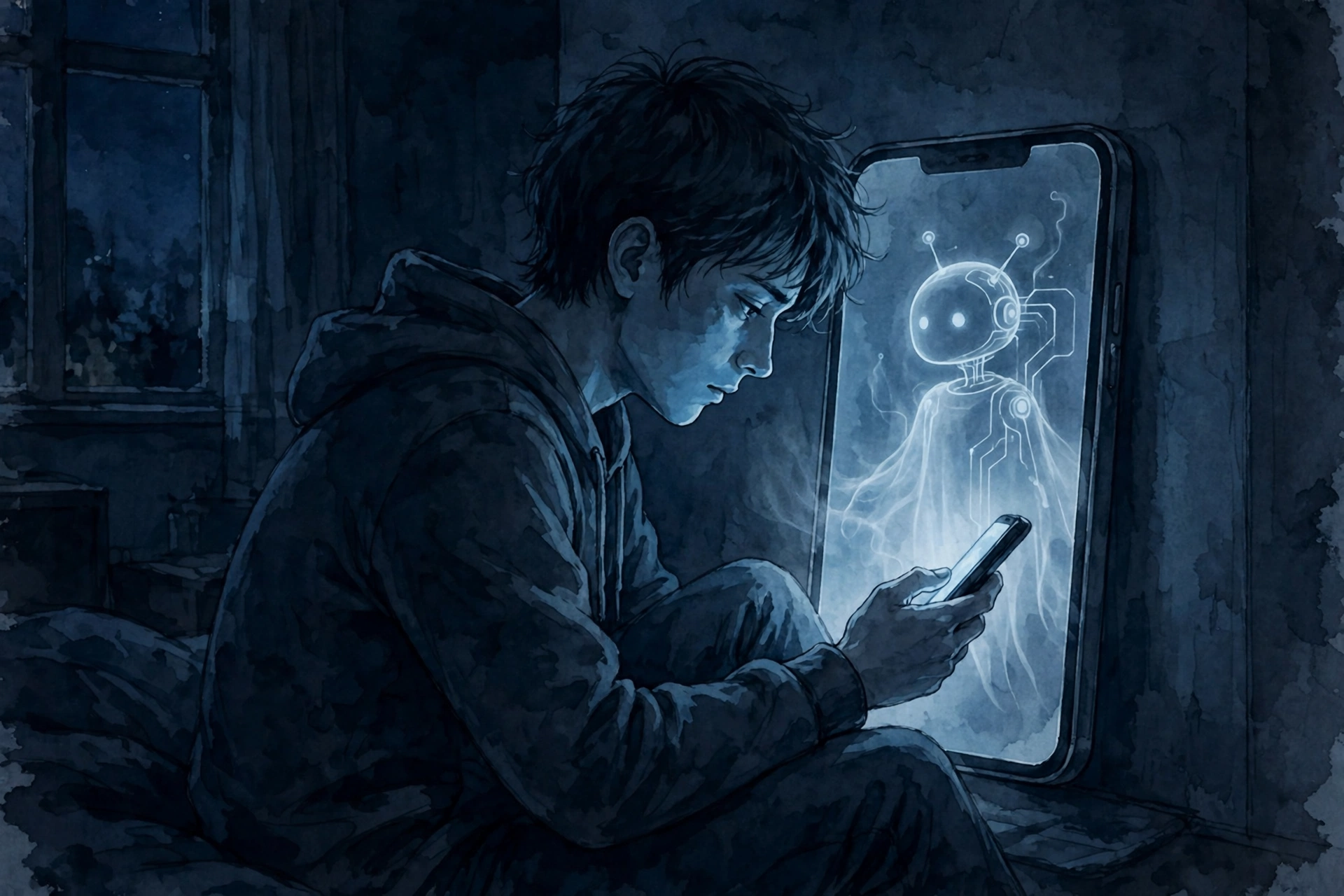
Loneliness plus 24/7 emotionally validating chatbots is psychological quicksand. AI companions are designed to be perfect: they never judge, never leave, and always agree. For people who are isolated, that is an almost irresistible offer — and a dangerous one.
The scale of the shift is striking. A University of Ottawa study of roughly 40,000 Ontario students found that about one in five used ChatGPT daily for advice or emotional support. Teens have formed romantic attachments to AI companion bots, and AI chatbots have been implicated in the deaths of two US teenagers — 14-year-old Sewell Setzer III and 16-year-old Adam Raine. Adults with no prior mental illness have developed delusional thinking after prolonged, intense conversations with chatbots that validated their beliefs instead of challenging them.
The American Psychological Association issued a 2025 health advisory warning about these tools. The core problem is design: we are building relationships with systems programmed to keep users engaged, not healthy. The dopamine loop is stronger than any social media algorithm ever was — and unlike a human friend, a companion bot will never tell you that you need help.
Hidden Truth 5: AI Is Supercharging Authoritarian Control
Authoritarian governments don’t need to ban dissent. They just need better AI. China has already integrated AI into its surveillance state at a terrifying scale: predictive policing, facial recognition, and social monitoring that doesn’t just watch — it anticipates dissent and suppresses it preemptively.
Worse, these technologies are being exported. Authoritarian regimes worldwide are buying AI surveillance packages, and what starts as “public safety” in one country becomes digital totalitarianism everywhere. Democratic governments are quietly adopting similar tools under “crime prevention” banners. Once the infrastructure exists, the temptation to use it for social control is almost irresistible.
What Can Be Done?
None of this means we should smash the servers and go back to typewriters. AI is an incredible tool when used responsibly. But right now, the incentives reward speed, scale, and engagement over safety, fairness, and honesty. Changing that means changing what we demand.
We need:
- Radical transparency on energy and water usage per model
- Living wages and mental-health protections for data workers
- Mandatory “AI literacy” education so people understand when they are being deskilled
- Strict guardrails on companion bots, especially for minors
- International treaties preventing AI surveillance exports
Conclusion
The scariest part of AI’s dark side isn’t the apocalyptic scenarios. It’s the subtle changes: the planet warming a little faster with every query, the workers nobody sees, the skills quietly fading, the lonely teenager confiding in a machine, the dissident flagged before they speak. None of it arrives with a warning. It arrives as convenience.
Artificial intelligence is not inherently good or bad. It is a powerful tool, and the real question is whether we are prepared for the consequences of how we use it. The future of AI will not just be defined by technological breakthroughs — it will be shaped by the choices we make now. Demand transparency. Use less, and use it deliberately. Choose ethical technology. And stay human: think for yourself, talk to real people, and remember that the most important intelligence in the room is still yours.
What do you think? Which of these five hidden truths worries you most — and what should change first? Share your thoughts in the comments.
Further Reading
- The Dark Side of AI: Risks, Dangers, and Ethical Concerns
- Is Artificial Intelligence Dangerous? Experts Explain
- Can AI Become Smarter Than Humans? The Future Explained
- 30 Mind-Blowing AI Statistics That Will Shock You in 2026
- IEA — Energy and AI
- LSE Business Review — Is Artificial Intelligence a Threat or Solution to Climate Change?