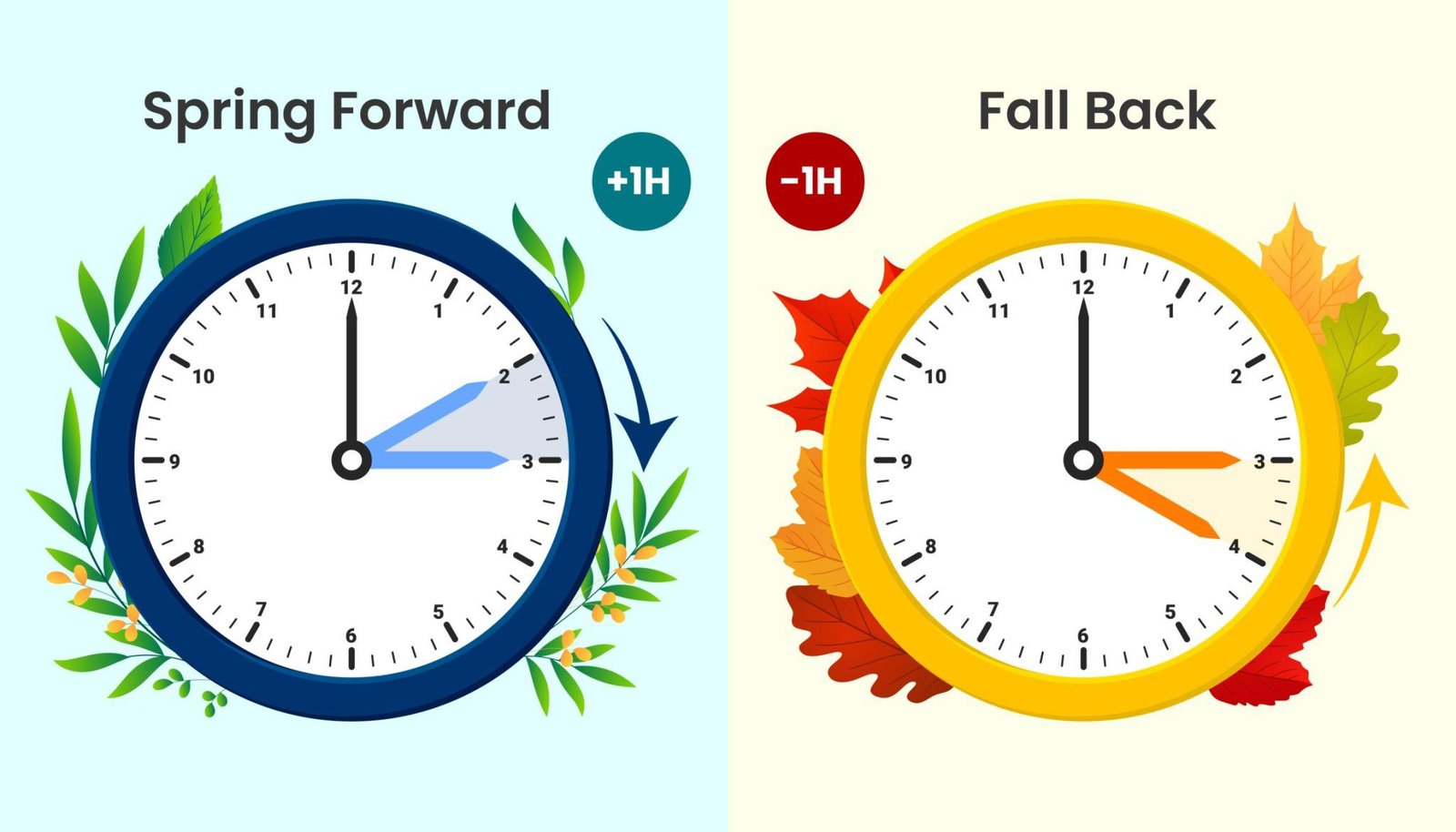
Every year, millions of Americans adjust their clocks for daylight saving time. Some welcome the longer evening daylight, while others believe the twice-yearly clock change has become unnecessary.
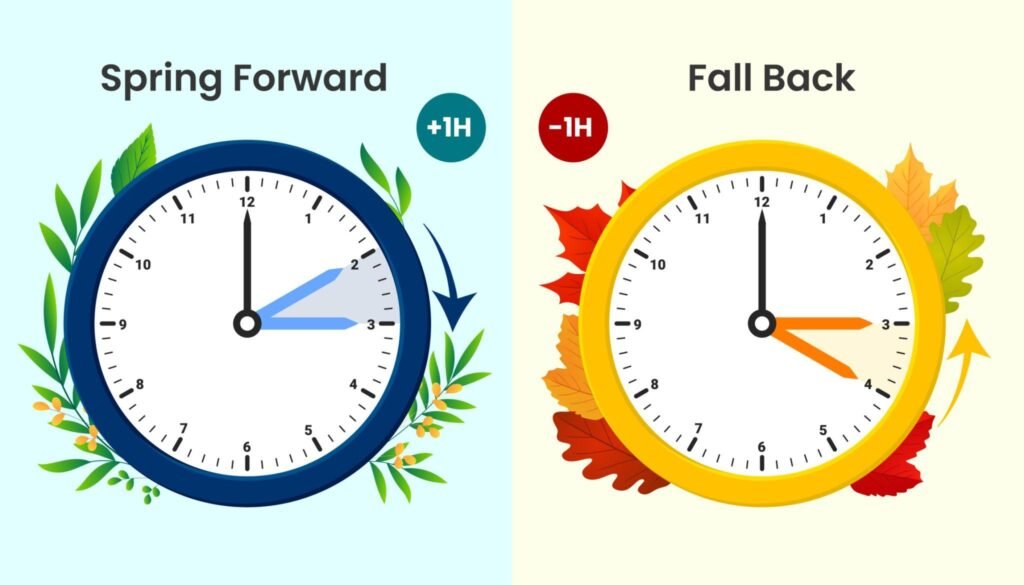
The debate over permanent daylight saving time is gaining attention again.
But what would happen if the United States stopped changing its clocks altogether?
What Is Permanent Daylight Saving Time?
Daylight saving time is the practice of moving clocks forward by one hour during part of the year.
Under the current system, most of the United States:
- Moves clocks forward in March.
- Returns clocks to standard time in November.
Permanent daylight saving time would keep clocks on the daylight-saving schedule throughout the year.
Permanent standard time would do the opposite, keeping clocks on standard time year-round.
Although the two proposals sound similar, they would create very different winter mornings and evenings.
Why Do People Want Permanent Daylight Saving Time?
Supporters argue that longer evening daylight could make everyday life more enjoyable.
Potential benefits include:
More daylight after work: People may have additional opportunities for outdoor activities, exercise, and family time.
Retail and recreation: Businesses that depend on evening customers may benefit from more daylight.
Fewer clock changes: Eliminating seasonal adjustments could make scheduling easier.
However, the benefits are not guaranteed to be the same for every region.
What Are the Concerns?
One of the biggest concerns is winter mornings.
Under permanent daylight saving time, sunrise would occur later in many locations. This could mean children traveling to school and employees commuting to work would experience darker mornings.
Sleep researchers have also raised concerns about maintaining daylight saving time throughout the year because standard time generally aligns more closely with the body’s natural circadian rhythm.
Will the United States Make the Change?
The debate involves federal legislation, public opinion, and differences between states.
A permanent nationwide change would require a clear legal framework. States also have different daylight patterns, making the issue more complicated than simply moving every clock forward or backward.
Final Thoughts
Permanent daylight saving time is not just a debate about clocks.
It is a discussion about sleep, safety, productivity, family schedules, and how Americans use daylight.
The best solution may depend on whether people prioritize brighter evenings, brighter mornings, or eliminating the clock change altogether.