
OpenAI has launched ChatGPT for Accounting, a new workspace built to take the busywork out of bookkeeping. Announced on November 18, 2026, it arrives just one day after ChatGPT for Sales, and it marks the second step in OpenAI’s push to turn ChatGPT from a general chatbot into a set of job-specific tools that work inside the software businesses already use.
The idea is simple: instead of copying figures between email, spreadsheets and a ledger, accountants and small business owners can ask ChatGPT to do the first pass — drafting invoices, matching bank transactions and preparing month-end reports — while a human still signs off on every entry before anything is posted.
What ChatGPT for Accounting Actually Does
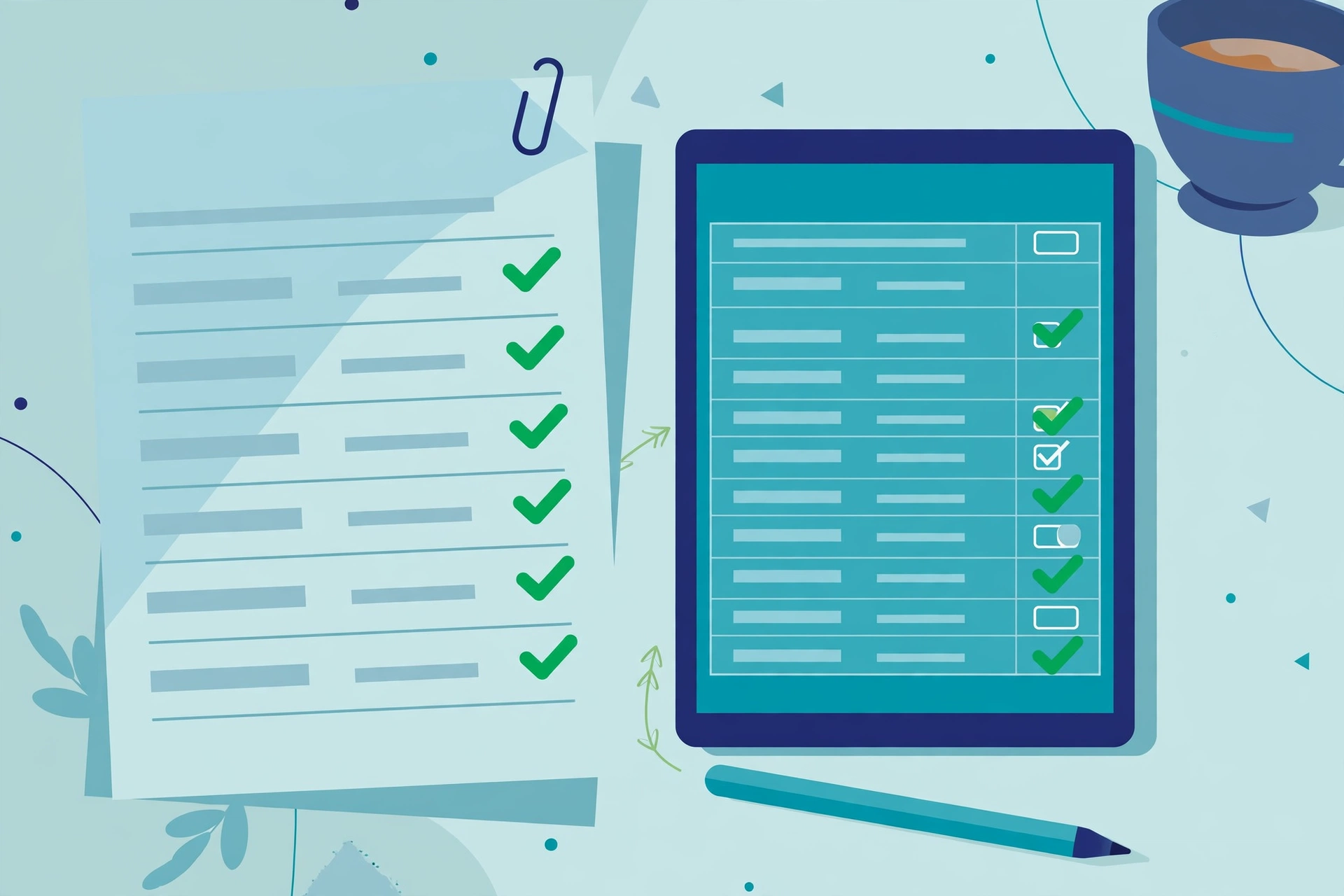
The launch centers on a first-party OpenAI Accounting plugin that structures four recurring finance workflows. First, it prepares draft journal entries and customer invoices from emails and receipts, suggesting account codes and holding anything unclear for review. Second, it gathers statements and payment records to speed up bank reconciliation. Third, it compares workpapers against supporting documents to flag duplicates, missing fields and unexplained variances. And fourth, it saves a firm’s monthly closing instructions as reusable skills, so the same routine does not have to be explained from scratch every month.
For apps without a native plugin, ChatGPT’s computer-use capability steps in, operating legacy or specialist accounting software on the user’s behalf. That matters because accounting teams rarely run on a single system: the average firm juggles a ledger, a payroll tool, an expenses app and a pile of emailed receipts.
QuickBooks, Xero, NetSuite and More: The Connector Lineup

Alongside its own plugin, OpenAI is shipping partner connectors for Intuit QuickBooks, Xero, Oracle NetSuite (including a NetSuite QuickStart option), BILL, FreshBooks, Rillet and Campfire. Xero’s integration, announced the same day, focuses on month-end close review, client portfolio review and quarterly review preparation, and is currently available in the United States.
The breadth of the list is the point. QuickBooks dominates small-business bookkeeping, Xero is strong with accountants and their clients, and NetSuite serves larger firms — so the launch covers the three tiers of the market in one move rather than betting on a single ecosystem.
Humans Still Approve Every Entry
The most important design choice is also the most reassuring one for a profession built on accuracy: every draft entry waits for human sign-off before it is posted to the books. ChatGPT prepares; it does not publish. Workspace administrators control which accounting connectors are enabled, and individual users connect with their existing app permissions, so the AI only sees what the person using it is already allowed to see.
OpenAI also says ChatGPT Business and Enterprise data is excluded from model training by default — a detail that matters when the data in question is a company’s financial records. For firms weighing adoption, that default, plus the approval step, is the difference between a useful assistant and an unacceptable risk.
The Bigger Picture: AI Moves Into the Back Office
ChatGPT for Accounting is not arriving in a vacuum. A day earlier, BlackLine announced a partnership to bring OpenAI models into its Agentic Financial Operations platform, which is used by nearly 4,300 organisations. And in October 2026, a study by Mercor put a frontier AI model head-to-head with 12 licensed US CPAs on defined accounting tasks, with the AI reportedly meeting nearly all of them in a fraction of the time and cost. The direction of travel is clear: the routine, rules-based half of accounting is becoming machine work, and the human half is shifting toward review, judgement and advice.
That shift is also visible across the wider AI market. Google’s Gemini 4 Neon launched the same day with a pitch aimed squarely at enterprise coding and knowledge work, while Microsoft’s MAI Code 2 and MAI Cyber 2 Flash models target agentic coding and security. The race is no longer about who has the smartest general model — it is about whose model does a specific job best.
What It Costs and Who Gets It
OpenAI has not announced API or commercial pricing for ChatGPT for Accounting, and the announcement does not spell out exactly which plan tiers get access first. That is worth knowing before planning a rollout: the capability is real, but the price of putting it in front of a whole finance team is still an open question. Xero’s version is available in the US now, with wider availability presumably to follow.
For small businesses, the more relevant question may be simpler. Google’s Gemini Tasks recently went free with the ability to call, shop and pay on a user’s behalf, and AI tools for professionals are now arriving faster than most teams can evaluate them. Accounting is simply the latest everyday workflow to get an AI copilot — and one of the most consequential, because it touches real money.
What to Watch Before You Hand Over the Books
Three caveats deserve attention. First, the announcement does not say how much of each task the plugins can handle end to end, so early users should expect to review plenty of drafts. Second, connectors vary in scope — some are read-only, some can write to the ledger — so firms should check what each one is allowed to do before switching it on. Third, AI-generated drafts are only as good as the documents they are built from, so messy receipts and inconsistent coding will still produce messy drafts.
None of that makes the launch less significant. Month-end close is the most dreaded week in accounting, and a tool that can draft the invoices, match the transactions and flag the variances before a human ever opens the ledger is a genuine time saver. The firms that benefit most will be the ones that treat ChatGPT as a diligent junior colleague — fast, tireless, and always checked — rather than as a replacement for the accountant.
ChatGPT for Accounting is available now. Whether it becomes as routine as the spreadsheet depends on pricing, on how well the connectors hold up under real workloads, and on whether accountants trust the drafts enough to stop double-checking every line. The approval step, at least, suggests OpenAI knows exactly where that trust has to be earned.
Related reading: Google Genie 4

