Sometimes, the people who change our lives the most are the ones who never ask for recognition.
When we hear the word hero, we often imagine someone performing a daring rescue, standing up against injustice, or doing something extraordinary in front of a crowd. We picture people whose names appear in newspapers and whose stories inspire millions.
But what if some of the most meaningful heroes are living right next door?
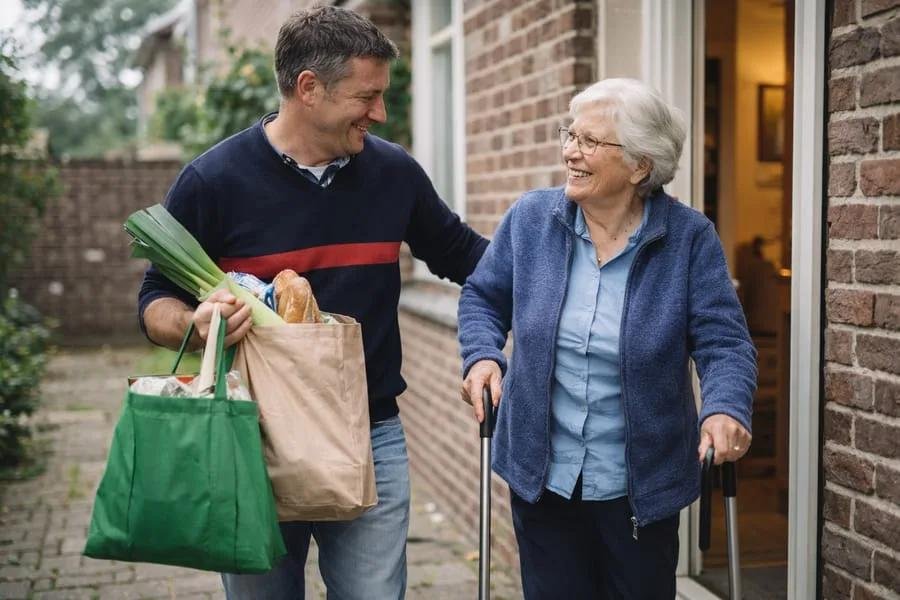
They are the neighbors who bring groceries to an elderly couple, the strangers who stop to help someone with a flat tire, the teachers who encourage a struggling student, and the ordinary people who choose kindness when nobody is watching.
These are our everyday heroes. They may never receive awards or public recognition, but their small acts of generosity can make a lasting difference in someone else’s life.
And the beautiful thing is that you don’t need special skills, wealth, or extraordinary courage to become one. You simply need to notice when someone could use a little help.
What Makes Someone an Everyday Hero?
An everyday hero isn’t necessarily someone who does something remarkable every day. Sometimes, it’s someone who makes one thoughtful decision at exactly the right moment.
It could be a person who gives up their seat on a crowded bus for someone who is struggling to stand. It could be a colleague who quietly helps a new employee understand a difficult task. Or it could be a stranger who notices that someone is having a terrible day and offers a few comforting words.
These actions may seem small to the person performing them. But for the person receiving that kindness, they can mean much more than we realize.
Think about a time when someone helped you without expecting anything in return. Perhaps someone offered encouragement when you doubted yourself, listened when you needed to talk, or showed patience when you made a mistake.
You may have forgotten the details of that day, but you probably remember how that person made you feel.
That is the quiet power of everyday heroism.
1. The Stranger Who Stops to Help
Imagine walking along a busy road when you notice someone struggling to change a flat tire. Cars are passing, people are in a hurry, and everyone seems focused on reaching their destination.
Most people might glance over and keep walking. Not necessarily because they don’t care, but because they have their own responsibilities and deadlines.
Then one person stops.
They ask if help is needed, offer the tools they have, or call roadside assistance if the situation requires professional support. They may lose a few minutes of their own time, but they make a difficult moment easier for someone else.
There may be no photograph, no thank-you speech, and no social media post about what happened.
Yet that small decision can restore someone’s faith in human kindness.
The lesson: Sometimes, being a hero begins with choosing not to walk past someone who needs help.
2. The Neighbor Who Makes Someone Feel Less Alone
Loneliness isn’t always obvious.
An elderly neighbor may spend days without a meaningful conversation. A new family in the neighborhood may feel disconnected from everyone around them. Someone who has recently lost a loved one may smile politely while quietly struggling with grief.
A simple gesture can make a difference.
Knocking on a neighbor’s door to say hello, sharing a home-cooked meal, offering to pick up groceries, or inviting someone for a cup of tea can remind them that they haven’t been forgotten.
You don’t have to solve every problem in another person’s life. Sometimes, giving someone a little of your time is enough to help them feel seen.
In a world where people are increasingly busy, genuine human connection has become one of the most valuable gifts we can offer.
The lesson: You may not be able to remove someone’s loneliness, but you can help them feel less alone.
3. The Teacher Who Refuses to Give Up
Every successful person has a story about someone who believed in them before they fully believed in themselves.
For many people, that person is a teacher.
Imagine a student who struggles with mathematics, hesitates to answer questions, and begins to believe they simply aren’t smart enough. While others see poor grades, a patient teacher sees potential.
Instead of labeling the student as incapable, the teacher explains the lesson differently, offers extra guidance, and celebrates small improvements.
The student may not understand the importance of that encouragement immediately. Years later, however, they may remember the teacher who made them feel capable when they were ready to give up.
A few minutes of patience can change the way someone sees their own future.
This kind of heroism also happens outside classrooms. Parents, coaches, mentors, managers, and friends can all become the people who help others recognize their abilities.
The lesson: Sometimes, the greatest gift you can give someone is the belief that they are capable of more than they imagine.
4. The Person Who Helps Without Seeking Recognition
Not every act of generosity needs an audience.
Some people regularly donate food to local shelters, help struggling families pay for essential supplies, volunteer at community events, or quietly support someone going through a difficult period.
They don’t announce every good deed. They don’t expect praise. They simply recognize a need and do what they can.
Consider a person who notices that a family in their community is having trouble buying school supplies for their children. Rather than discussing the family’s difficulties, they discreetly provide notebooks, pencils, backpacks, and other essentials.
For that family, the assistance may ease financial pressure and help their children begin the school year with greater confidence.
For the person offering help, it may feel like a small contribution.
But kindness doesn’t have to be expensive to be meaningful, and generosity doesn’t become less valuable just because nobody sees it.
The lesson: The value of a good deed comes from the difference it makes, not the recognition it receives.
5. The Coworker Who Chooses Compassion Over Competition
Heroism isn’t limited to dramatic situations or community service. It can also appear in the workplace.
Imagine a colleague who has made a mistake during an important project. They are worried about disappointing their manager and damaging their reputation.
A teammate could use the opportunity to criticize them or shift the blame. Instead, they help identify the problem, share what they know, and work together on a solution.
That decision doesn’t mean ignoring accountability. It means understanding that people can learn from mistakes without being humiliated.
A supportive coworker can make a stressful day manageable. A thoughtful manager can help someone regain confidence. A colleague who listens without judgment can make a difficult workplace feel more human.
These small choices create a culture where people feel comfortable asking questions, admitting mistakes, and helping one another succeed.
The lesson: You don’t have to compete with everyone around you. Sometimes, helping another person succeed is an achievement in itself.
6. The Young Person Who Cares About Their Community
You don’t have to wait until you’re older, financially successful, or established in your career to make a difference.
Young people can be everyday heroes, too.
A teenager who helps an elderly resident carry shopping bags, a student who organizes a neighborhood cleanup, or a group of friends who collect books for children with limited access to learning resources can create meaningful change.
These actions also demonstrate something important: community responsibility begins long before someone holds a leadership position.
When young people see that their efforts matter, they begin to understand that they have a role in shaping the world around them.
And when others witness their example, they may feel inspired to participate as well.
One small initiative can encourage more people to volunteer, donate, recycle, mentor, or support a local cause.
The lesson: You are never too young to make a positive contribution to the world around you.
Why Small Acts of Kindness Matter More Than We Think
It’s easy to underestimate a good deed because we often measure success by visible results. We celebrate major achievements, large donations, impressive careers, and dramatic transformations.
But human lives are also shaped by quieter moments.
A sincere compliment can help someone feel appreciated. A listening ear can help a person organize their thoughts during a difficult time. An offer of practical assistance can prevent a manageable problem from becoming overwhelming.
Small acts of kindness matter for several reasons.
They remind people that someone cares
When people are struggling, they may feel as though they have to handle everything alone. A thoughtful gesture reminds them that support is available and that their circumstances matter to someone else.
They encourage others to do good
Kindness can inspire further kindness. Someone who receives help may later offer support to another person. A community project may motivate neighbors to organize their own initiatives.
This doesn’t mean every good deed will automatically lead to another. But a positive example can make helping others feel more natural and achievable.
They strengthen communities
Communities become more resilient when people know their neighbors, support vulnerable residents, and work together to solve local problems.
Even simple habits, such as checking on an elderly neighbor or participating in a neighborhood cleanup, can help build trust and connection.
They make kindness part of everyday life
When generosity becomes a regular habit rather than a rare event, people begin to see opportunities to help in ordinary situations.
That is how a small personal choice can contribute to a more caring environment.
How You Can Become an Everyday Hero
You don’t need a complicated plan to begin. Start with the people and situations already around you.
Here are seven simple ways to make a difference:
- Check on someone who may need support. Send a message to a friend you haven’t heard from lately or ask an elderly neighbor how they are doing.
- Offer your time. Volunteer at a community organization, help a student with their studies, or assist someone with a task you can reasonably manage.
- Practice thoughtful listening. Give people your attention without immediately judging their decisions or trying to fix every problem.
- Recognize other people’s efforts. Thank the person who keeps your workplace running, acknowledge a helpful colleague, or appreciate someone who regularly cares for others.
- Share what you can. Donate usable clothing, books, food, or essential supplies through appropriate local organizations.
- Speak up respectfully when someone is treated unfairly. Support people who are being excluded or mistreated, while considering your safety and the circumstances.
- Make kindness a habit. Choose one small, practical action each day that could make someone else’s life a little easier.
Remember, helping others should also respect their dignity, boundaries, and independence. Ask what would be useful instead of assuming you know what someone needs.
And if you cannot offer money, that’s perfectly fine. Your time, attention, knowledge, and willingness to help can be valuable, too.
A Simple 7-Day Everyday Hero Challenge
If you want to turn inspiration into action, try this one-week challenge.
- Day 1: Send a sincere thank-you message to someone who has helped you.
- Day 2: Check in on a friend, relative, or neighbor.
- Day 3: Help someone with a task without expecting a reward.
- Day 4: Offer genuine encouragement to someone who is struggling.
- Day 5: Donate an item you no longer need or contribute to a local cause.
- Day 6: Spend time listening to someone without distractions.
- Day 7: Choose one act of kindness you can continue doing regularly.
You don’t have to complete every activity perfectly. The goal is not to create another obligation or compete over who does the most good. It’s to become more aware of the opportunities to help that already exist in everyday life.
At the end of the week, ask yourself one simple question: Did I make someone’s day a little easier?
If the answer is yes, you’ve already made a meaningful start.
The Ripple Effect: How One Small Action Can Reach Many People
Think about a person who receives unexpected help during a difficult day.
Perhaps a stranger helps them carry a heavy bag. The recipient feels relieved and grateful. Later, when they notice someone else struggling, they remember that experience and decide to help.
The second person may carry that kindness forward, too.
This is the ripple effect of generosity. It isn’t guaranteed, and it doesn’t always happen immediately. But positive actions can influence how people treat one another.
A community doesn’t become more compassionate through grand gestures alone. It also grows through countless small decisions made by ordinary people.
Someone chooses patience instead of anger. Someone offers support instead of judgment. Someone gives their time instead of looking away.
Individually, these moments may seem insignificant. Together, they can help create a culture where people feel more comfortable caring for one another.
Final Thoughts: You Don’t Need a Cape to Be a Hero
The world will always need people who do extraordinary things. But it also needs people who are willing to do ordinary things with extraordinary care.
The person who helps a stranger, encourages a struggling student, supports a neighbor, or stands beside a colleague may never be called a hero.
They may never know how deeply their actions affected someone else’s life.
And perhaps that is part of what makes everyday heroism so meaningful. It doesn’t depend on applause, public recognition, or a dramatic story. It begins with a simple decision to make life a little better for another person.
You don’t need to change the entire world today.
You can start by helping one person, sharing one kind word, or giving someone a reason to feel hopeful again.
Because sometimes, the smallest act of kindness becomes the moment someone remembers for the rest of their life.
And who knows? The person whose day you make brighter today might be the person who helps someone else tomorrow.
Be kind. Stay thoughtful. Make a difference wherever you can.
Frequently Asked Questions
1. What is an everyday hero?
An everyday hero is an ordinary person who helps others through thoughtful actions, generosity, courage, or community service without expecting recognition or a reward.
2. What are examples of everyday heroism?
Examples include helping an elderly neighbor, volunteering at a food bank, mentoring a student, assisting a stranger in need, supporting a struggling coworker, and donating essential supplies to families who need them.
3. Can small acts of kindness really make a difference?
Yes. Small acts can provide practical assistance, emotional support, and a sense of connection. They can also encourage others to help, contributing to stronger and more supportive communities.
4. How can I become an everyday hero?
Start by noticing the needs around you. Offer your time, listen without judgment, share useful resources, encourage others, volunteer locally, and help when you can do so safely and respectfully.
5. Why should we celebrate everyday heroes?
Recognizing everyday heroes reminds us that meaningful contributions don’t always receive public attention. Their examples encourage generosity, strengthen community relationships, and show that everyone has the ability to make a positive difference.
About This Story
At InspireViralTimes, we believe that inspiration is not limited to famous people or extraordinary achievements. It can be found in the everyday choices that bring people closer, restore hope, and make our communities more compassionate.
Your turn: Who is an everyday hero in your life? Share what they did and how their actions made a difference. Your story might inspire someone else to do a little good today.