
Who Should Not Eat Moringa — And Why
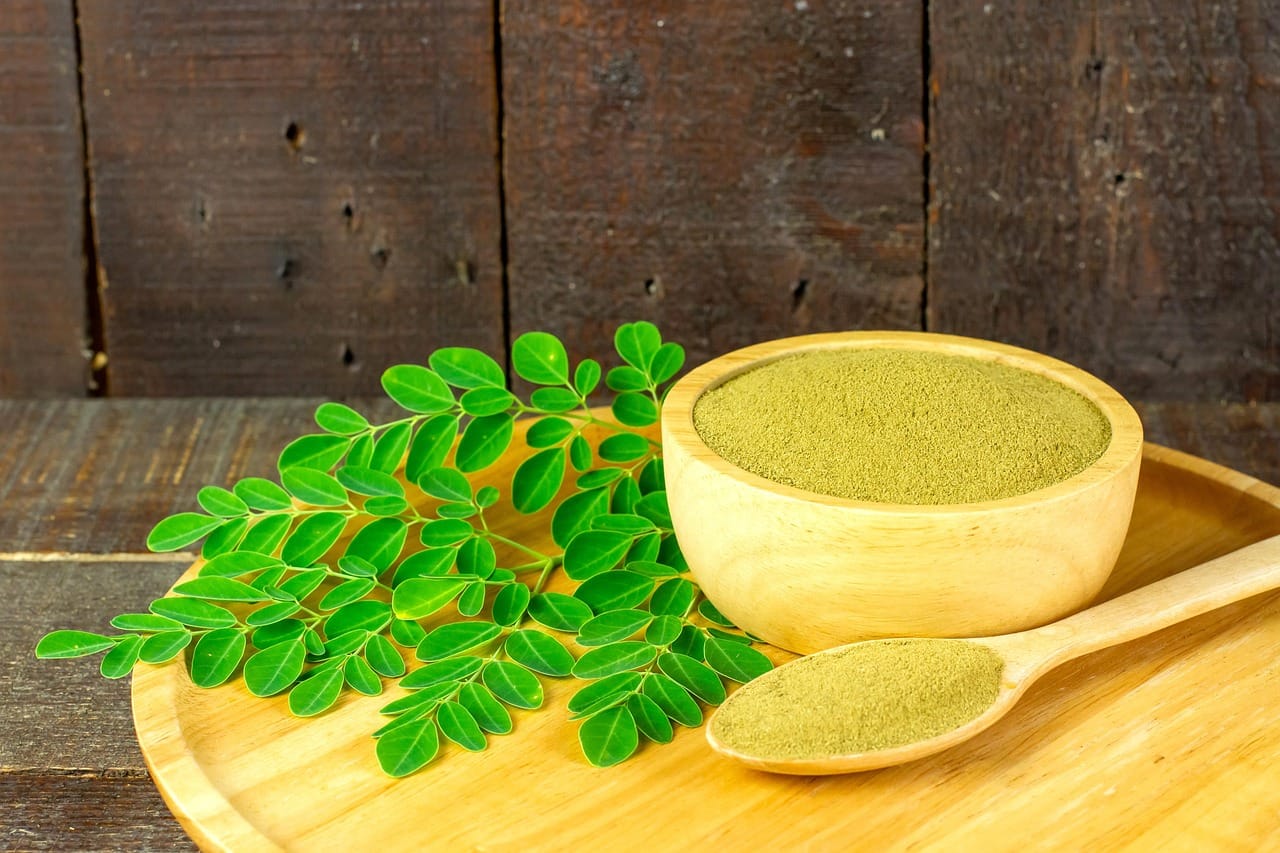
Moringa (usually Moringa oleifera) is often praised as a “nutrient-rich superfood,” but it isn’t suitable for everyone. While many people safely enjoy small amounts in food, there are important cases where moringa may cause harm or interact with health conditions and medications.
- People With Low Blood Pressure (Hypotension)
Moringa may help lower blood pressure, which can be beneficial for people with hypertension — but for those who already have low blood pressure, it could make the issue worse.
👉 What to do: If you have low BP or take antihypertensive meds, talk to your doctor before using moringa.
- People With Diabetes
Moringa can lower blood sugar levels — which might seem good — but it can also increase the risk of hypoglycemia when combined with diabetes medications.
👉 Safety tip: Monitor blood glucose carefully and consult your healthcare provider before using moringa if you are diabetic.
- Those Taking Certain Medications
Moringa components can interact with how drugs are absorbed and metabolized in the body, especially:
- Thyroid medicines (like levothyroxine)
- Heart/liver medications (via liver enzyme interactions)
- Antihypertensives and antidiabetic drugs
- Some cholesterol and sedative medications
These interactions can alter drug effectiveness or side effects.
👉 Always consult a pharmacist or doctor before combining moringa with prescription drugs.
- Pregnant and Breastfeeding Women
Moringa contains compounds that may stimulate uterine contractions and affect hormones — and some parts of the plant (especially roots and bark) have been traditionally associated with miscarriage in animal models.
👉 Advice: Avoid moringa during pregnancy unless specifically cleared by a healthcare provider.
- People With Heart or Liver Conditions
Some reports suggest that moringa may influence heart rate or stress liver function in susceptible individuals. Although rare, case reports link moringa extracts to liver enzyme changes and other adverse reactions.
👉 Individuals with heart disease or existing liver issues should be cautious and consult a clinician before use.
- Those Sensitive to Herbal Supplements
Like many plant products, moringa can cause digestive issues — especially in high amounts — such as:
- Gas
- Cramps
- Diarrhea
- Nausea
👉 Tip: Start with very small amounts if trying moringa for the first time — and stop if you have discomfort.
Bottom Line
Moringa has nutritional and potential health benefits, but it is not universally safe for everyone. The groups below should be especially careful:
✅ People with low blood pressure
✅ Diabetics or those on blood sugar medications
✅ Individuals taking certain prescription drugs
✅ Pregnant or breastfeeding women
✅ People with heart or liver disease
✅ Anyone sensitive to supplements
Before adding moringa regularly to your diet — especially as a supplement — talk with a healthcare provider to ensure it’s safe for your specific situation.


Comments are closed.