1. Hyperscale AI Data Centers

4
Technical Summary
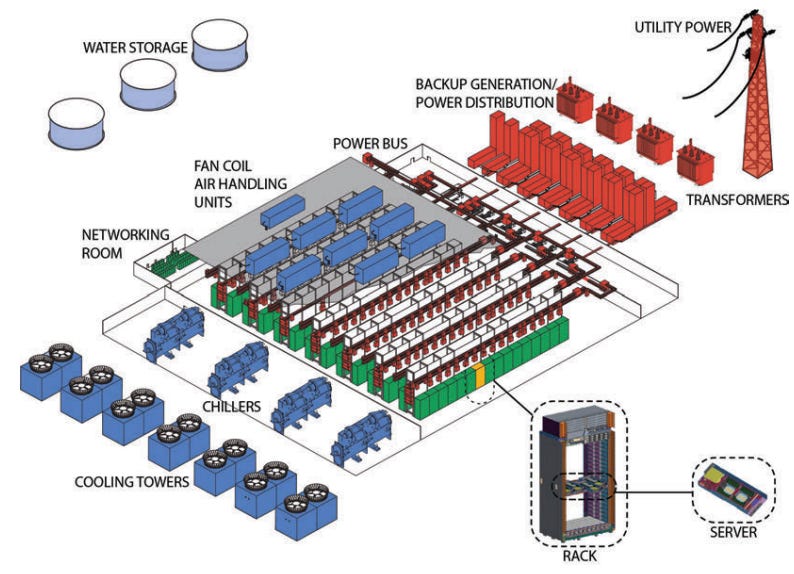
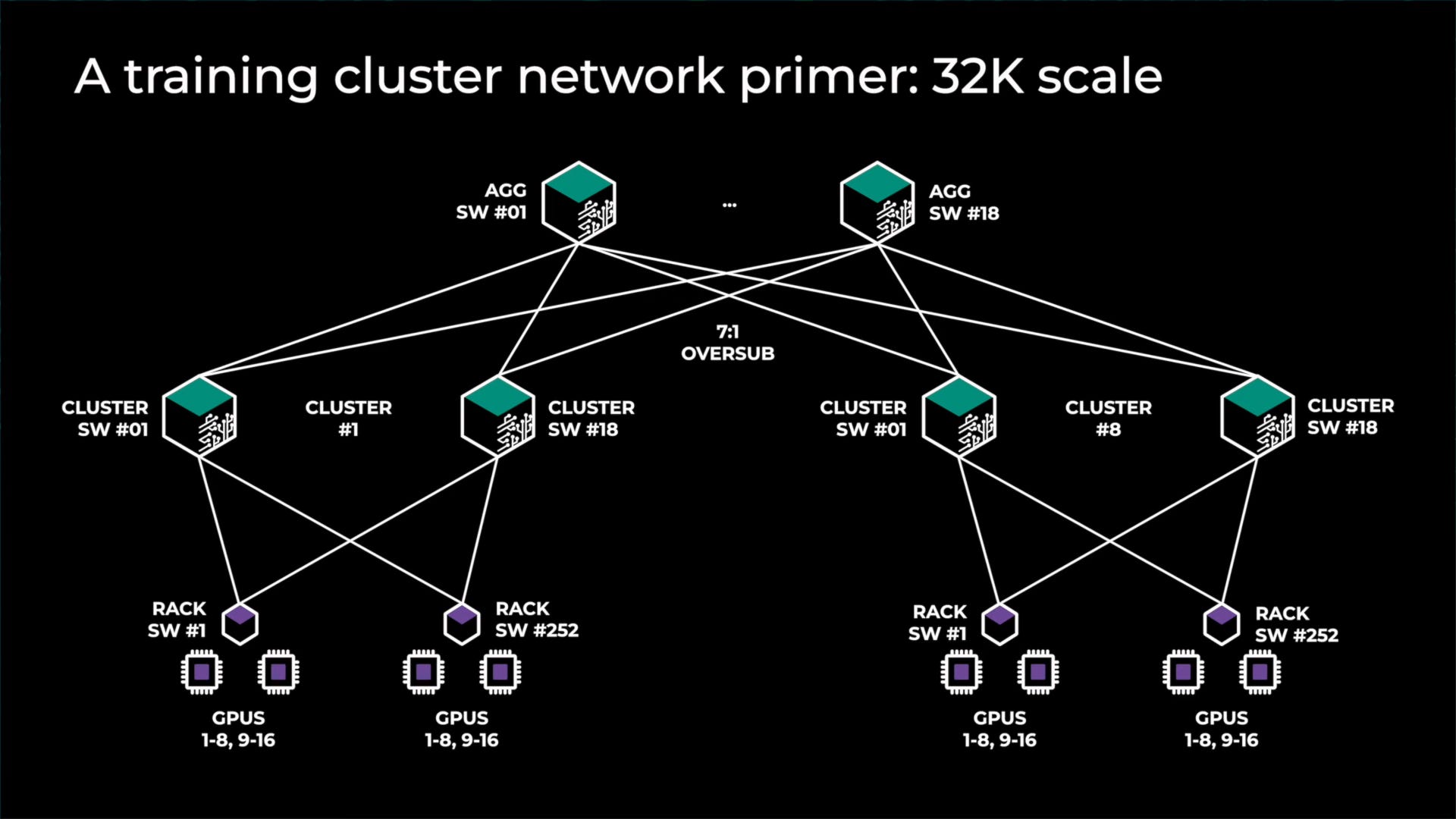
Hyperscale AI data centers are specialized computing facilities designed to support massive AI workloads — training and serving trillion-parameter models. These centers integrate tens of thousands of AI accelerators, advanced networking fabrics, and cooling systems optimized for extreme heat loads.
Key architectural elements:
- GPU / AI accelerator clusters with high-bandwidth links.
- Liquid-cooling and immersion cooling to manage thermal dissipation.
- Distributed storage optimized for high-throughput AI model datasets.
Industry Use Cases
| Sector | Application |
|---|---|
| Cloud services | Real-time generative AI at global scale |
| Healthcare | Large-scale genomic analysis and drug simulation |
| Automotive | Autonomous vehicle simulation and training |
| Finance | Algorithmic risk modeling and forecasting |
Adoption Timeline
- 2024–2026: Rapid expansion of GPU clusters for large language models (LLMs).
- 2027–2030: Integration of next-gen AI accelerators and energy-efficient architectures.
- 2031+: AI centers incorporating optical or quantum interconnects for exascale tasks.
2. Generative Coding

4
Technical Summary
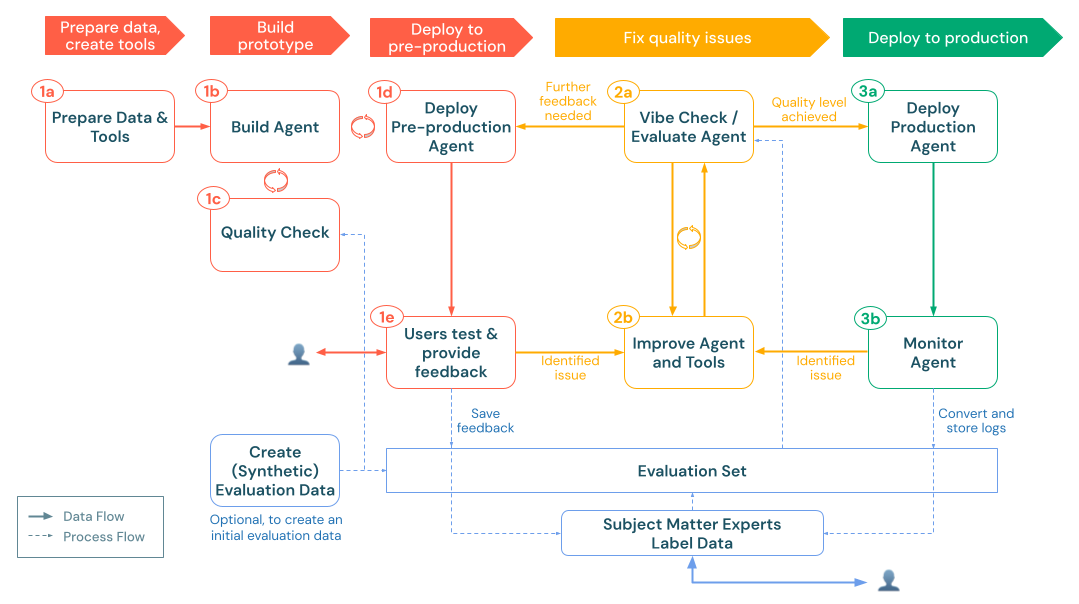
Generative coding refers to AI systems that write, refactor, test, and optimize software code based on natural language prompts. These systems are typically powered by large language models trained on vast quantities of open-source and proprietary code.
Mechanisms include:
- Prompt-to-code engines
- Automated test generation
- Code refactoring suggestions
- Integration with IDE toolchains
Industry Use Cases
| Sector | Application |
|---|---|
| Software development | Auto-generating modular code and APIs |
| DevOps | CI/CD pipeline automation |
| Education | Teaching programming with AI assistance |
| Security | Automated vulnerability detection and patching |
Adoption Timeline
- 2024–2026: Growth in plugin support for mainstream IDEs.
- 2027–2029: Enterprise workflows fully AI-augmented.
- 2030+: AI systems collaboratively writing large software systems with humans.
3. Next-Generation Nuclear Power


4
Technical Summary
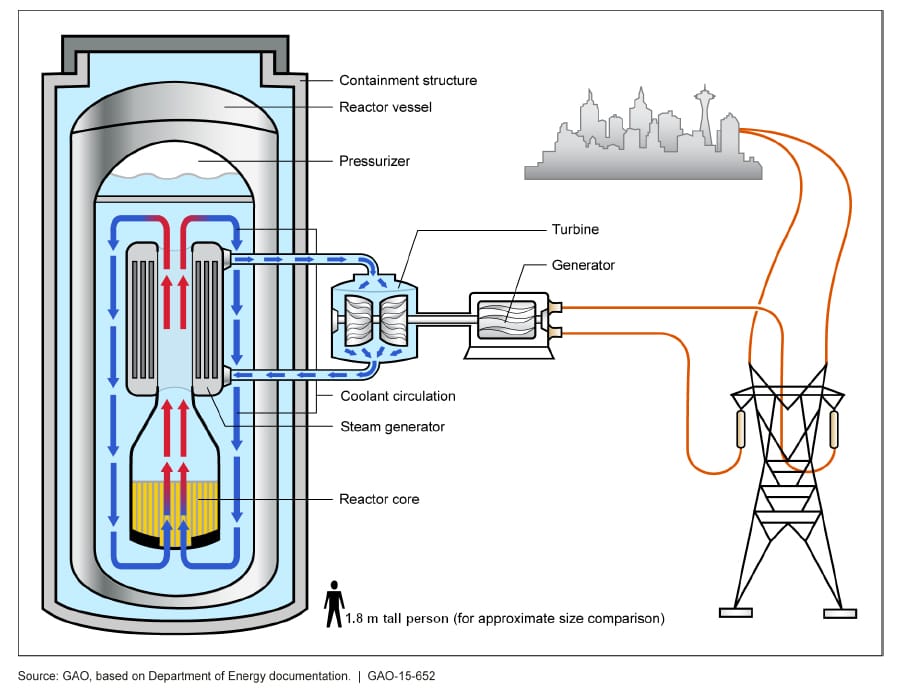
Next-generation nuclear power includes small modular reactors (SMRs) and other advanced designs that reduce size, cost, and safety risk relative to traditional reactors.
Key features:
- Modular factory fabrication
- Passive safety systems
- Lower initial capital investment
Industry Use Cases
| Sector | Application |
|---|---|
| Utilities | Carbon-free baseload power |
| Industrial | High-temperature process heat |
| Desalination | Water purification via thermal output |
Adoption Timeline
- 2024–2027: First commercial SMR deployments.
- 2028–2032: Hybrid grids combining renewables and nuclear.
- 2033+: Scalable factory production and widespread adoption.
4. Embryo Scoring and Genetic Prediction

4
Technical Summary
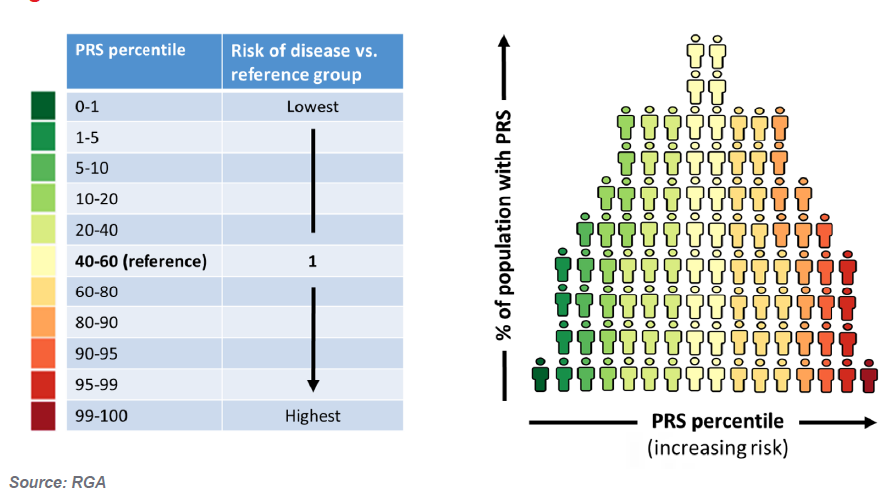
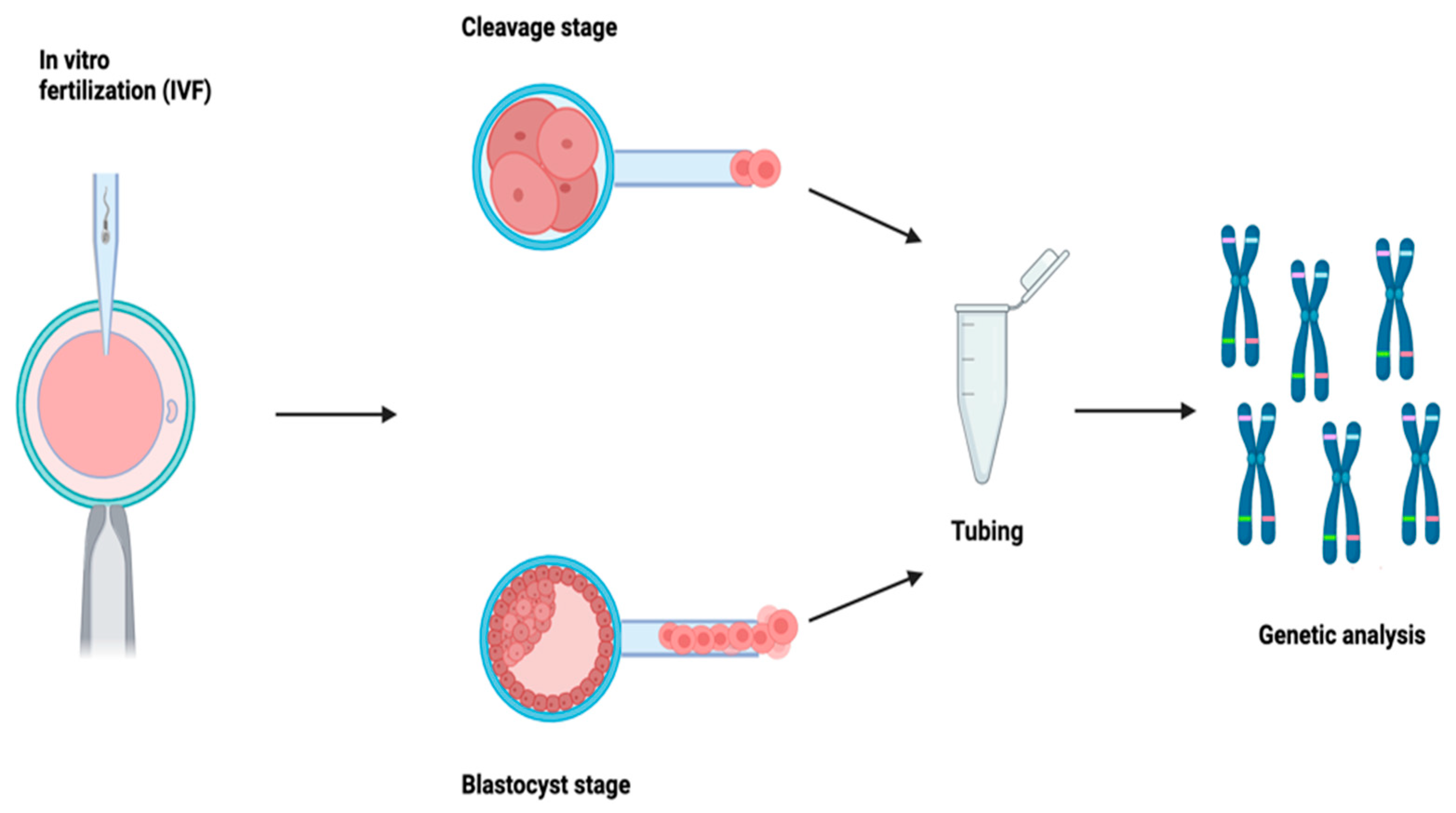
This technology expands genetic analysis beyond single-gene conditions to polygenic risk scoring, which estimates predispositions for traits based on many small-effect genetic variants.
Industry Use Cases
| Sector | Application |
|---|---|
| Fertility clinics | Risk assessment for inherited conditions |
| Healthcare | Early preventive care planning |
| Bioethics research | Frameworks for policy and regulation |
Adoption Timeline
- 2024–2026: Expanded clinical use for disease risk screening.
- 2027–2030: Regulatory frameworks evolve.
- 2031+: Robust ethical standards and international norms.
5. AI Companions


4
Technical Summary
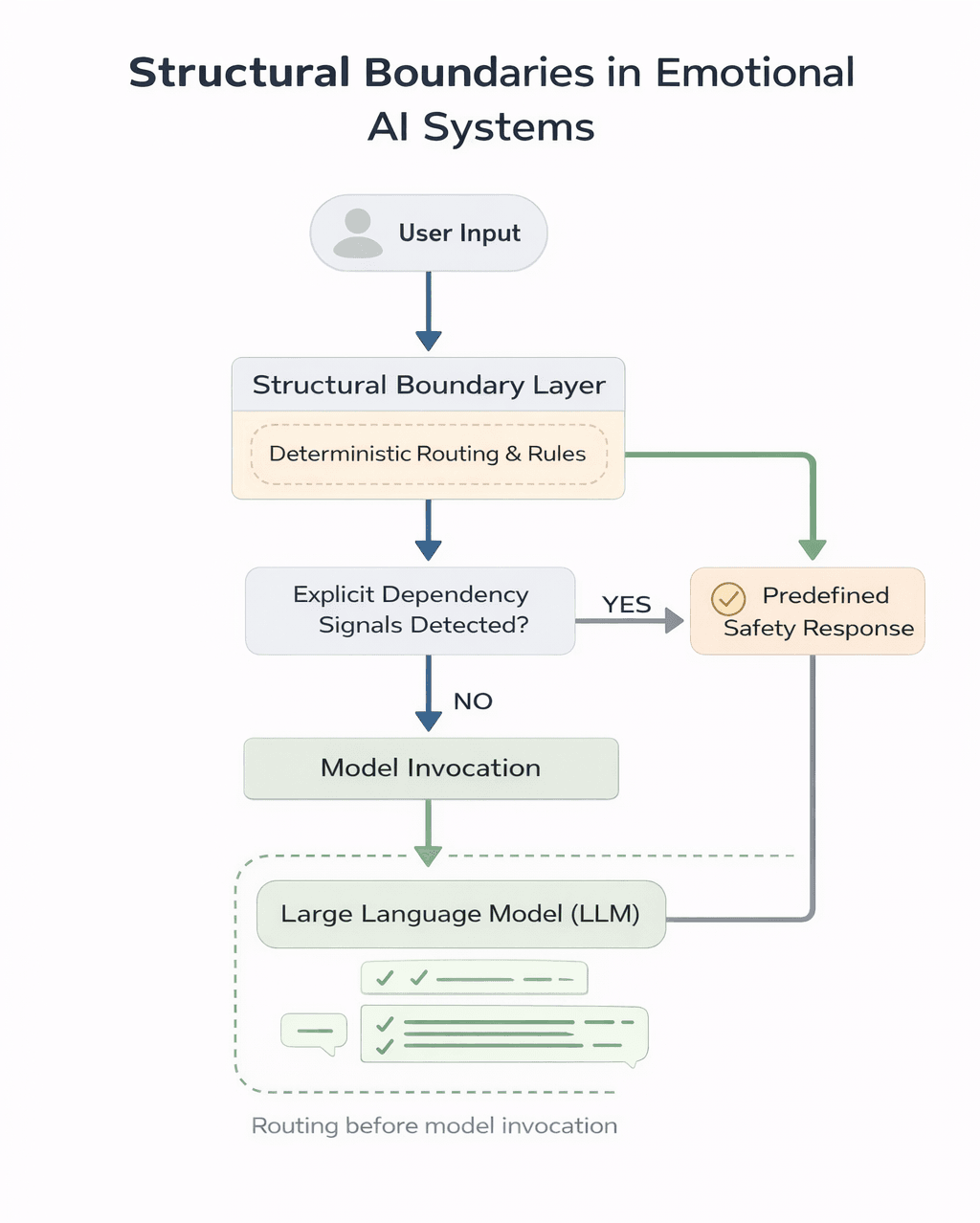
AI companions leverage conversational models enhanced with context tracking and emotional modeling to provide socially responsive interactions.
Industry Use Cases
| Sector | Application |
|---|---|
| Mental health | Support chat and guided reflection tools |
| Education | Personalized tutoring assistants |
| Elder care | Cognitive support and companionship |
Adoption Timeline
- 2024–2026: Consumer apps with empathetic responses.
- 2027–2030: Healthcare integrations for therapy support.
- 2031+: Deep personalization and context memory systems.
6. Commercial Space Stations

4
Technical Summary
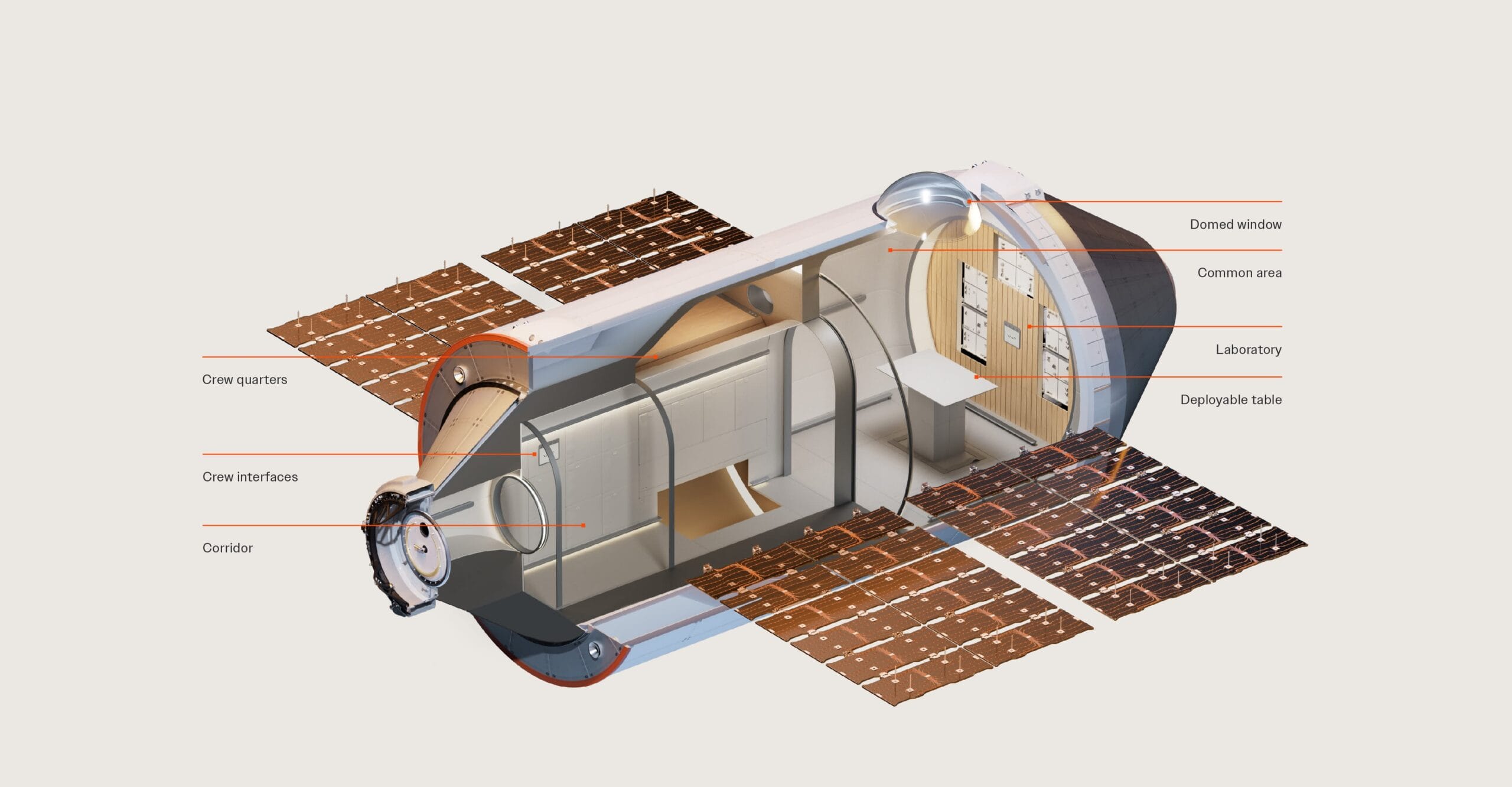
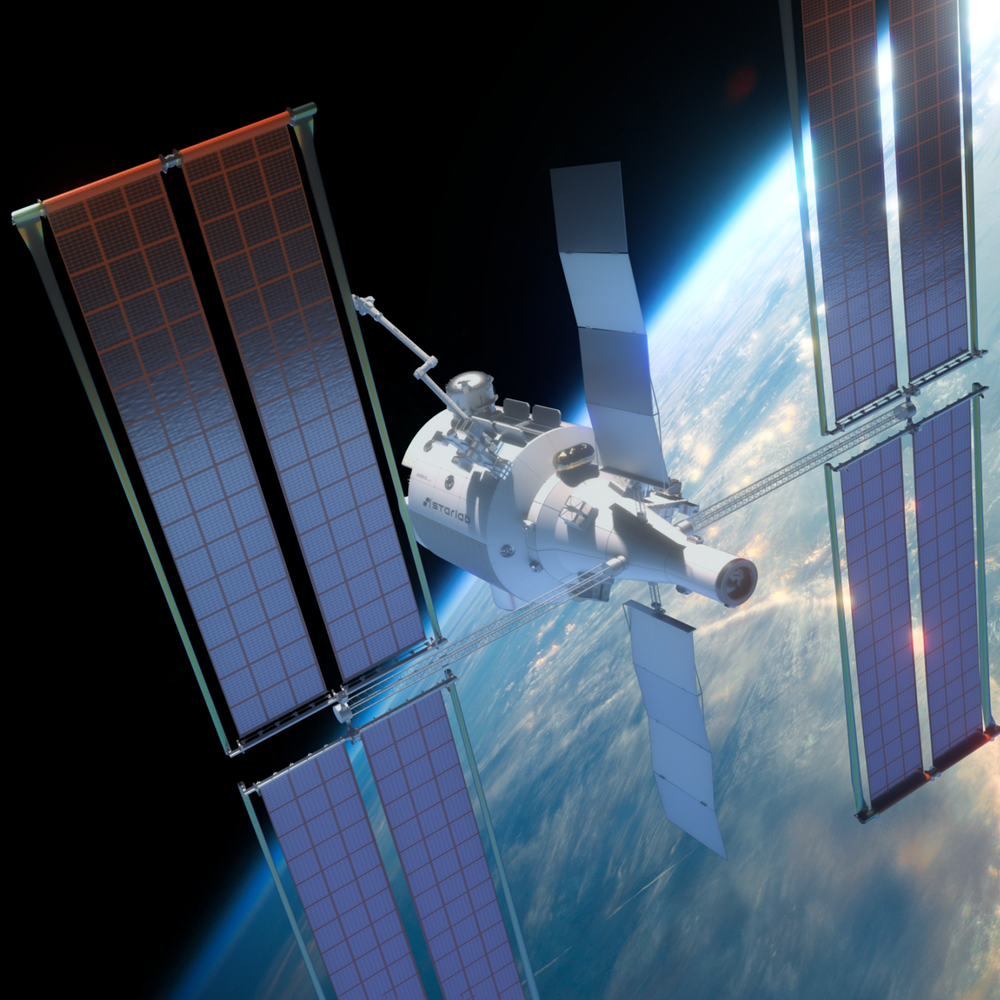
Private space stations require advanced life-support, modular assembly, and integrated logistics for crewed and uncrewed operations.
Industry Use Cases
| Sector | Application |
|---|---|
| Scientific research | Microgravity experimentation |
| Manufacturing | Materials processing in orbit |
| Tourism | Space habitation experiences |
Adoption Timeline
- 2025–2026: Initial commercial station launches.
- 2027–2030: Dedicated research and manufacturing modules.
- 2031+: Multi-platform orbital ecosystems.
7. Autonomous & Embodied AI Systems


4
Technical Summary
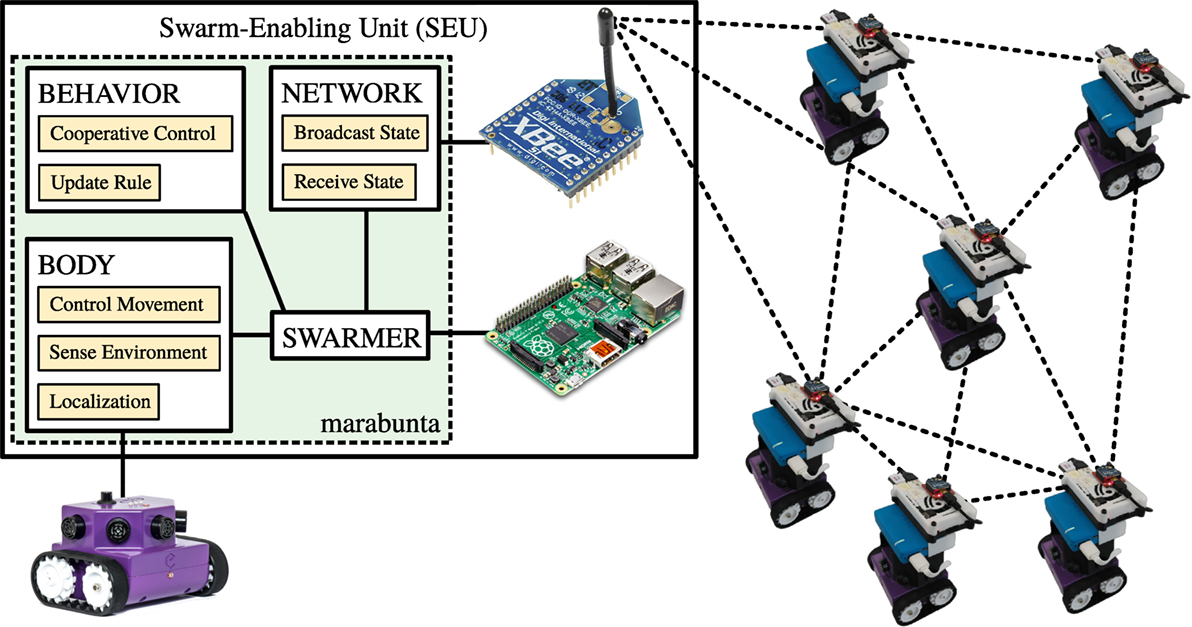
This category covers AI systems integrating perception, planning, and actuation to interact physically with environments — from warehouses to urban logistics.
Industry Use Cases
| Sector | Application |
|---|---|
| Logistics | Autonomous warehouses and sorting |
| Healthcare | Robotic caregiving support |
| Construction | Automated build systems |
Adoption Timeline
- 2024–2026: Deployed in controlled environments.
- 2027–2030: Everyday public and industrial spaces.
- 2031+: Human-robot collaboration norms.
8. Synthetic Biology Platforms


4
Technical Summary
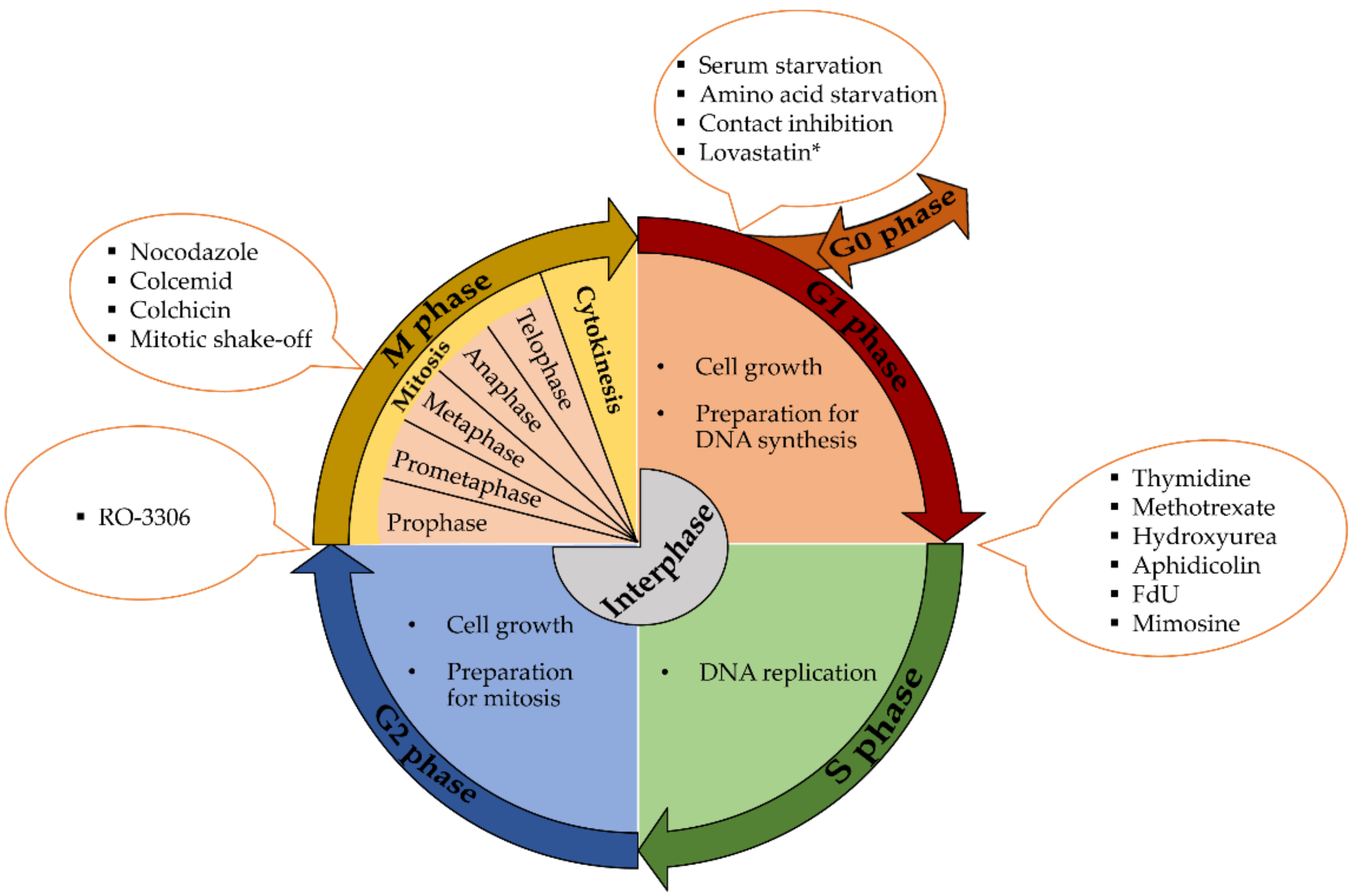
Synthetic biology platforms integrate digital design, DNA synthesis, and high-throughput screening to engineer cells and biological systems.
Industry Use Cases
| Sector | Application |
|---|---|
| Healthcare | Custom biologic drug production |
| Agriculture | Engineered crops with resilience |
| Materials | Sustainable bio-based polymers |
Adoption Timeline
- 2024–2026: Platform maturation and clinical proof-of-concepts.
- 2027–2030: Regulatory and manufacturing scale-up.
- 2031+: Broad commercial deployments.
9. Quantum Technologies

4
Technical Summary
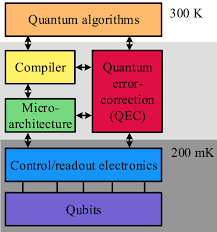
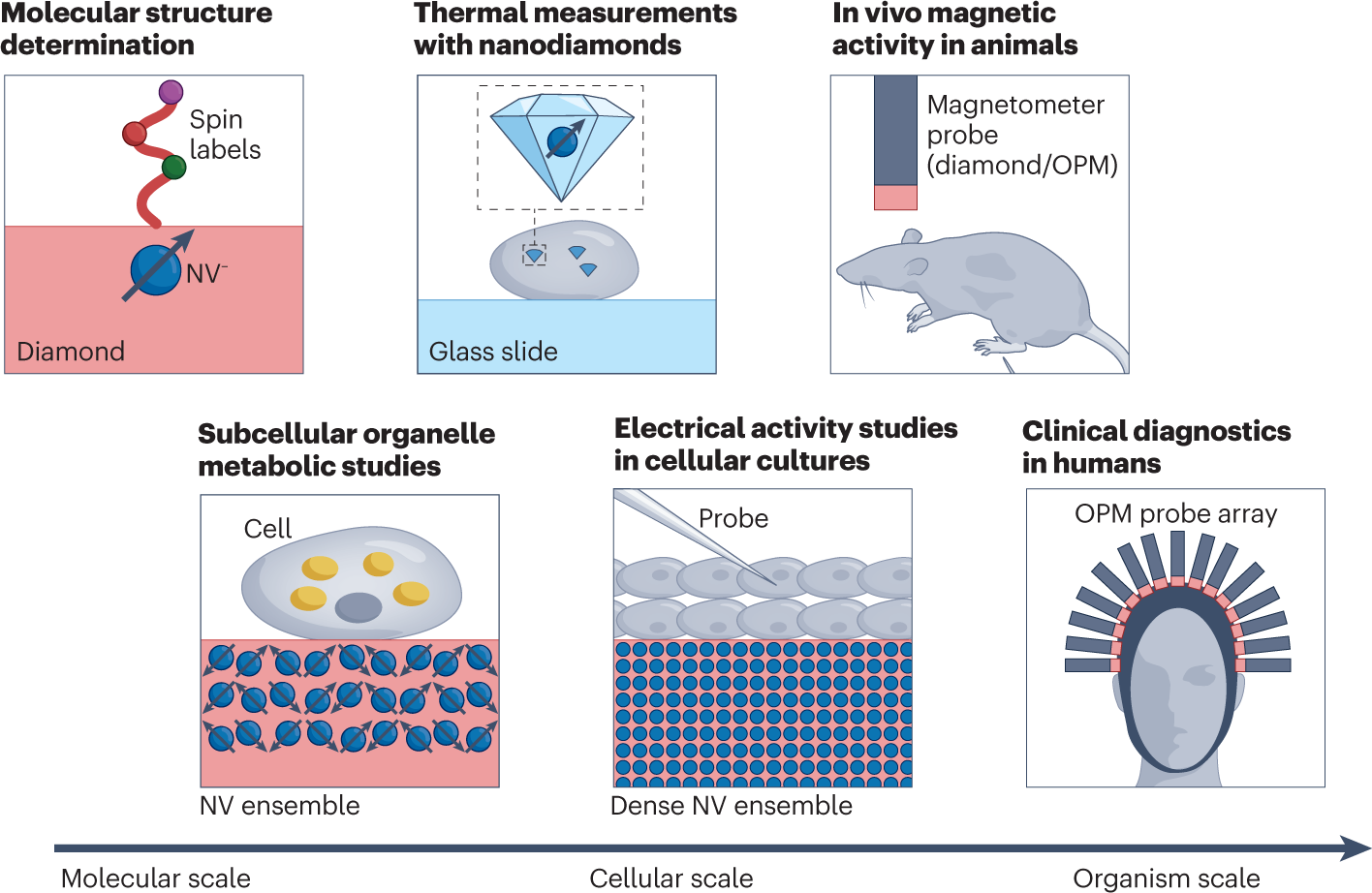
Quantum technologies span computing, sensing, and communications, using phenomena like superposition and entanglement to surpass classical limits.
Industry Use Cases
| Sector | Application |
|---|---|
| Cryptography | Quantum key distribution |
| Materials science | Simulation of complex molecules |
| Sensors | High-precision navigation and timing |
Adoption Timeline
- 2024–2026: Cloud access to near-term quantum processors.
- 2027–2030: Hybrid classical-quantum workflows.
- 2031+: Fault-tolerant universal quantum computers.
10. Advanced Connectivity (6G & Beyond)

4
Technical Summary
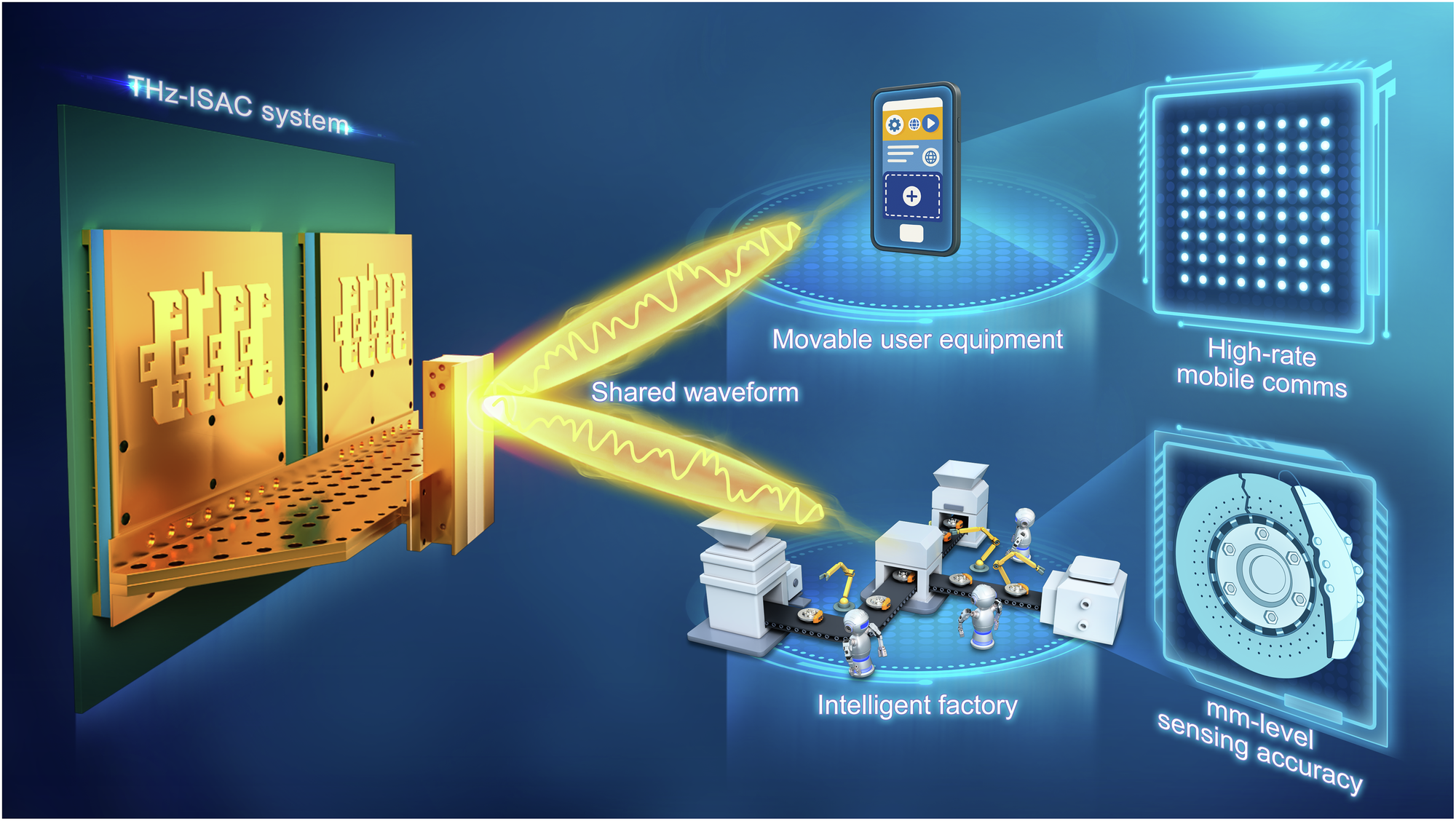
6G aims to integrate AI optimization, terahertz-band communications, and sensing capabilities into wireless networking infrastructure.
Industry Use Cases
| Sector | Application |
|---|---|
| Mobile | Ultra-fast ubiquitous connectivity |
| IoT | Massive device coordination |
| Autonomous systems | Real-time communication and control |
Adoption Timeline
- 2027–2030: Testbeds and early deployments.
- 2030–2033: Standardization and commercial rollouts.
- 2034+: Global integration with AI networks.
Broad Themes Across the Breakthroughs
- AI as foundational infrastructure, from data centers to autonomous systems.
- Decarbonization at scale, with next-gen nuclear and synthetic biology innovations.
- Biotech crossing into mainstream healthcare and agriculture.
- Hyperconnectivity and advanced computation reshaping industries, from 6G to quantum.