Satya Nadella’s journey at Microsoft stands as one of the most transformative leadership stories in tech—a first-generation immigrant from India who quietly reshaped a giant company facing stagnation into a cloud and AI powerhouse, driving its market value to trillions.
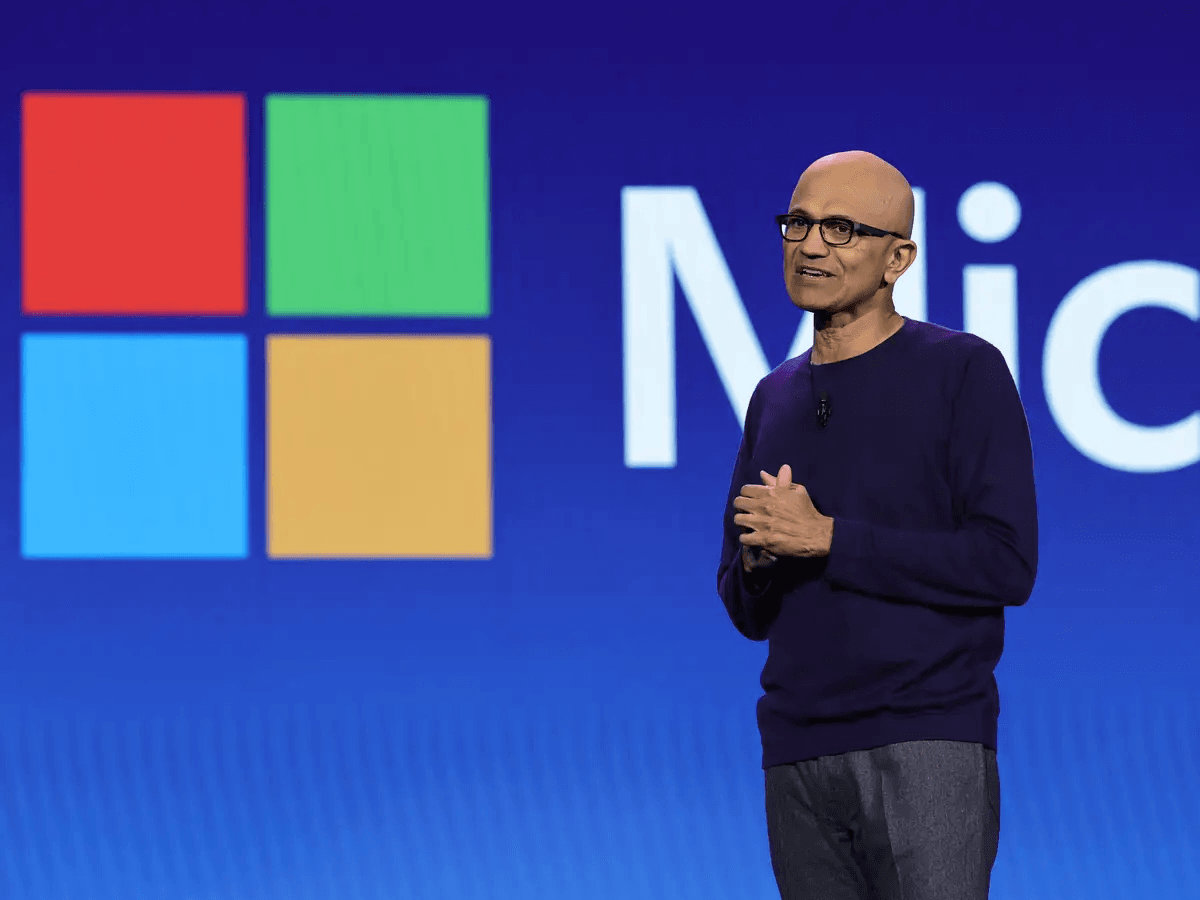
Born Satya Narayana Nadella on August 19, 1967, in Hyderabad, India, Nadella grew up in a middle-class Telugu Hindu family. His father was a senior civil servant in the Indian Administrative Service, and his mother was a Sanskrit lecturer. Raised partly in Hyderabad and with roots in rural Andhra Pradesh, he attended the prestigious Hyderabad Public School before earning a bachelor’s degree in electrical engineering from the Manipal Institute of Technology (then affiliated with Mangalore University) in 1988.
Seeking greater opportunities in technology, Nadella moved to the United States as a graduate student. He completed a master’s in computer science at the University of Wisconsin-Milwaukee in 1990. After a brief stint at Sun Microsystems, he joined Microsoft in 1992 at age 25, initially working as a program manager on the development of Windows NT—a foundational enterprise operating system that helped Microsoft solidify its business footprint.
Steady Rise Through the Ranks (1992–2014)
Nadella’s 22-year climb was marked by consistent impact across enterprise software, online services, and emerging technologies. He earned an MBA from the University of Chicago Booth School of Business in 1997 while working full-time.
Key milestones included:
- Leading efforts on Microsoft’s online services and small-business tools like bCentral (late 1990s).
- Serving as corporate vice president for Microsoft Business Solutions (early 2000s).
- Heading the Server and Tools division, where he championed cloud initiatives.
- By 2011, as president of the Server & Tools Business, he drove the early growth of Microsoft Azure, transforming it from a nascent platform into a serious competitor to Amazon Web Services.
In 2013–2014, as executive vice president of the Cloud and Enterprise group, Nadella orchestrated Microsoft’s shift toward cloud infrastructure, outperforming market expectations and gaining share against rivals.
Becoming CEO: A Cultural and Strategic Reset (2014 Onward)
On February 4, 2014, Nadella was named Microsoft’s third CEO, succeeding Steve Ballmer after a high-profile search. At the time, Microsoft was seen as lagging in mobile, cloud, and innovation—its stock had underperformed for years, and internal culture was often described as siloed and competitive.
Nadella introduced a “growth mindset” philosophy (inspired by psychologist Carol Dweck), emphasizing empathy, learning from failure, and collaboration over rigid hierarchies. He famously shifted Microsoft from “know-it-all” to “learn-it-all.”
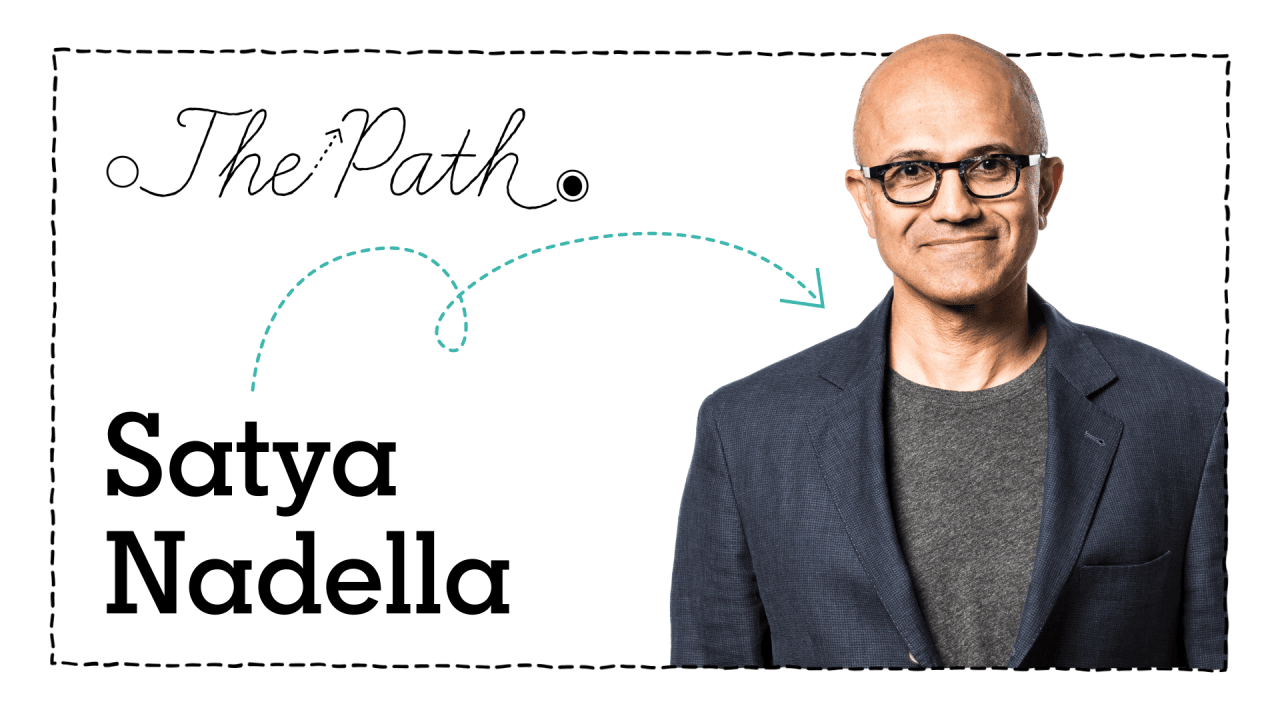
Under his leadership, pivotal moves included:
- Embracing open-source software (e.g., bringing Linux to Azure, open-sourcing .NET).
- Major acquisitions: LinkedIn ($26 billion in 2016), GitHub ($7.5 billion in 2018), and Activision Blizzard ($69 billion in 2023).
- Deepening the partnership with OpenAI, investing billions and integrating generative AI across products—launching Microsoft Copilot and making AI central to Office, Windows, Azure, and more.
- Building Azure into the #2 cloud provider globally, fueling massive revenue growth.
- Expanding into gaming (Xbox ecosystem), productivity (Microsoft 365), and enterprise AI.
Results speak volumes: Microsoft’s market capitalization grew from around $300 billion in 2014 to trillions (surpassing $3 trillion at points), making it one of the world’s most valuable companies. Revenue and profits soared, driven by cloud (now the largest segment) and AI momentum. In 2021, Nadella also became Chairman.
As of 2026, Nadella remains Chairman and CEO, steering Microsoft through the AI era—framing 2026 as the year AI shifts from pilots to mission-critical outcomes for businesses. Recent leadership adjustments (e.g., in Windows & Devices, Office, and LinkedIn) report directly to him, underscoring his hands-on role in execution.
Key Lessons from Nadella’s Journey
Nadella’s path offers powerful insights:
- Empathy and culture first — Transforming a company’s mindset can unlock innovation more than any single product.
- Cloud as the future — Spotting and betting early on inflection points (cloud, then AI) creates enduring advantage.
- Inclusive leadership — From immigrant outsider to CEO, he credits opportunity in America, education, and a willingness to learn.
- Bold yet measured risks — Partnerships (like OpenAI) and acquisitions balanced innovation with scale.
- Resilience and humility — Known for a calm, thoughtful style, he navigates antitrust scrutiny, competition, and rapid tech shifts with steady focus.
From a Hyderabad classroom to leading a $3+ trillion tech titan, Satya Nadella’s Microsoft journey exemplifies how technical depth, strategic vision, and a people-centered approach can revive and redefine an iconic company. In an industry of flash and disruption, his story reminds us that quiet persistence and cultural transformation often yield the biggest revolutions.