
Imagine this: It’s a quiet Tuesday evening. You’re scrolling through your phone when a notification pops up—“Your bank account has been locked due to suspicious activity.” Panic sets in. Millions of dollars in ransomware payments vanish every day, families lose life savings to phishing scams, and entire hospitals grind to a halt. Cybercrime isn’t some distant hacker movie plot anymore—it’s a $10.5 trillion global tax on our economy in 2025 alone, with projections climbing even higher.
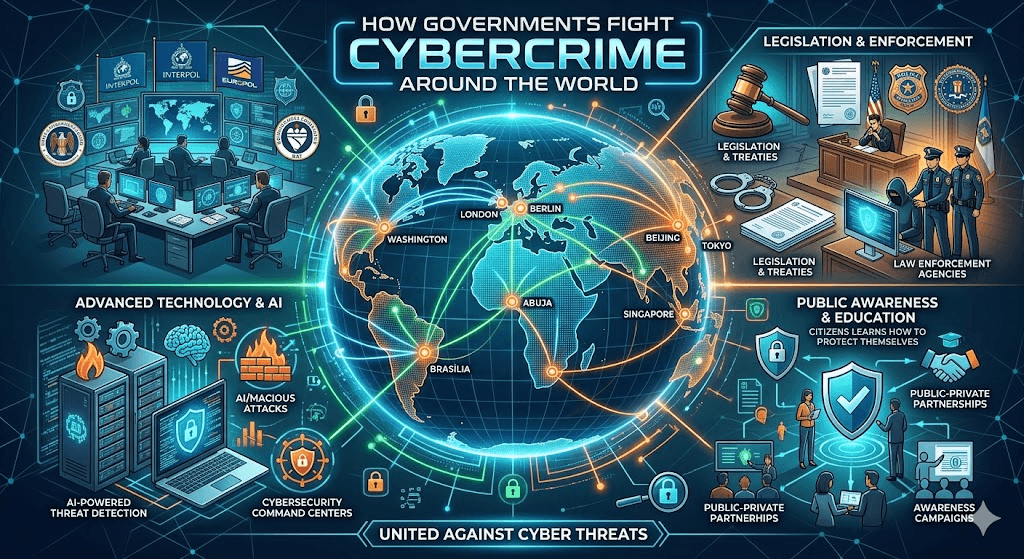
But here’s the inspiring part: Governments aren’t just watching from the sidelines. From high-tech command centers in Washington to coordinated raids across 72 countries, leaders worldwide are fighting back with smarter laws, cutting-edge tech, and unprecedented teamwork. At Inspireviraltimes.com, we love stories of resilience and innovation—and this one shows humanity banding together against invisible threats. Let’s dive into how nations are turning the tide on cybercrime, what it means for everyday people like you and me, and why there’s real reason for hope.
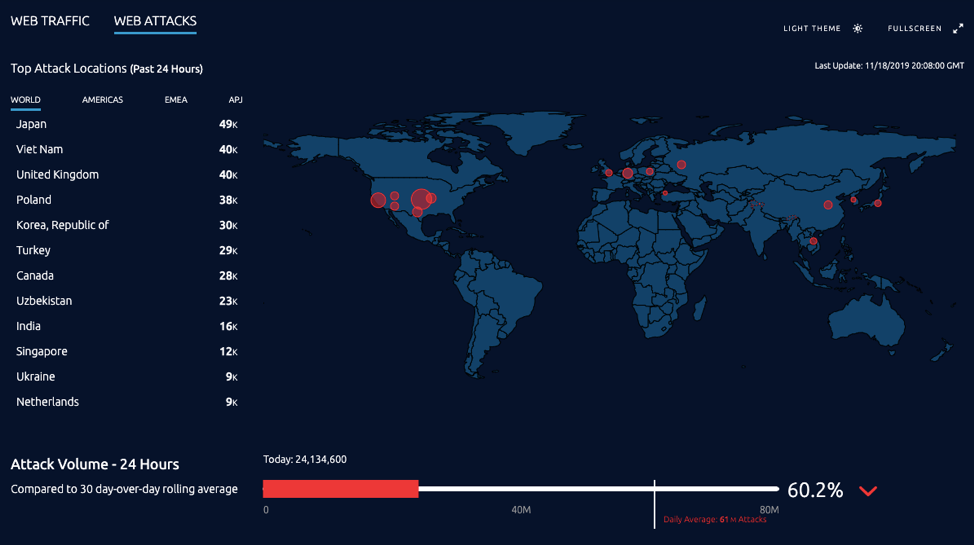
Top 8 Cyber Threat Maps To Track Cyber Attacks
The Rising Tide of Cybercrime: Why Governments Had to Step Up
Cybercrime has exploded in the last decade. Ransomware gangs hold cities hostage, state-linked hackers steal trade secrets, and scam centers in Southeast Asia fleece grandparents with fake investment apps. The human cost? Heartbreaking—lives disrupted, businesses ruined, trust in technology shattered.
Governments realized early that no single country could win alone. Borders mean nothing to a hacker in one nation targeting a victim in another. So, they’ve built a multi-pronged defense: tough laws, elite task forces, global alliances, and even offensive cyber operations. The result? Real victories that feel like plot twists in a thriller.
United States: Offensive Defense and Private-Sector Muscle
In March 2026, the White House dropped “President Trump’s Cyber Strategy for America”—a bold, no-nonsense playbook built on six pillars, from shaping adversary behavior to modernizing federal networks. Accompanied by a sweeping Executive Order targeting transnational criminal organizations (TCOs), it treats cybercrime like the national-security threat it is.
The FBI’s Internet Crime Complaint Center (IC3) fields hundreds of thousands of reports yearly, while CISA works hand-in-hand with companies to patch vulnerabilities before attacks hit. Recent wins include massive botnet takedowns and disruptions of ransomware groups. The strategy even greenlights private-sector “disrupt adversary networks” moves—think ethical hackers on steroids working alongside government pros.
It’s not just talk. Diplomatic pressure, sanctions, and victim-support funds show a “protect Americans first” approach that’s already yielding arrests and seized millions.
Europe: Harmonized Rules and Cross-Border Raids
The European Union isn’t messing around either. The NIS2 Directive (fully in force now) requires 18 critical sectors—from energy to healthcare—to beef up cybersecurity, report incidents within hours, and share intel across borders.
Europol’s European Cybercrime Centre (EC3) and the Joint Cybercrime Action Taskforce (J-CAT) act like a digital SWAT team. In early 2026’s Operation Alice, authorities from 23 countries shut down over 373,000 fraudulent dark-web sites and seized servers in one coordinated strike. Earlier ops dismantled botnets like Ramnit that infected millions of computers worldwide.
The beauty? GDPR ties in seamlessly, so when personal data gets breached, victims have real recourse. It’s bureaucratic on paper but lightning-fast in practice—proof that unity really does make strength.

Operation across Africa identifies cyber-criminals and at-risk online infrastructure
China and Asia: Ironclad Control Meets Rapid Response
China’s approach is laser-focused on sovereignty. The 2017 Cybersecurity Law got major upgrades, and a sweeping new Draft Cybercrime Prevention and Control Law (under review in 2026) cracks down hard on fraud, phishing, and illegal content while expanding real-name registration and strengthening the “Great Firewall.”
Penalties are steep—fines up to $725,000 and detention for violations—and the emphasis is on prevention through surveillance and swift takedowns. In India, the Indian Computer Emergency Response Team (CERT-In) mandates 6-hour breach reporting and runs nationwide awareness drives. The country’s cybercrime reporting portal has handled millions of complaints, with specialized units like the Indian Cyber Crime Coordination Centre (I4C) leading the charge.
Across Asia-Pacific, Interpol’s ASPJOC operations have taken down thousands of malicious domains, showing regional powerhouses working together.
Global Heroes: Interpol and the Power of Partnership
No story about fighting cybercrime is complete without Interpol. Their Cybercrime Collaborative Platform connects police in 195 countries for real-time intel sharing. Recent triumphs?
- Operation Synergia III (2025–2026): 72 countries, 45,000 malicious IPs and servers dismantled, 94 arrests, and hundreds more under investigation. Targets? Phishing, malware, ransomware—the full criminal toolkit.
- African ops like Serengeti 2.0 nabbed over 1,000 suspects and recovered millions.
- The International Counter Ransomware Initiative (nearly 60 countries plus Europol and Interpol) is starving ransomware gangs of their lifeblood: cryptocurrency profits.
These aren’t one-off stings. They’re part of a broader strategy—capacity building in developing nations, training thousands of officers, and even public-private alliances with tech giants.
Common Weapons in the Arsenal (and Why They Work)
Across continents, governments rely on four proven pillars:
- Laws & Regulations – From the U.S. EO to EU NIS2 and China’s updates, clear rules force companies to invest in defense.
- Tech & Intelligence – AI-driven threat detection, zero-trust architecture, and post-quantum cryptography are becoming standard.
- International Cooperation – Treaties like the UN Cybercrime Convention (adopted 2024, gaining signatures fast) standardize evidence sharing and extradition.
- People Power – Public awareness campaigns, school programs, and whistleblower protections remind us: the best defense starts with informed citizens.
Challenges on the Horizon (and How We’re Overcoming Them)
Jurisdictional headaches, encryption debates, and lightning-fast AI-powered attacks keep officials up at night. But the momentum is real. Every successful takedown weakens the ecosystem—fewer scam centers, fewer safe havens for criminals.
What This Means for You—and How You Can Join the Fight
The next time you hear about a major cyber operation in the news, remember: it’s not just headlines. It’s governments protecting your data, your savings, and your future.
FAQs (Boost)
What is cybercrime?
Cybercrime is criminal activity that involves computers, networks, or the internet.
How do governments fight cybercrime?
Governments fight cybercrime using laws, cyber agencies, international cooperation, and advanced technology.
Which countries have strong cybersecurity?
The United States, United Kingdom, Israel, Estonia, and Singapore are known for strong cybersecurity.
Why is cybercrime hard to stop?
Cybercriminals operate globally and often hide their identity, making them difficult to track.
Can governments stop cybercrime completely?
No, but they can significantly reduce cybercrime through strong cybersecurity strategies.
Here’s your personal playbook:
- Enable multi-factor authentication everywhere.
- Use strong, unique passwords (and a manager).
- Report suspicious activity to your local cybercrime portal or IC3.gov.
- Support policies that fund international cooperation—they pay dividends in safer online lives.
At Inspireviraltimes.com, we believe stories like this prove humanity’s greatest strength is collaboration. Governments are showing the world that even in the shadowy corners of the internet, light—and justice—can prevail.
What’s your biggest cyber worry? Drop it in the comments below. Let’s keep the conversation going and inspire more positive change. Together, we’re not just surviving the digital age—we’re thriving in it.
Stay inspired, stay secure. Share this if it fired you up!
Sources include official government releases, Interpol reports, and global cybersecurity analyses (2025–2026).