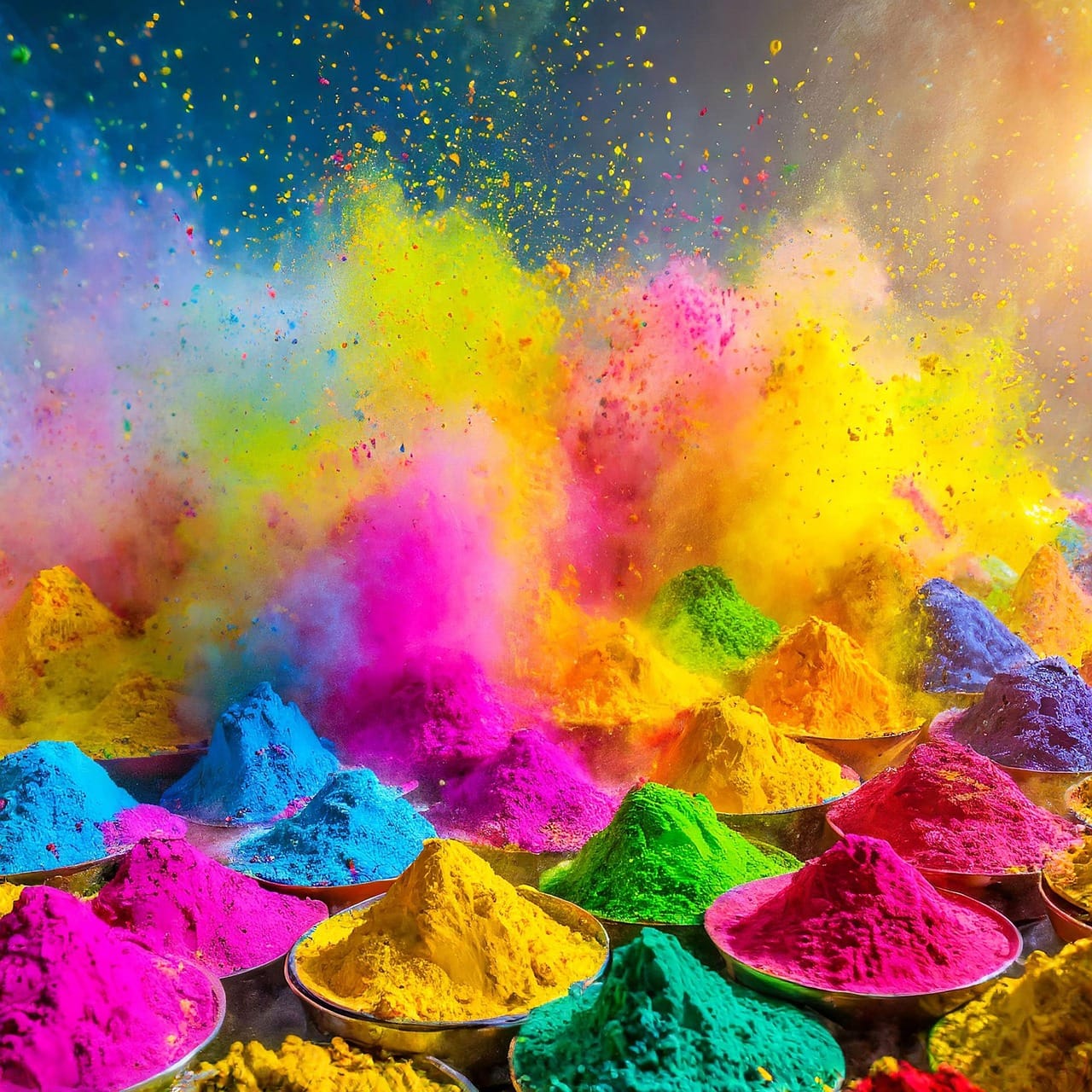
On March 3, 2026, India will witness a total lunar eclipse, known in Hindi as Chandra Grahan — a rare celestial event that coincides with the festival of Holi this year, giving both sky‑watchers and cultural observers plenty to talk about.
This eclipse isn’t just an astronomical spectacle — it’s also deeply woven into religious and traditional practices, influencing how people observe the day, when temples open or close, and how sacred rituals are scheduled.
📅 Key Timings in India
According to astrologers and Panchang predictions, the Sutak Kaal — a period traditionally considered inauspicious before and during the eclipse — begins early on March 3 and lasts through the eclipse period:
- Sutak Kaal starts: early morning hours of March 3
- Partial eclipse begins: mid‑afternoon
- Total eclipse phase: late afternoon to early evening
- Moonrise and visible eclipse: around sunset
- Sutak Kaal ends: after the eclipse concludes in the evening
The moon, shadowed by the Earth’s umbrella, can take on a reddish hue — often referred to as a “Blood Moon” — during totality. This visual phenomenon occurs because of how Earth’s atmosphere bends sunlight toward the moon.
🛕 Religious Traditions & Temple Practices
In many Hindu traditions, Sutak Kaal is observed as a time when certain activities are avoided — especially rituals that involve auspicious beginnings, cooking, or deity worship. Temples across regions often follow these customs closely:
- During the Sutak period, temples may close their doors — this has been reported during previous eclipses in Uttarakhand and across North India, where major shrine portals were shut until purification ceremonies could be performed afterward.
- According to traditional beliefs, puja, eating freshly cooked food, or beginning new ventures are avoided during Sutak. Some believers also refrain from touching sacred idols or conducting major rituals until after the eclipse has passed.
- After the eclipse, temples and households often perform purification rites before resuming regular worship and devotional activities.
🌌 Cultural & Scientific Significance
While religious customs emphasize observances linked to Sutak, there’s also a scientific perspective worth noting:
- A lunar eclipse occurs when the Earth comes between the Sun and the Moon, casting its shadow on the lunar surface. This is a natural and predictable event that doesn’t pose any danger to observers’ eyes — unlike a solar eclipse.
- The March 3 eclipse’s rare timing with Holi — after more than a century since such an overlap — makes it particularly noteworthy for both astronomy and cultural traditions.
Whether you’re planning to watch the changing lunar phases or simply want to respect traditional practices, March 3, 2026 will be a day where science and spirituality intersect under the same sky.
IIn summary: The Chandra Grahan of 2026 is expected to be a visually striking and culturally significant event in India. With the Sutak period observed from early morning through the eclipse, many temples follow the custom of closing their doors, resuming after purification. For sky watchers, the eclipse — especially around moonrise — will be a chance to see the “Blood Moon” phenomenon.
🌑 When Is Chandra Grahan 2026 Happening?
Mark your calendars — March 3, 2026 will bring a total lunar eclipse visible across India, falling on the same day as Holi, making it a rare celestial-plus-cultural event not seen in over a century.
Key Eclipse Timings (India)
- 🕕 Sutak Kaal Begins: Early morning, March 3
- 🌘 Partial Eclipse Starts: Mid-afternoon
- 🌕 Total Eclipse (Blood Moon): Around sunset
- 🌒 Eclipse Ends: Evening
- 🛕 Sutak Kaal Ends: After eclipse completion
👉 During this time, devotees observe spiritual discipline and refrain from auspicious activities.
🛕 Why Temples Will Be Closed During Sutak Kaal
In Hindu tradition, Sutak Kaal is a sacred window of stillness and introspection. Temples across India — especially in holy regions like Uttarakhand, Varanasi, and Haridwar — close their doors several hours before the eclipse.
This pause allows priests to perform purification rituals once the eclipse ends.
Religious Guidelines During Sutak Kaal
- ❌ No new beginnings, cooking, or eating freshly prepared food
- 🙏 Avoid touching idols or performing daily puja
- 🕯️ Post-eclipse: Take a bath and clean sacred spaces before resuming worship
Temples like Badrinath Temple and Kedarnath Temple have historically followed this tradition, keeping doors closed until purification ceremonies are done.
🌌 The Science Behind the Blood Moon
From an astronomical perspective, a lunar eclipse occurs when Earth’s shadow falls on the Moon, giving it a reddish tint — the famed “Blood Moon.”
Unlike a solar eclipse, this one is safe to view with the naked eye — no protection needed!
Fun Fact
The 2026 eclipse coinciding with Holi hasn’t occurred for over 100 years, adding to its cultural significance.
📸 Social Buzz: How to Capture or Celebrate the Eclipse
Whether you’re a sky-watcher, content creator, or devotee, here’s how to make the most of it:
- 📷 Capture the “Blood Moon” moments with a tripod or smartphone night-mode.
- 🌈 Share your #Holi2026 & #ChandraGrahan posts — a once-in-a-lifetime blend of colors and cosmos.
- 🛕 Visit your local temple after the eclipse to witness the reopening rituals.
🌠 Why This Eclipse Matters
The 2026 Chandra Grahan beautifully connects science, spirituality, and celebration.
It reminds us that cosmic cycles continue to guide time, belief, and nature — a reflection of both our curiosity and faith.