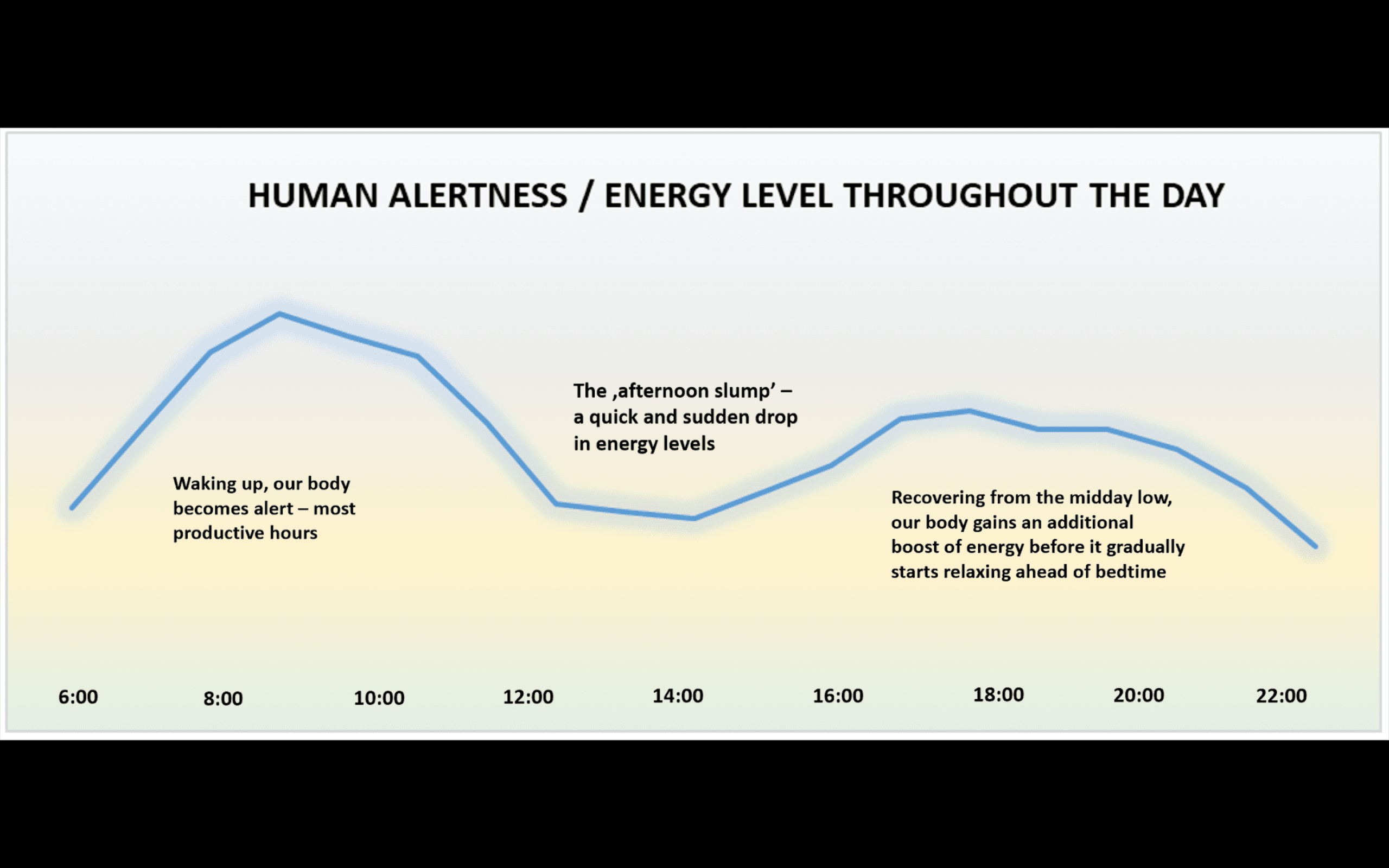
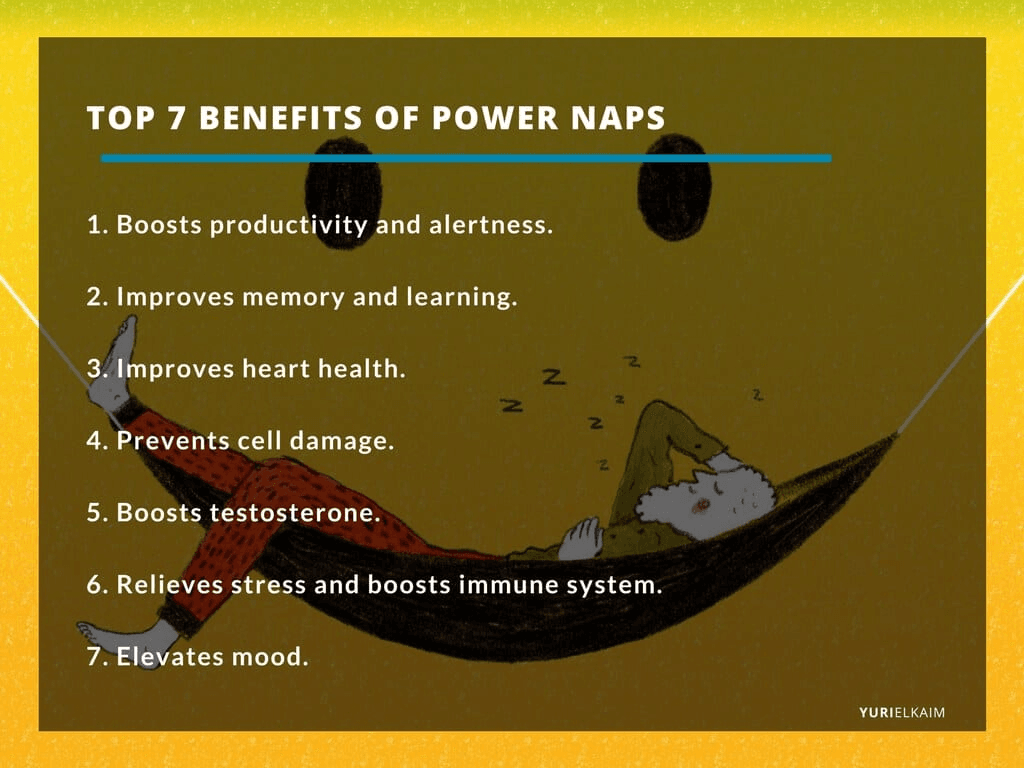
Power napping—those short, intentional daytime sleeps often lasting 10–30 minutes—has solid scientific backing as a quick way to recharge. Far from just laziness, research shows power naps deliver measurable benefits for alertness, cognition, mood, and performance, especially when you’re feeling that mid-afternoon slump.
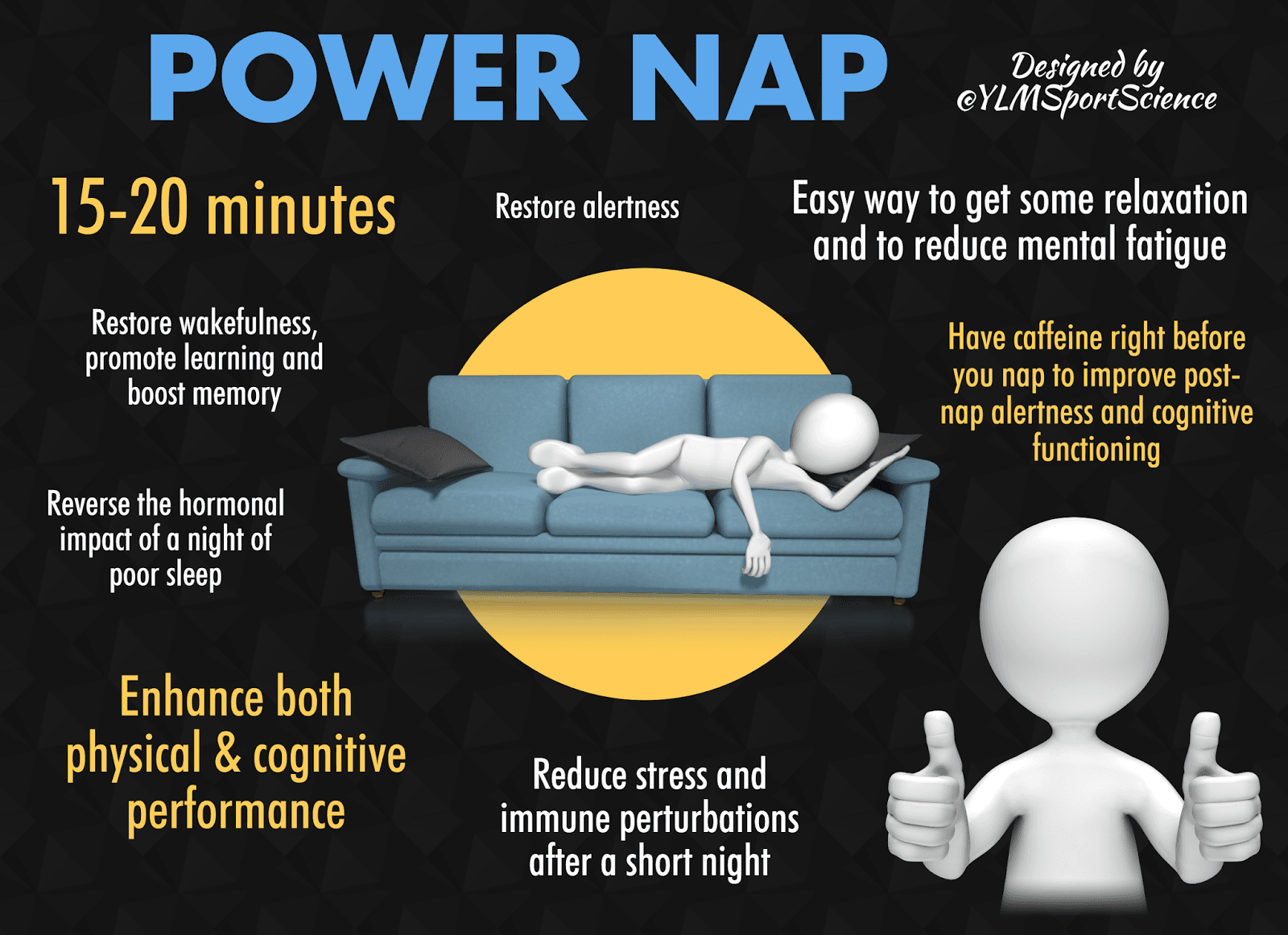
Key Benefits Backed by Science
Power naps primarily target light sleep stages, avoiding deep slow-wave sleep that can cause grogginess (sleep inertia). Here’s what studies consistently highlight:
- Boosted Alertness and Reduced Fatigue — A classic NASA study on pilots found that a ~26-minute nap increased alertness by up to 54% and job performance by 34% compared to no nap. This helped reduce unintentional microsleeps during critical tasks. Similar findings appear in reviews: brief naps (5–15 minutes) provide almost immediate reductions in sleepiness, lasting 1–3 hours.
- Improved Cognitive Performance — Meta-analyses show afternoon naps enhance overall cognition, with effects strongest for alertness (effect size ~0.29). Short naps improve reaction time, vigilance, logical reasoning, and short-term memory. One study noted that even 5–15-minute naps enhance mood, memory, and response times, with benefits lasting up to 3 hours—especially during the natural post-lunch dip (1–4 PM).
- Better Memory and Learning — Naps help consolidate memories and prepare the brain for new information. Research indicates a 30-minute nap particularly improves memory encoding, while shorter ones still aid recall of facts learned earlier. In well-rested people, naps reinforce learned material almost as effectively as longer rest in some tasks.
- Mood and Emotional Regulation — Napping reduces impulsivity, increases frustration tolerance, and lifts overall mood. One experiment showed people who napped for 60 minutes handled frustrating situations better than those who watched a documentary instead.
- Physical and Other Perks — Athletes see gains in sprint times, grip strength, and reaction times after naps. Habitual short napping links to better cardiovascular health in some populations (e.g., lower blood pressure in moderate nappers) and may support brain volume—regular nappers had larger brain volumes equivalent to 3–6 years less aging in one 2023 study.
Frequent short nappers often show greater benefits than infrequent ones, and early afternoon timing (before 1–3 PM) maximizes gains while aligning with circadian rhythms.
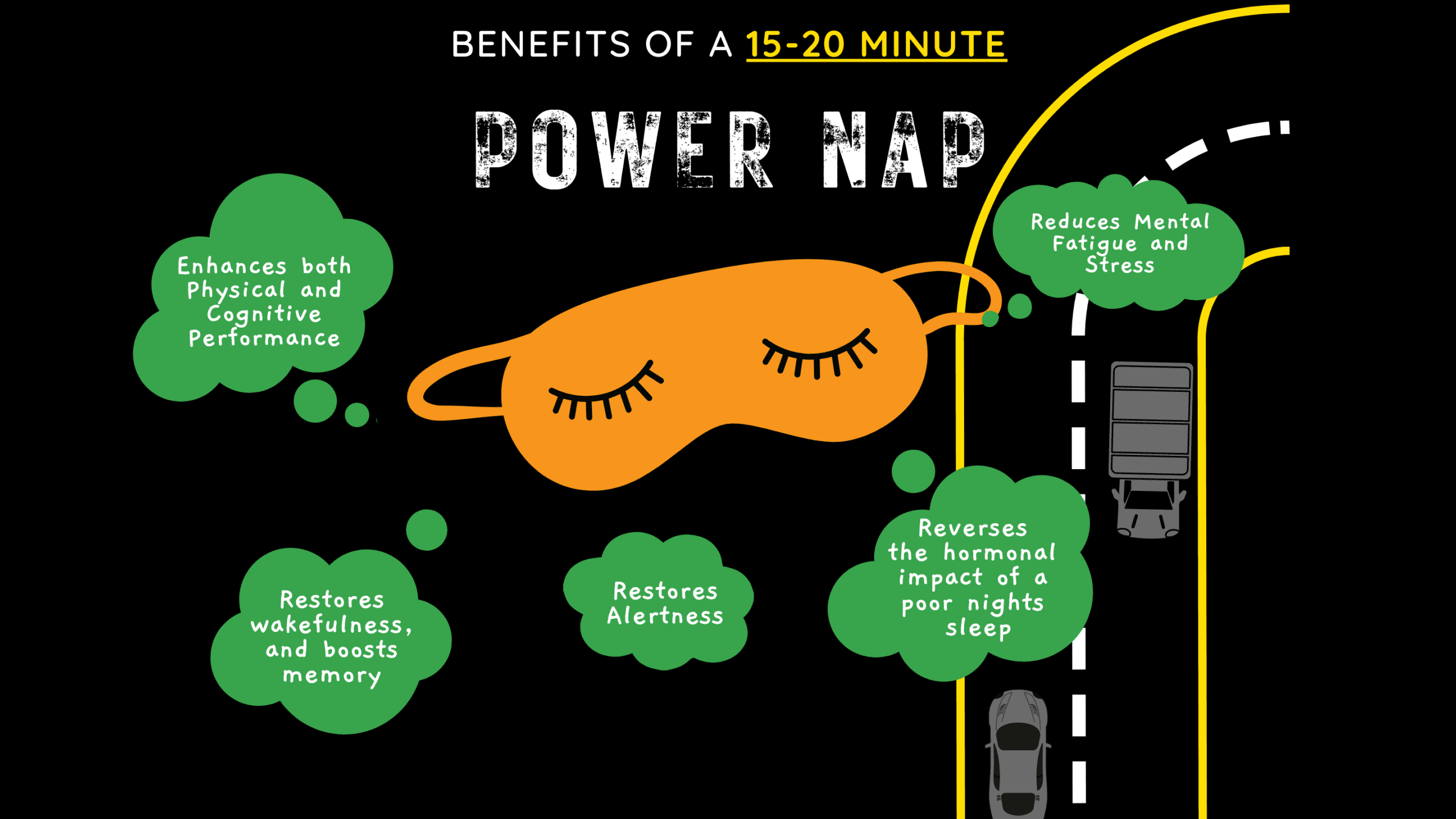
Optimal Duration: Finding the Sweet Spot
The “power” in power naps comes from keeping them short to skip deep sleep:
- 10–20 minutes — Ideal for quick alertness without grogginess; NASA-style naps target ~26 minutes total opportunity (accounting for falling asleep).
- 20–30 minutes — Often the best trade-off for broader benefits like memory and mood; a 30-minute nap frequently edges out others in comparisons for cognitive gains.
- Avoid >30 minutes if possible — Longer naps (>30–60 minutes) risk sleep inertia (grogginess lasting 30+ minutes) and associate with health risks like higher blood pressure, obesity, or cardiovascular issues in habitual long nappers.
Meta-analyses confirm no single “perfect” length, but 10–60 minutes all help mood and alertness, with 30 minutes offering strong practicality-to-benefit ratio.
How to Power Nap Effectively
- Time it right: Aim for early-to-mid afternoon (1–3 PM) to fight the natural dip without disrupting nighttime sleep.
- Set an alarm: Prevent oversleeping.
- Create a dark, quiet spot: Use an eye mask, earplugs, or cool environment.
- Combine with caffeine if needed: The “coffee nap” (drink coffee then nap 15–20 minutes) leverages caffeine’s kick-in time for extra boost.
Power naps shine as a supplement, not a substitute. They counteract fatigue brilliantly—especially after poor sleep—but can’t replace the deep restoration, hormone regulation, immune support, and full memory processing of 7–9 hours of consolidated nighttime sleep. Chronic reliance on naps often signals underlying sleep debt; prioritize nights first.
If you’re dragging midday, though, a well-timed power nap is one of the most evidence-based, no-cost hacks for sharper focus and better mood. Give it a try—your brain (and productivity) will likely thank you.
This one maps the natural circadian energy dip—that post-lunch slump around 1–3 PM—making it the perfect window for a power nap to fight fatigue without messing up nighttime sleep.
These infographics make the concepts super clear at a glance. Pick the 10–20 minute range for quick recovery, time it early afternoon, set an alarm, and you’ll likely feel sharper for hours. If you’re trying the coffee nap, drink your caffeine first, then nap immediately—it’s one of the combos these visuals often nod to for peak results! Which aspect are you most interested in experimenting with?