Artificial Intelligence (AI) is one of the most transformative technologies of the 21st century, yet many people still find it mysterious or complicated. The truth is, AI doesn’t require a PhD to understand—it’s all about machines learning to perform tasks that normally require human intelligence. Let’s break it down in simple terms and explore some real-world examples.
What Is AI?
At its core, AI is the ability of a computer or machine to mimic human intelligence. This includes tasks like learning, reasoning, problem-solving, understanding language, and even recognizing images or patterns. AI systems rely on data and algorithms to make decisions, predictions, or suggestions.
Think of AI as teaching a computer to “think” in a structured way, but instead of neurons, it uses lines of code and statistical models.
How AI Works: The Basics
AI works through three main steps:
- Data Collection
AI systems need information to learn. This data can come from anything—images, text, videos, sensor readings, or user interactions. The more quality data the system has, the better it can learn. - Training Algorithms
Training is like teaching. AI algorithms analyze the data to find patterns and relationships. This is often done using machine learning, where the system improves its performance over time without being explicitly programmed for every scenario. - Making Predictions or Decisions
Once trained, AI can make predictions, identify objects, or suggest actions. The more data it receives during use, the smarter it gets.
Key AI Types
- Machine Learning (ML): Learns from data to make predictions. Example: Netflix recommending shows you’ll like.
- Natural Language Processing (NLP): Understands and generates human language. Example: Chatbots like ChatGPT answering your questions.
- Computer Vision: Recognizes images or videos. Example: Self-driving cars detecting pedestrians.
- Robotics: Combines AI with machines to perform tasks. Example: Warehouse robots sorting packages.
Real-World Examples of AI
1. Virtual Assistants
Devices like Amazon Alexa, Apple Siri, and Google Assistant use AI to understand voice commands, answer questions, and control smart devices in your home.
2. Recommendation Systems
Platforms like Netflix and YouTube analyze your viewing history to recommend movies and videos you’re likely to enjoy. This uses machine learning algorithms that detect patterns in your preferences.
3. Autonomous Vehicles
Self-driving cars from companies like Tesla use AI to process real-time sensor data, recognize obstacles, make driving decisions, and navigate safely.
4. Healthcare Diagnostics
AI helps doctors detect diseases faster. Tools can analyze medical images like X-rays or MRIs to spot conditions such as tumors more accurately than humans in some cases.
5. Customer Support
AI-powered chatbots can answer questions, resolve complaints, and even handle transactions, reducing wait times and improving service efficiency.
Why AI Is Important
AI isn’t just a tech buzzword—it’s changing industries, improving efficiency, and creating new opportunities. From personalized shopping experiences to predictive healthcare, AI is shaping a smarter and more connected world.
Final Thoughts
Understanding AI doesn’t have to be complicated. At its heart, AI is about teaching machines to recognize patterns, make decisions, and learn from experience. By applying AI thoughtfully, businesses and individuals can unlock enormous potential—often in ways you interact with daily, sometimes without even realizing it.
Artificial intelligence (AI) powers much of modern life—from chatbots like me answering your questions to cars that drive themselves and apps that suggest your next binge-watch. But how does it actually work? Let’s break it down simply, step by step, without jargon overload, and with real-world examples you see every day (as of early 2026).
1. The Core Idea: AI Learns from Examples, Not Hard Rules
Unlike traditional programming (where humans write exact if-then rules), most modern AI uses machine learning (ML). The system looks at thousands or millions of examples, spots patterns, and figures out how to handle new situations on its own.
Think of it like teaching a child to recognize cats:
- Show them 10,000 pictures labeled “cat” or “not cat.”
- Over time, the child notices patterns: furry, whiskers, pointy ears, tail.
- Next time they see a new animal, they predict: “That looks like a cat!”
AI does the same—but super fast and at massive scale.
2. The Building Block: Neural Networks
Most powerful AI today relies on artificial neural networks—inspired by (but much simpler than) the human brain.
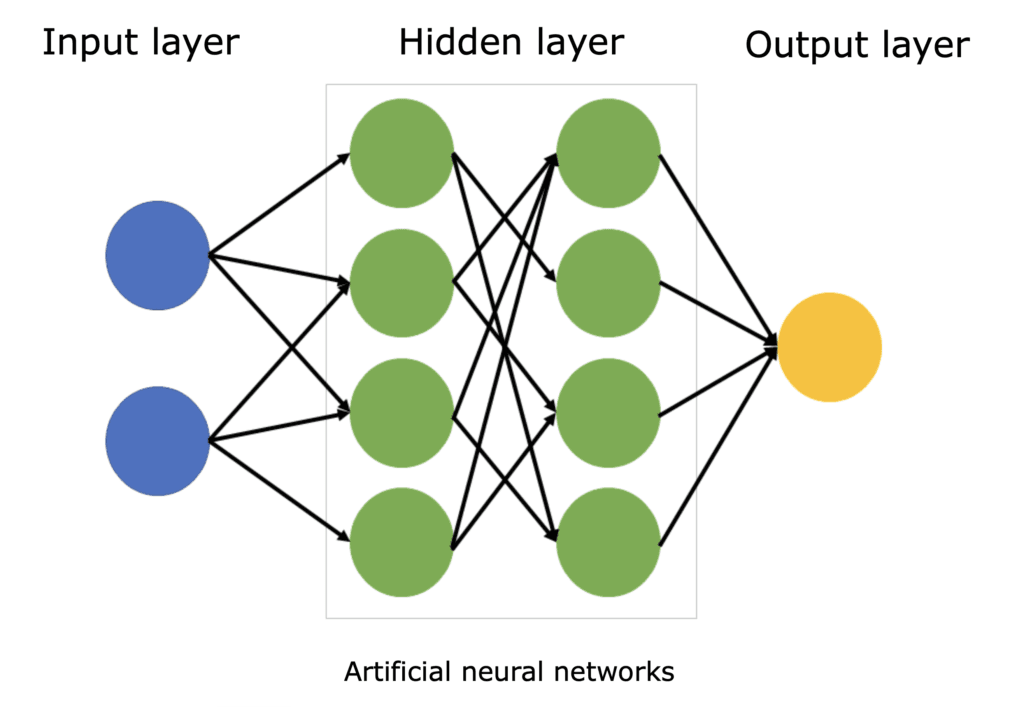
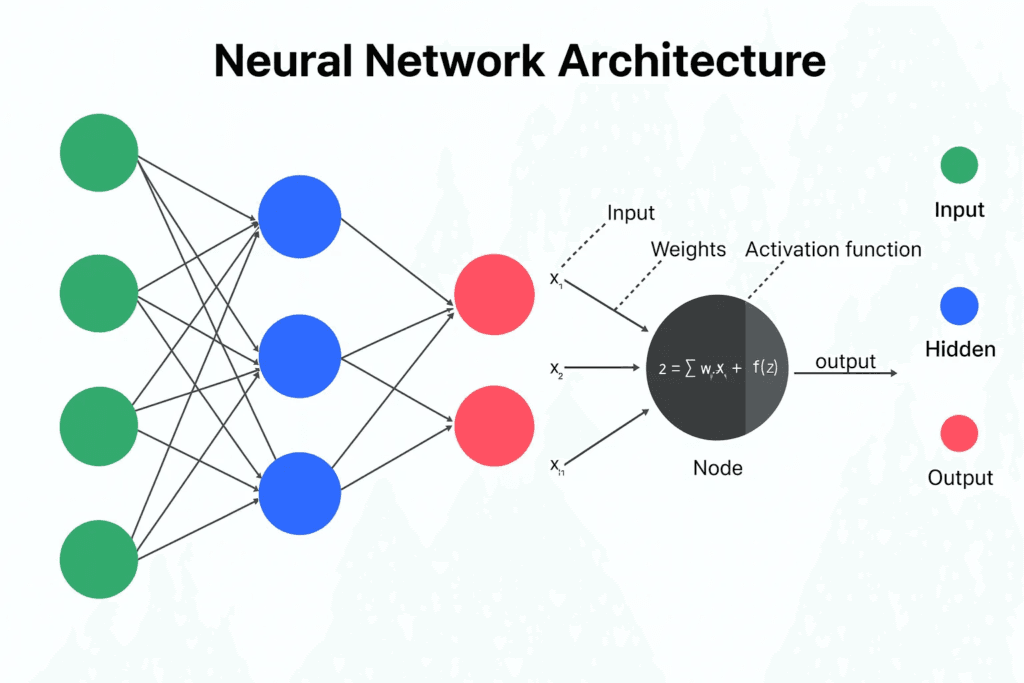
A basic neural network has three parts:
- Input layer — Takes in data (e.g., pixel values of an image).
- Hidden layers — Do the heavy lifting, finding patterns by connecting inputs with adjustable “weights.”
- Output layer — Gives the answer (e.g., “this is a cat” with 98% confidence).
During training, the network makes a guess, checks how wrong it was, and slightly tweaks the weights to do better next time. Repeat millions of times → it gets really good.
Here’s a simple visual of a basic neural network:
3. Deep Learning: Stacking Layers for Complex Tasks
When you stack many hidden layers, it becomes deep learning. This is why AI can now understand images, speech, and language so well.
The breakthrough for today’s smartest AI? The transformer architecture (introduced in 2017 but massively scaled since). Transformers excel at understanding context and relationships in sequences—like words in a sentence.
They use “attention” to focus on important parts: When reading “The cat sat on the mat because it was tired,” attention helps link “it” back to “cat,” not “mat.”
Here’s a simplified diagram of the transformer (the heart of models like GPT, Claude, Gemini, and Grok):
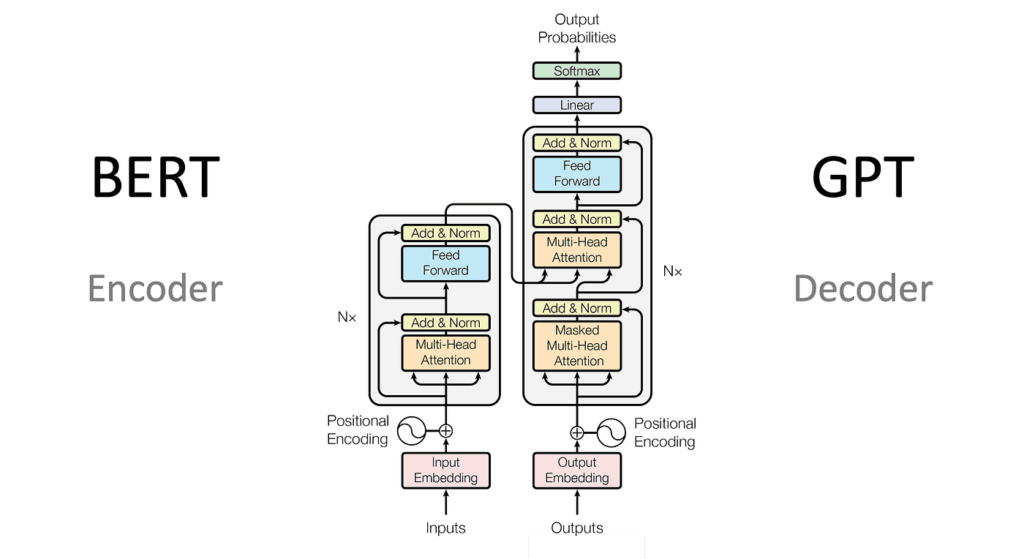
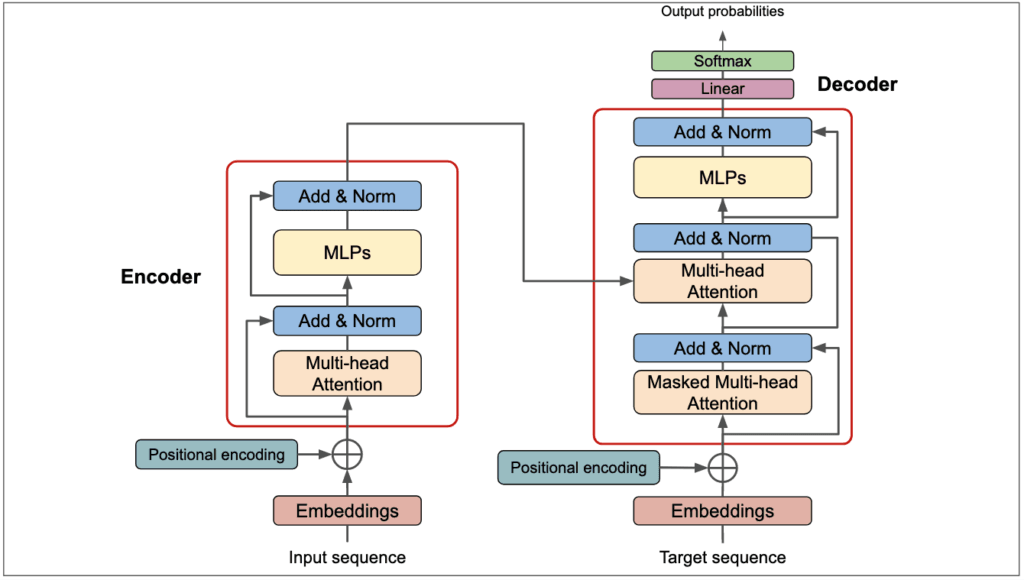
Large language models (LLMs) are giant transformers trained on trillions of words from books, websites, code, and more. They learn to predict the next word in a sentence. Do this enough times, and they can generate coherent text, translate languages, write code, and reason.
4. Real-World Examples You Use Every Day
- Recommendation systems (Netflix, YouTube, Spotify, TikTok) AI looks at what you’ve watched/listened to, finds patterns across millions of users, and predicts: “You’ll probably like this next.” It’s collaborative filtering + deep neural nets.
- Voice assistants (Siri, Alexa, Google Assistant, Grok voice mode) Speech-to-text neural nets convert your words to text → LLM understands intent → text-to-speech replies. All happening in seconds.
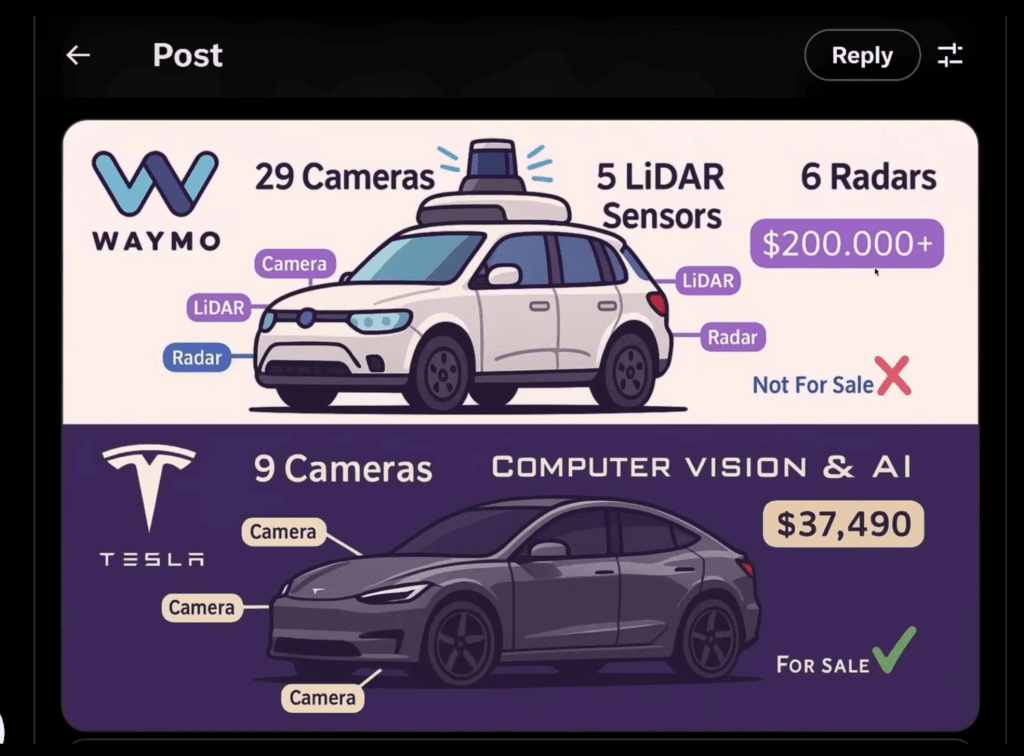
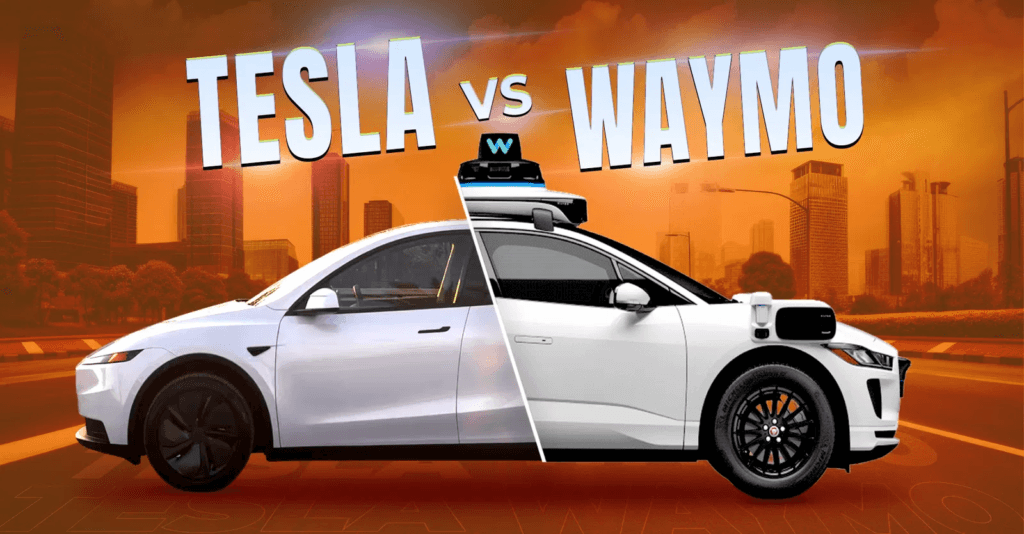
- Self-driving cars (Tesla Full Self-Driving, Waymo robotaxis) Cameras feed images into convolutional neural networks (a type of deep learning for vision). The car detects objects, predicts movement, and plans paths. Tesla relies heavily on vision + AI; Waymo adds lidar/radar for extra precision.Compare the approaches:
Spam filters & fraud detection (Gmail, credit cards) AI scans emails/transactions for suspicious patterns learned from billions of examples. Medical imaging (2026 updates) AI spots tumors or predicts disease risk from scans/sleep data with accuracy rivaling (or beating) specialists in many cases. Generative AI (ChatGPT, Midjourney, Grok image gen) Trained to predict next word/pixel → can create essays, code, art, music from a prompt.
5. The Limits: AI Isn’t Magic
AI doesn’t truly “understand” like humans—it excels at pattern matching and prediction. It can hallucinate (make up facts), struggle with new situations outside its training data, and reflect biases from that data.
It needs massive electricity, data, and human oversight to stay useful and safe.
AI works by feeding huge amounts of data into neural networks (especially transformers), letting them adjust connections until they predict outcomes incredibly well. The result? Tools that feel intelligent because they’ve seen so many examples of human behavior and patterns.
Next time your phone suggests the perfect reply, your car avoids a pedestrian, or an AI writes a poem—remember: it’s not thinking. It’s an extremely sophisticated pattern-matching machine that’s gotten really, really good at imitating intelligence.
And in 2026, it’s only getting better.