Artificial Intelligence is advancing rapidly, but will AI replace humans? Discover the future of AI vs humans, automation, creativity, and insights from tech leaders like Sam Altman and Elon Musk.
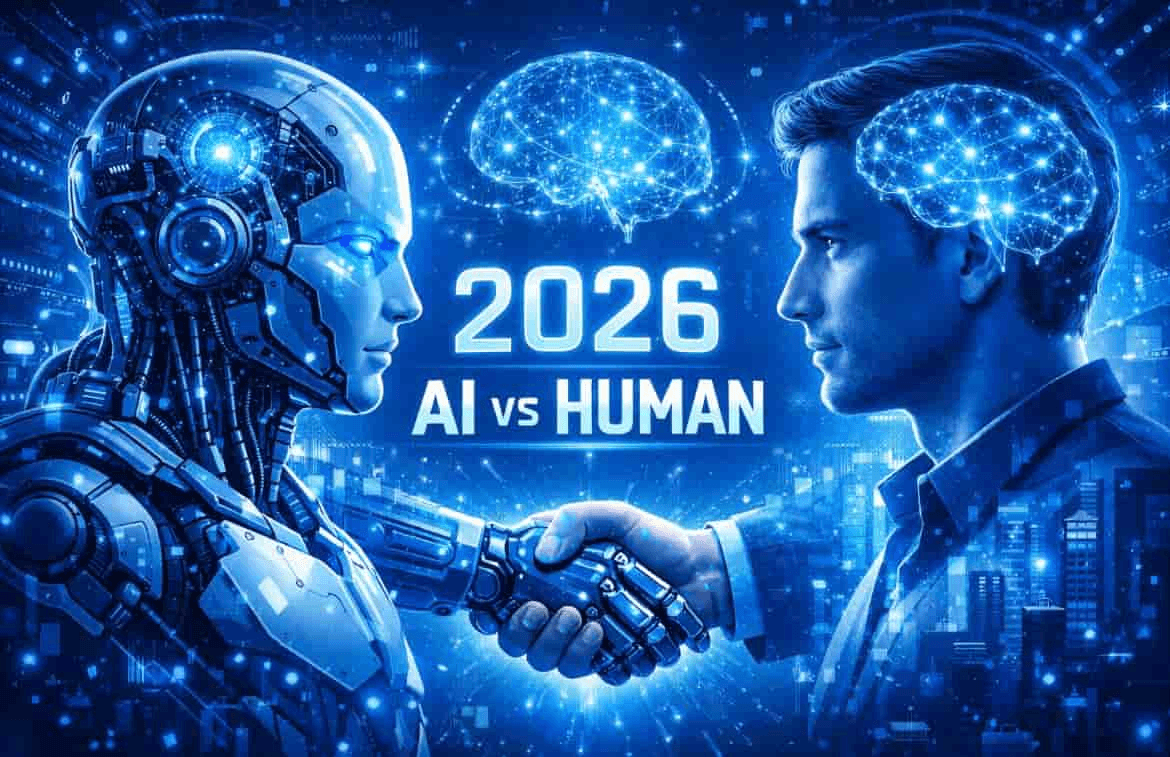
What is AI vs Humans?
AI vs Humans refers to the comparison between artificial intelligence and human intelligence in areas like creativity, decision-making, and automation. While AI excels at processing massive data and automation, humans still lead in emotional intelligence, innovation, and ethical judgment.
Artificial Intelligence is no longer a futuristic concept—it is already shaping how we work, create, communicate, and solve problems. From AI-powered chatbots to self-driving vehicles, technology is evolving at an unprecedented pace. This rapid progress has sparked one of the most fascinating debates of our time: AI vs Humans — who will ultimately win the future?
Technology leaders, including Sam Altman and Elon Musk, have frequently discussed both the incredible potential and possible risks of artificial intelligence. While some believe AI will revolutionize humanity for the better, others worry about automation replacing human roles.
IIn reality, the future may not be about AI replacing humans, but rather about AI and humans evolving together.
The Rise of Artificial Intelligence
Artificial Intelligence refers to machines designed to mimic human intelligence. These systems can analyze data, recognize patterns, learn from experience, and make decisions.
Companies such as OpenAI, Tesla, Google, and Microsoft are investing billions into AI research and development.
Some of the most powerful AI technologies today include:
- AI chatbots and virtual assistants
- Machine learning algorithms
- Self-driving cars
- AI-generated images and videos
- Automated customer service systems
These innovations are transforming industries such as healthcare, finance, education, and transportation.
Intelligence: Human Mind vs Artificial Intelligence
Human intelligence has evolved over millions of years. It involves reasoning, emotional understanding, creativity, and adaptability.
AI, on the other hand, processes information using complex algorithms and massive datasets. Modern AI systems can analyze billions of data points in seconds—something impossible for humans.
Where AI is stronger
AI already surpasses humans in several areas:
- Speed of data processing
- Pattern recognition
- Predictive analytics
- Handling repetitive tasks
For example, AI systems can detect diseases in medical scans faster than many doctors or analyze financial trends instantly.
Where humans remain superior
Despite its power, AI still struggles with many aspects of human intelligence:
- Emotional understanding
- Moral judgment
- Creativity and original thinking
- Complex social interaction
Humans also possess intuition and life experiences that machines cannot replicate.
Creativity: Can AI Replace Human Imagination?
One of the most debated topics is whether AI can truly be creative.
AI can now write articles, generate music, produce artwork, and even create movies. Tools like those developed by OpenAI demonstrate how machines can generate human-like text and visuals.
However, AI creativity is fundamentally different from human creativity.
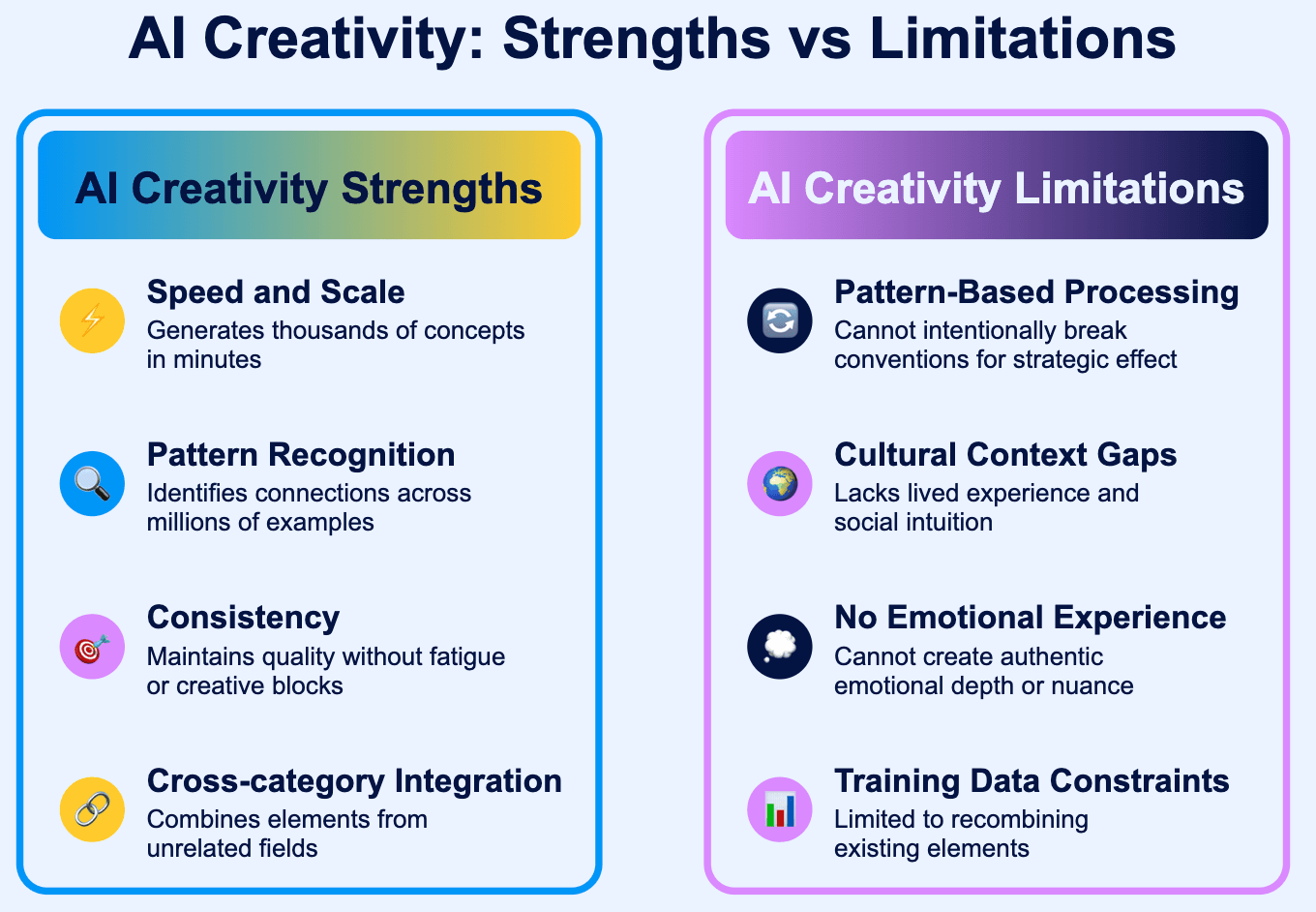
AI creativity
AI generates content by analyzing patterns in existing data. It learns from millions of examples and produces new combinations.
Tools like generative AI can produce art, music, and stories in seconds, drawing from billions of examples to spot patterns and innovate within them. However, critics argue this is mere “predictive recombination”—mashing up the old rather than birthing the truly new. A 2024 study of writers showed AI boosts novelty and creativity for individuals but homogenizes outputs overall, diluting the unique flair humans infuse through personal experience and emotion.
While AI shines in efficiency and scale, it lacks the emotional depth, cultural intuition, and disruptive leaps that define human breakthroughs. Think of Picasso’s Cubism or Einstein’s relativity—these weren’t data-driven iterations but paradigm shifts born from human insight. Altman sees AI as a collaborator here, augmenting human efforts without replacing the spark. Musk, meanwhile, has expressed awe at AI’s potential, tweeting that training AI for truth over diversity is crucial to avoid biased outcomes that could harm humanity. Both leaders agree: AI might generate ideas faster, but humans provide the soul.
Human creativity
Human creativity comes from:
- emotions
- personal experiences
- culture
- imagination
Artists, writers, and innovators often create ideas that have never existed before. AI can assist in creativity, but it still relies heavily on human input and direction.
Automation: The Biggest Impact on Jobs
Automation is where AI is already transforming society.
Industries such as manufacturing, logistics, and customer service are increasingly using AI-powered systems to perform tasks once handled by humans.
Some roles likely to be automated include:
- Data entry jobs
- Basic customer support
- Routine manufacturing work
- Transportation and delivery roles
However, new opportunities are also emerging. Jobs related to AI development, data science, cybersecurity, and AI ethics are growing rapidly.
According to many technology leaders, the future workforce will require new skills focused on working alongside AI rather than competing with it.
What AI Leaders Say About the Future
Many influential figures in the tech industry are shaping the AI conversation.
Sam Altman’s Perspective
Sam Altman believes artificial intelligence could become one of the most powerful technologies ever created. He has often emphasized that AI should be developed responsibly so it benefits humanity.

Altman has also suggested that AI could dramatically increase productivity, scientific discovery, and economic growth.
Elon Musk’s Perspective
Elon Musk has warned about the potential risks of uncontrolled AI development. Musk has repeatedly said that advanced AI could pose challenges if not carefully regulated.
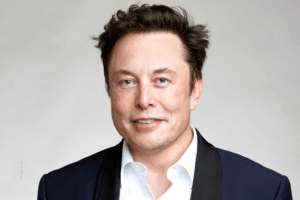
At the same time, Musk’s companies—including Tesla—actively use AI in products like self-driving technology and robotics.
The Real Future: Collaboration, Not Competition
The popular idea of AI vs Humans often suggests a battle for dominance. But most experts believe the future will involve collaboration instead.
AI excels at analyzing data, automating tasks, and processing massive amounts of information. Humans excel at empathy, strategic thinking, ethics, and creativity.
Together, this partnership can unlock extraordinary possibilities:
- Faster scientific discoveries
- More personalized healthcare
- Smarter cities and transportation
- Better education systems
- Innovative creative industries
Rather than replacing humans, AI may become one of the most powerful tools ever created to amplify human potential.
A Shared Future: Collaboration Over Conquest
So, who wins? The evidence suggests neither side claims total victory. AI may dominate in speed, scale, and consistency, but humans retain irreplaceable qualities like empathy, intuition, and ethical judgment. As Altman and Musk illustrate, the path forward lies in symbiosis—harnessing AI to elevate humanity. In this future, the real winners are those who adapt, innovate, and ensure technology serves us all. The race isn’t AI versus humans; it’s us, together, shaping tomorrow.
Final Thoughts
The question “AI vs Humans: Who will win the future?” may have a surprising answer: both.
Artificial intelligence will continue to reshape the world, but human intelligence, creativity, and values will remain essential. The real challenge is ensuring that AI development is guided responsibly and used to improve lives across the globe.
As leaders like Sam Altman and Elon Musk continue pushing the boundaries of innovation, one thing is clear: the future will be defined not by AI alone, but by how humans choose to use it.