Artificial intelligence (AI) isn’t just a technology buzzword anymore — it’s becoming a foundational force reshaping how medicine is practiced, delivered, and experienced. From accelerating disease detection to enabling precision surgery and redefining how new cures are discovered, AI is driving unprecedented innovation in healthcare.
IIn this article, we explore three key areas where AI’s impact is most prominent: AI diagnostics, robotic surgery, and drug discovery — illustrating how these innovations are reshaping the future of medicine.

1. AI Diagnostics: Precision and Speed in Detection
One of the most immediate and transformative uses of AI in healthcare is diagnostic support. Traditional medical diagnostics often rely on clinicians’ interpretation of data like imaging scans, pathology slides, or genetic profiles — areas prone to variability and human limitations.
AI diagnostic systems enhance accuracy and speed in several ways:
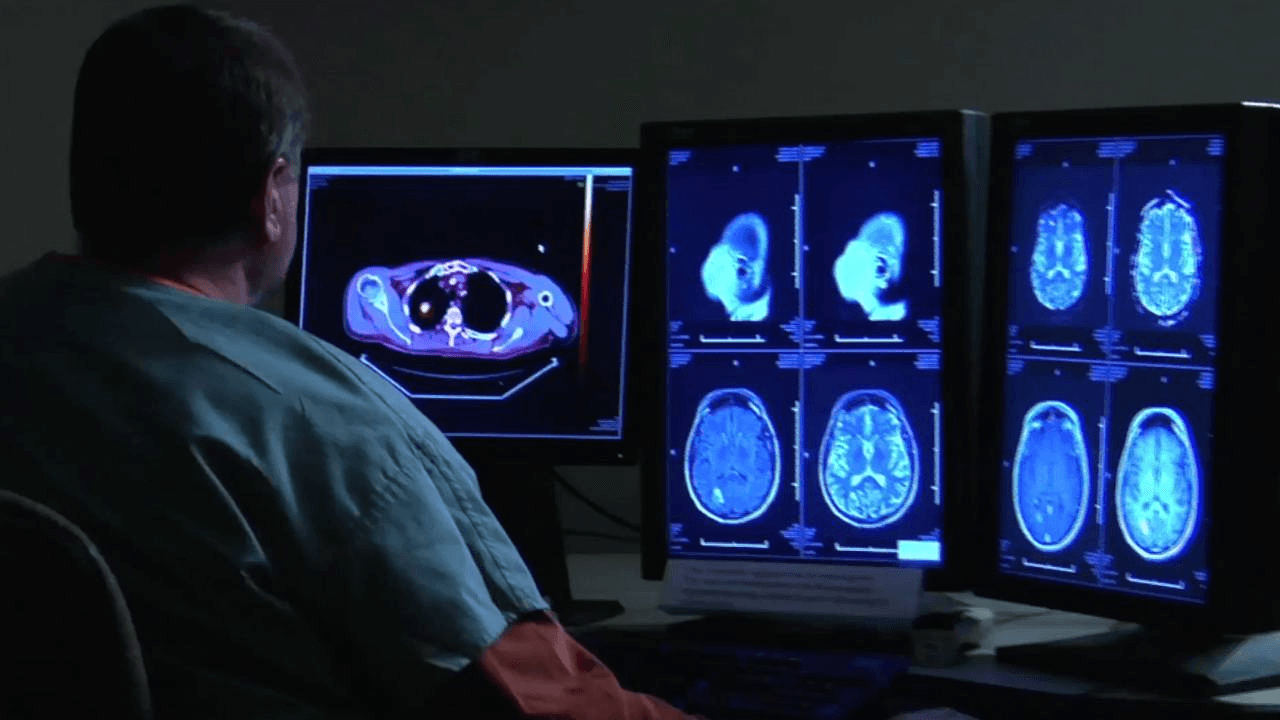
- Medical Imaging Analysis: AI models — particularly deep learning algorithms — can rapidly analyze X‑rays, MRIs, CT scans, and ultrasound images to detect anomalies that might be subtle or overlooked by human reviewers. These tools can help flag early signs of diseases like cancer, cardiovascular conditions, and neurological disorders.
- Pattern Recognition and Risk Assessment: By analyzing large datasets from clinical records and patient histories, AI tools can identify patterns predictive of disease risks, enabling earlier interventions and personalized screening plans.
IIBM’s role: IBM’s AI platform, Watson Health, exemplifies how cognitive computing can augment diagnostic capabilities. By interpreting complex medical data and suggesting evidence‑based insights, Watson assists clinicians with tumor characterization and precision oncology support — turning raw data into actionable treatment guidance.
AI is revolutionizing diagnostics by analyzing complex medical data with unprecedented speed and precision, often outperforming traditional methods. Machine learning algorithms can sift through imaging scans, patient records, and genetic data to detect diseases earlier and with fewer errors. For instance, AI systems have demonstrated the ability to identify breast cancer from mammograms with 94% accuracy, surpassing the 88% accuracy of expert radiologists in some studies. This not only reduces diagnostic errors—such as a 15% reduction in oncology cases when assisted by AI—but also cuts down on time to diagnosis, potentially lowering treatment costs by up to 50% and improving health outcomes by 40%.
IBM’s Watson Health exemplifies this transformation. Watson uses natural language processing (NLP) and deep learning to process unstructured medical data, providing clinicians with evidence-based insights for conditions like cancer. Despite early challenges, such as the setbacks with Watson for Oncology, IBM has refined its approach, focusing on verifiable AI that ensures transparency and reliability in critical decisions. Microsoft, through its Azure platform, supports AI diagnostics by enabling secure data integration and real-time analysis, powering tools like Dragon Copilot that assist in clinical documentation and decision-making. In 2026, AI is becoming more predictive, using multi-modal data fusion to personalize diagnoses, as seen in Microsoft’s research on medical large language models (LLMs).
Microsoft’s role: Microsoft’s Azure AI and cloud computing ecosystem provide a backbone for scalable healthcare analytics. With powerful machine learning services, healthcare organizations worldwide build custom diagnostic tools, deploy secure data platforms, and integrate AI insights into clinical workflows.
2. Robotic Surgery: Precision, Control, and Minimally Invasive Treatments
Robotic surgery represents a tangible intersection of AI, robotics, and human expertise. These systems are reshaping surgical care by enabling greater precision, reducing patient trauma, and shortening recovery times.
Key benefits of AI‑assisted robotic surgery include:
- Enhanced Precision: AI algorithms help interpret real‑time surgical data, providing feedback or predictive insights that support surgeons during delicate procedures.
- Minimally Invasive Approaches: Robots can perform complex tasks through tiny incisions, reducing bleeding, scarring, and risk of infection compared to open surgery.
- Improved Motion Control: AI‑driven systems can filter out tremors or refine tool manipulation, lending finer control than human hands alone can achieve.
While well‑known surgical robotics firms continue advancing this space, both IBM and Microsoft contribute indirectly through enabling technologies — particularly AI models, cloud connectivity, and data analytics that help train and refine robotic systems. Microsoft’s AI tools and cloud infrastructure support development of surgical planning software and adaptive learning systems that improve robotic responsiveness.
Robotic surgery, enhanced by AI, is ushering in an era of minimally invasive procedures with greater precision, reduced complications, and faster recovery times. AI algorithms provide real-time guidance, risk assessment, and even autonomous capabilities, transforming surgeries from manual endeavors to data-driven collaborations between humans and machines. By 2026, the robotic surgery market is valued at €14.3 billion and is expected to grow to €49.1 billion by 2034, with AI reducing operative time by 25%, intraoperative complications by 30%, and enhancing precision by 40%.
Microsoft is advancing this field through its focus on “physical AI,” where AI meets robotics to create vision-language-action models that enable robots to perceive, reason, and act in dynamic environments. Tools like Rho-alpha, an evolution of Microsoft’s Phi series, integrate with robotic platforms for tasks such as automated suturing and real-time imaging reconstruction. IBM complements this with AI-driven analytics that optimize surgical workflows, drawing from its expertise in quantum computing for complex simulations. In a landmark development, AI systems performed the first autonomous gallbladder removal in 2025, paving the way for broader adoption in cardiac and endoscopic surgeries.
These advancements emphasize surgeon leadership, with AI acting as an augmentation tool to maintain patient-centered care. As remote robotic surgery erases geographical barriers, AI is making high-quality surgical interventions accessible worldwide, potentially saving lives in remote or under-resourced areas.
3. Drug Discovery: Reducing Time, Cost, and Complexity
Traditionally, discovering a new drug is a long, expensive process — often taking over a decade and billions of dollars to bring a safe, effective therapy to market.
AI is changing that paradigm by:
- Predicting Molecular Behavior: Machine learning models can simulate how compounds interact with biological targets, narrowing down candidate molecules before costly lab work begins.
- Optimizing Clinical Trial Design: AI identifies patient cohorts most likely to benefit from a therapy — improving trial success rates and ethical deployment of experimental treatments.
- Accelerating Repurposing: AI can uncover new uses for existing drugs by mapping biological pathways and disease signatures across large datasets.
IBM and Microsoft accelerate drug discovery efforts through AI platforms and collaborations:
- IBM Research: IBM’s AI and quantum computing research initiatives aim to enhance molecular simulations, enabling faster identification of promising compounds. By leveraging advanced computing, IBM addresses computational bottlenecks in drug design.
- Microsoft and Azure: Microsoft’s cloud‑based research platform integrates AI, high‑performance computing (HPC), and secure data pipelines for pharmaceutical and biotech companies. Azure AI tools support predictive biology, genomics analysis, and scalable collaboration across research partners worldwide.
AI is dramatically shortening the drug discovery timeline, which traditionally takes years and billions of dollars, by predicting molecular interactions, optimizing candidates, and simulating clinical trials. In 2026, AI is pivotal in identifying new therapies, with the market expected to reach $8.10 billion by 2030 at a 25% CAGR. Quantum-enhanced AI is optimizing complex processes like molecule prediction, reducing development cycles significantly.
IBM leads with AI-driven patents that disrupt traditional pharmaceutical R&D, using models like Watson to analyze vast datasets for drug-target interactions and personalized therapies. Microsoft’s Discovery platform embeds AI agents throughout the R&D process, from hypothesis generation to molecular simulation, fostering collaborations that accelerate discoveries in fields like oncology and infectious diseases. Both companies are integrating quantum utility—IBM targeting quantum advantage by 2026 with its Nighthawk processor—to tackle intractable problems in drug design. As Phase III trials for AI-designed drugs yield results this year, the industry anticipates a wave of breakthroughs that could lower costs and improve efficacy.
Looking Ahead: Challenges and Ethical Considerations
Despite its transformative potential, AI in healthcare must navigate challenges:
- Data Privacy and Security: Healthcare data is sensitive. Robust cybersecurity and privacy protections are essential when deploying AI systems.
- Bias and Fairness: AI models must be trained on diverse, representative datasets to avoid perpetuating disparities in care.
- Regulation and Validation: Clinical AI tools require rigorous validation and regulatory oversight to ensure safety and efficacy.
Both IBM and Microsoft emphasize responsible AI practices and compliance frameworks, working with regulators, healthcare institutions, and researchers to align innovation with ethical standards.
AI is no longer a speculative future for healthcare — it’s actively improving diagnostics, deepening surgical capabilities, and streamlining drug discovery. By enhancing how clinicians see, act, and innovate, AI promises better outcomes, faster treatments, and more personalized care for patients worldwide.
As the technology evolves, ongoing collaboration between healthcare providers, technology leaders like IBM and Microsoft, regulators, and researchers will be crucial to realizing AI’s full potential — ensuring that the future of medicine is not just intelligent, but safe, equitable, and patient‑centered.
IIn the rapidly evolving landscape of healthcare, artificial intelligence (AI) is no longer a futuristic concept but a present-day reality driving profound changes. As of 2026, the global AI in healthcare market is projected to grow exponentially, with estimates suggesting it could reach $1.92 trillion by 2040, growing at a compound annual growth rate (CAGR) of 30%. This surge is fueled by AI’s ability to process vast amounts of medical data, provide actionable insights, and enhance patient outcomes while reducing costs. From predictive diagnostics to precision surgery and accelerated drug development, AI is reshaping the future of medicine. Key players like IBM and Microsoft are at the forefront, leveraging their technological expertise to integrate AI into clinical workflows. This article explores three pivotal areas: AI diagnostics, robotic surgery, and drug discovery, highlighting how these innovations are setting the stage for a more efficient, personalized, and accessible healthcare system.
The Road Ahead: Challenges and Opportunities
As AI integrates deeper into healthcare, the future of medicine looks brighter, with personalized care, predictive prevention, and operational efficiencies on the horizon. In 2026, AI agents are shifting from experimentation to execution, automating workflows and enhancing human capabilities. However, challenges like ethical AI use, data privacy, and regulatory clarity must be addressed to ensure equitable benefits. Companies like IBM and Microsoft are pivotal in this transition, emphasizing verifiable and agentic AI to build trust.
Ultimately, AI isn’t replacing healthcare professionals but empowering them to focus on what matters most: patient care. As we embrace these technologies, the promise of a healthier, more innovative world becomes increasingly attainable.