
1. Hyperscale AI Data Centers
The infrastructure supporting advanced artificial intelligence is going through a transformation. Hyperscale AI data centers — vast facilities packed with thousands of specialized processors — are unlocking trillion-parameter models and enabling applications once relegated to theory. These new designs push networking, cooling, and power consumption to extremes, underscoring both AI’s promise and its environmental cost.
Why it matters: They are the backbone of everything from cloud AI services to robotics, but their massive energy demand forces a reckoning about sustainability and design efficiency.
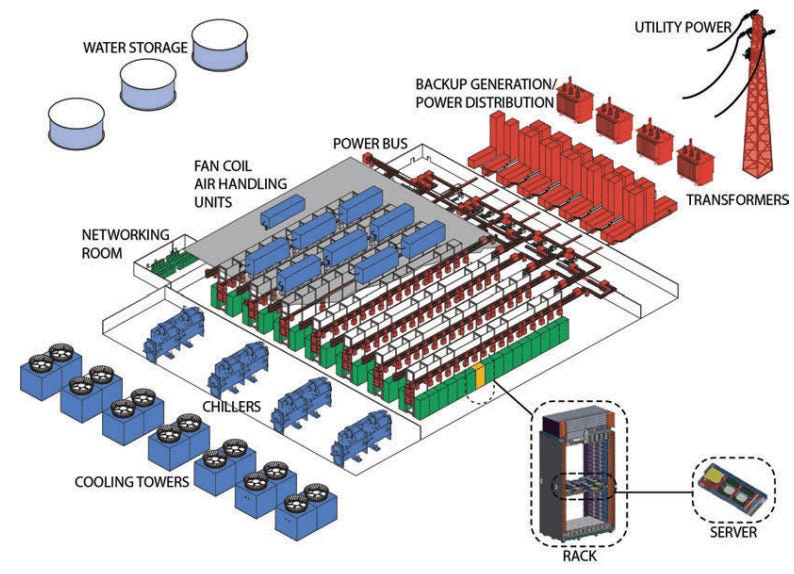
Hyperscale AI data centers are the backbone of modern artificial intelligence. Unlike traditional cloud data centers that serve a broad mix of workloads (web hosting, storage, enterprise apps), hyperscale centers are engineered specifically for massive parallel computation tasks — training and running ever-larger AI models and serving real-time inference at global scale.

Technical Details:
- They integrate tens of thousands of GPUs, AI accelerators, and custom chips into a synchronized compute fabric with ultra-fast networking.
- Advanced power distribution and liquid-cooling systems are required to handle heat densities far beyond legacy infrastructures.
- Optimization at the software stack level (distributed training frameworks, model parallelism techniques) complements the hardware.
- Examples like Cerebras’ wafer-scale engines demonstrate how ultra-dense chip architectures reduce communication overhead between processors and accelerate massive model training.
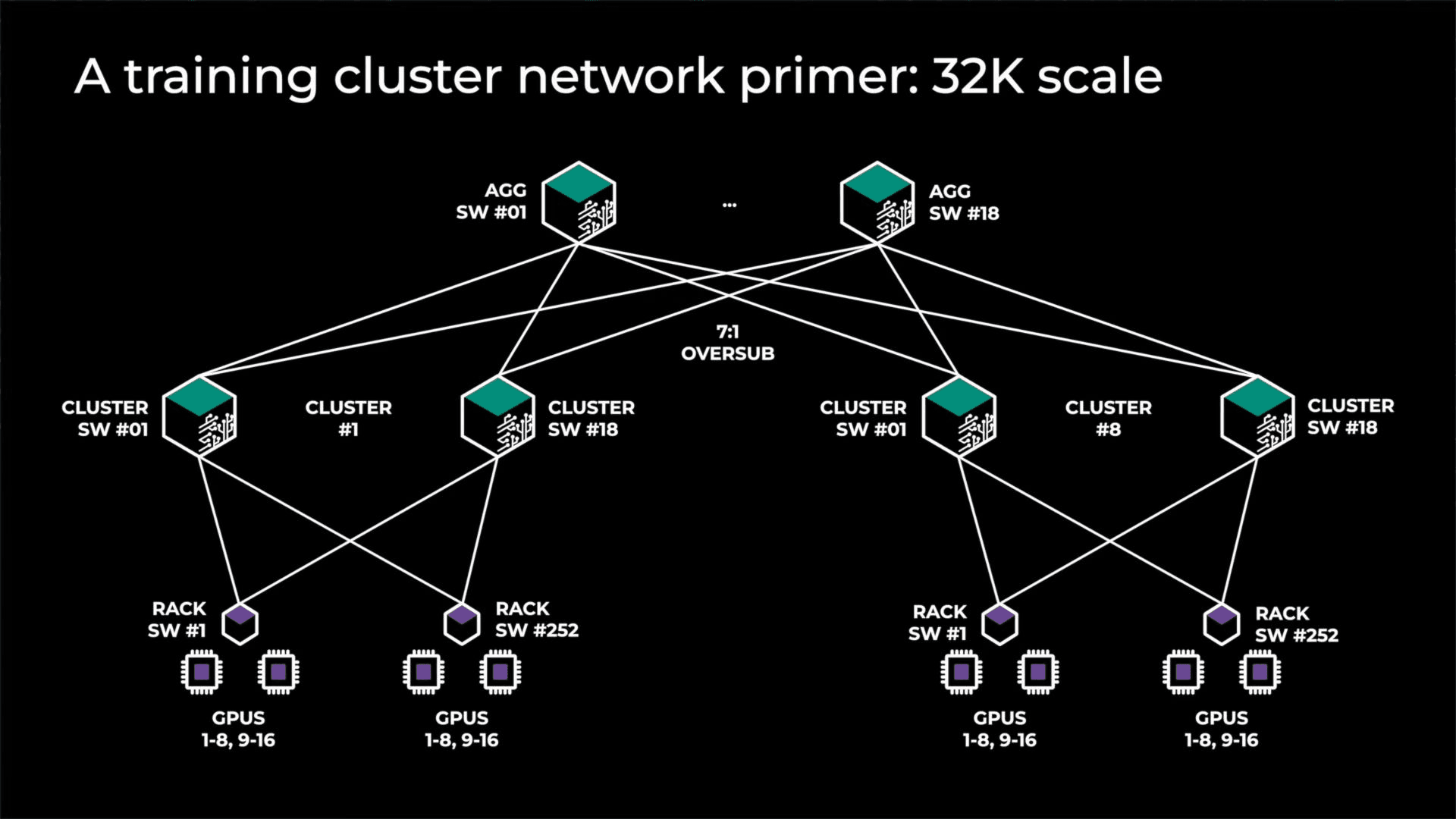
Real-World Impact:
These centers power services from global language models to autonomous systems and drug discovery simulations. Their scale highlights a new tension: dominating compute capacity now drives competitive advantage in AI — but also creates energy and sustainability challenges.
2. Generative Coding
AI systems that write, test, and deploy production-ready code are entering the mainstream. Generative coding tools can dramatically speed up software creation — a shift that promises higher productivity but also raises questions about quality control, security, and the future role of human developers.
Why it matters: This could reshape software engineering and lower barriers to innovation, but it also challenges long-standing assumptions about what tasks require human expertise.
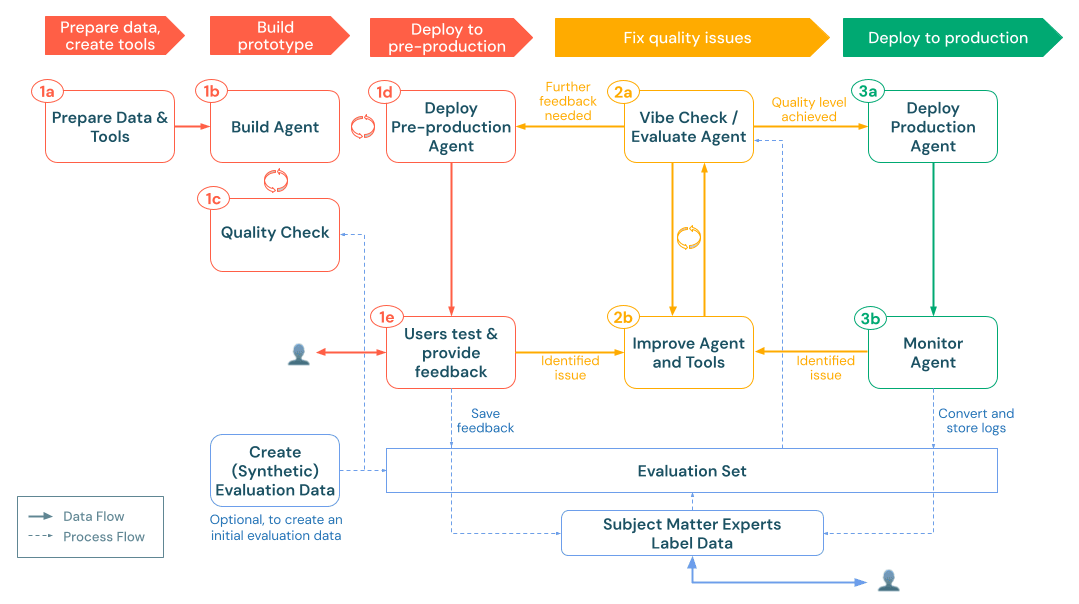
Generative coding tools use advanced AI models to write, test, and even optimize software code — automating much of a task historically performed by human developers.
Technical Details:
- These systems rely on large language models (LLMs) trained on millions of lines of source code plus natural language documentation.
- They can generate functions, API wrappers, tests, or complete modules from natural language prompts.
- Tools like Google DeepMind’s AlphaEvolve demonstrate automated algorithm generation and optimization using evolutionary strategies guided by performance metrics.
Real-World Examples:
- Many developers report that a significant portion of new code lines in companies like Microsoft and Google are generated with AI assistance.
- Enterprise tools from major cloud providers (AWS CodeWhisperer, GitHub Copilot) integrate generative coding into developer workflows.
Why It Matters:
Generative coding promises dramatic productivity gains but raises questions about code quality, debugging complexity, and the evolving role of human software engineers.
3. Next-Generation Nuclear Power
A new class of nuclear reactors — smaller, safer, and more cost-effective — is gaining traction. These designs use novel materials, passive safety systems, and compact footprints to make low-carbon power more deployable at scale. As global decarbonization efforts intensify, advanced nuclear could play a decisive role in reliable baseload energy.
Why it matters: Clean energy goals hinge on dependable sources; next-gen reactors could help fill the gap where intermittent renewables fall short.
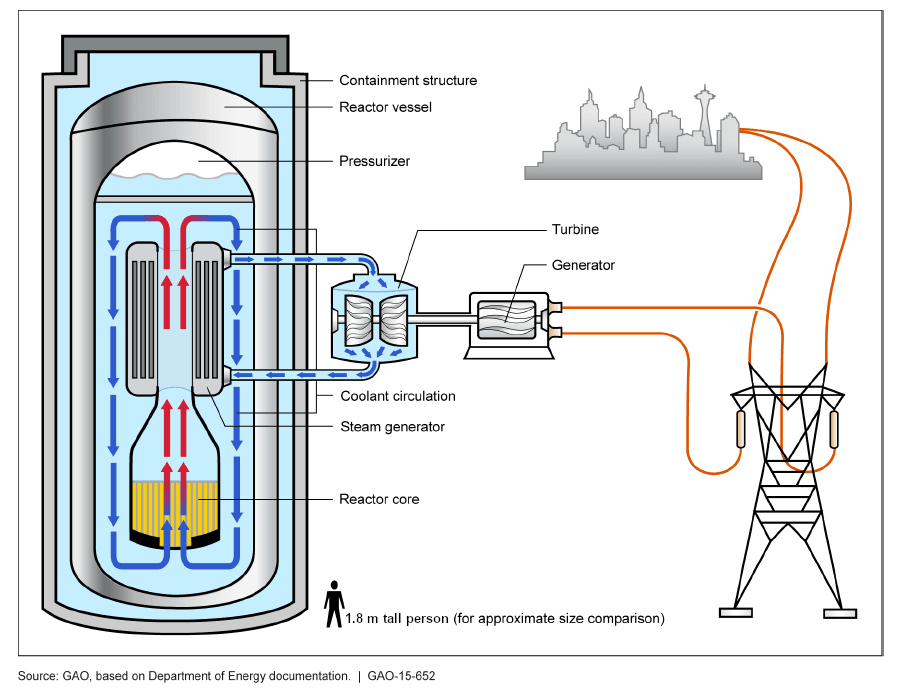
Next-generation nuclear reactors are smaller, safer, and more flexible than conventional designs, making them appealing as low-carbon baseload power sources.
Technical Details:
- Designs include small modular reactors (SMRs) and advanced concepts like molten-salt reactors or high-temperature gas reactors.
- Alternative fuel cycles and passive safety systems reduce the likelihood of core meltdowns without complex active controls.
- The modular nature supports factory fabrication and simplified assembly, reducing costs and construction timelines.
Real-World Examples:
- Companies like Terrestrial Energy and Rolls-Royce SMR are working on modular reactors that could be deployed at utility scale within this decade.
- Some projects aim to pair nuclear plants with renewable energy systems to stabilize grids deeply reliant on intermittent solar/wind.
Why It Matters:
As electricity demand soars — driven by electrification of transport and industry — reliable low-carbon sources like advanced nuclear are critical to climate goals.
4. Embryo Scoring and Genetic Insights
Precision genetic analysis of human embryos is expanding what clinicians can evaluate before implantation. Techniques that assess potential health risks — and increasingly, more complex traits — are stirring both hope and ethical debate.
Why it matters: Medical benefits include reducing hereditary disease, but the rise of trait prediction prompts questions about fairness, consent, and social impact.
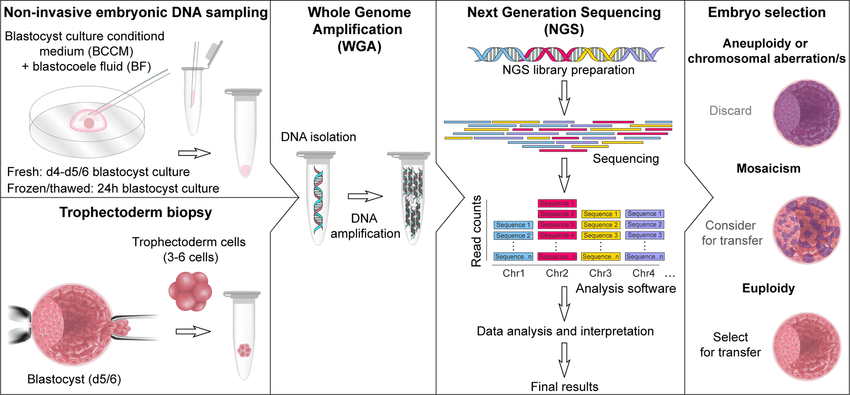
Embryo scoring refers to advanced preimplantation genetic testing that goes beyond detecting severe diseases to predicting a wider range of genetic traits.
Technical Details:
- High-throughput sequencing and computational models analyze embryos for polygenic risk scores — statistical estimates of genetic predispositions to traits like certain diseases, height, or even cognitive indicators.
- Machine learning helps interpret combinations of small-effect genetic variants.
Real-World Examples:
- Fertility clinics already use embryo screening to reduce risk of inherited aneuploidies.
- New startups claim to extend these tests to non-disease traits, though scientific and ethical consensus is deeply unsettled.
Why It Matters:
While powerful for preventing debilitating disease, the use of genetic prediction raises profound ethical questions about selection criteria, equity, and societal consequences.
5. AI Companions
Conversational AI agents are becoming more “alive” in their responsiveness — from assistive helpers to social companions. As these systems evolve in nuance and personality, they provoke discussions around human-AI relationships, dependency, and the psychological effects of long-term engagement.
Why it matters: These tools shift AI from task-oriented assistants to entities with emotional resonance, raising new technical and regulatory challenges.
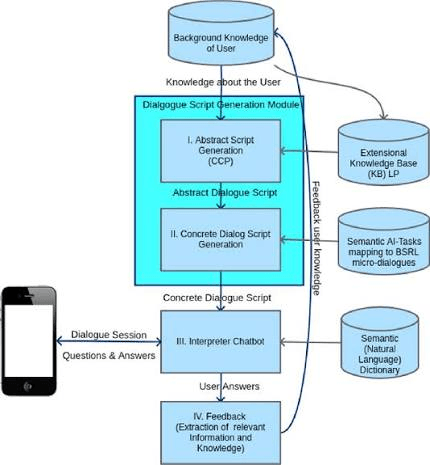
AI companions leverage conversational and emotional recognition systems to interact with humans in ways that feel personal and socially responsive.
Technical Details:
- These systems combine large language models with user context tracking and reinforcement learning to tailor responses over time.
- Emotional modeling and adaptive dialogue strategies aim to sustain long-term engagement.
Real-World Examples:
- Chatbots and virtual assistants that serve not just utility functions (scheduling, search) but social roles — offering support, companionship, or even romantic engagement.
- Surveys indicate a growing number of users forming consistent personal relationships with AI agents.
Why It Matters:
AI companionship challenges norms about human social interaction and raises concerns regarding dependency, emotional wellbeing, privacy, and regulation.
6. Commercial Space Stations
Humanity’s presence in orbit is shifting from government-led programs to private platforms. Commercial space stations designed for research, manufacturing, and even tourism are emerging, offering new possibilities beyond Earth’s atmosphere.
Why it matters: This is a milestone in space commercialization, potentially democratizing access and sparking novel industries.
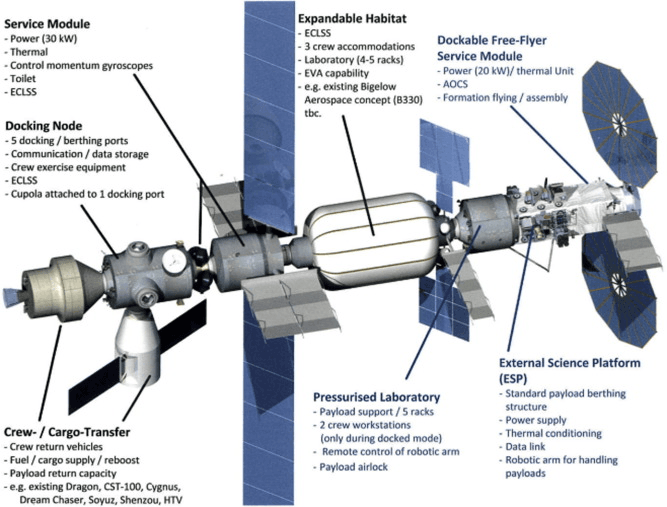
With government space stations like the ISS approaching retirement, private companies are building the next generation of orbital habitats.
Technical Details:
- These stations require life support systems, radiation shielding, modular labs, and docking capabilities for multiple spacecraft.
- New business models look to combine research contracts with tourism and manufacturing in microgravity.
Real-World Examples:
- Companies like Vast are planning the first private orbital station launches as early as 2026.
- NASA and other agencies plan to purchase research time on commercial platforms.
Why It Matters:
These developments mark a shift from space as a government domain to a commercial ecosystem, opening new markets in research, logistics, and perhaps even in-orbit manufacturing.
7. Autonomous & Embodied AI Systems
AI is moving beyond screens into the physical world. Robots and autonomous agents capable of complex real-world interaction — from factories to homes — are advancing rapidly, blending perception, planning, and action.
Why it matters: These systems promise productivity leaps but also raise ethical and economic questions about labor, safety, and trust.
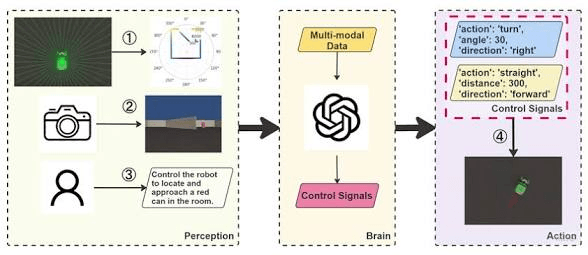
This category covers physical robots and AI agents capable of interacting dynamically with the real world — from warehouses to public spaces.
Technical Details:
- They integrate perception (vision, LIDAR), decision-making (planning and reinforcement learning), and control (actuation and navigation).
- Multi-agent coordination allows teams of robots to accomplish tasks in unpredictable environments.
Real-World Examples:
- Autonomous warehouse fleets (e.g., logistics robots) and delivery drones.
- Robots performing complex tasks like sorting, assembling, or caregiving with minimal human oversight.
Why It Matters:
Embodied AI marks a transition from digital automation to physical autonomy, reshaping labor markets and logistics infrastructure.
8. Synthetic Biology Platforms
New tools for engineering biological systems are accelerating breakthroughs in medicine, agriculture, and environmental science. Emerging platforms streamline design and testing of customized cells and organisms with targeted functions.
Why it matters: Synthetic biology holds potential for personalized therapies, sustainable materials, and climate solutions — alongside debates on risk and governance.
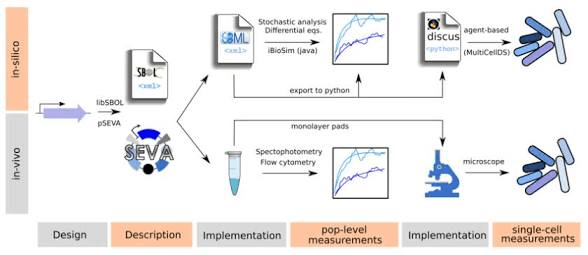
Synthetic biology blends biological engineering with computational tools to design organisms with customized functions.
Technical Details:
- Platforms combine DNA synthesis, high-throughput screening, and predictive models to design cells that produce pharmaceuticals, biofuels, or sustainable materials.
- Digital-to-biological converters and predictive genetic models speed design cycles.
Real-World Examples:
- Engineered microbes producing complex drugs at commercial scales.
- Biofabrication of materials like spider silk or cellulose alternatives.
Why It Matters:
Synthetic biology enables tailored biological solutions across healthcare, agriculture, and environmental remediation — but also raises biosafety governance challenges.
9. Quantum Technologies
Advances in quantum computing and sensing are moving from laboratories into early real-world use cases. While universal quantum computers remain distant, specialized architectures and sensors promise transformative capabilities in optimization, materials discovery, and secure communications.
Why it matters: Quantum systems could redefine computation and measurement, but practical deployment challenges still loom large.
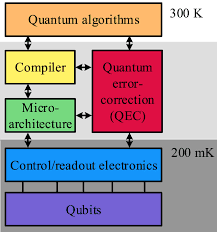
Quantum systems exploit superconducting circuits, trapped ions, or photonics to process information in fundamentally new ways.
Technical Details:
- Quantum computing promises dramatic acceleration for certain tasks (optimization, simulation).
- Quantum sensors can detect minute changes in fields or time, far beyond classical limits.
- Entanglement and superposition are engineered and preserved with sophisticated error-correction techniques.
Real-World Examples:
- Early commercial quantum processors are available via cloud platforms for research users.
- Quantum key distribution and clocks demonstrate advantages in secure communication and precision timing.
Why It Matters:
While universal quantum computers are still nascent, intermediate systems and sensing technologies are emerging into real-world use — advancing communication and measurement science.
10. Advanced Connectivity (6G and Beyond)
The next generation of wireless connectivity — beyond 5G — aims to deliver ultra-fast, ultra-reliable networks that support massive IoT ecosystems and autonomous systems. Though standards remain in development, early innovations suggest a future where connectivity is pervasive, intelligent, and deeply integrated with AI.
Why it matters: High-speed networks will be foundational to emerging tech — from smart cities to autonomous vehicles — but they also bring questions about equitable access and infrastructure investment.
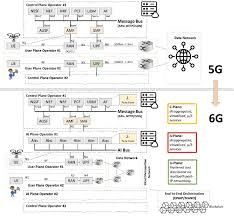
Advanced connectivity technologies build on 5G to deliver ultra-high capacity, extremely low latency, and intelligent network coordination.
Technical Details:
- Use of terahertz spectrum, integrated sensing and communication, and AI-driven network optimization.
- Concepts include edge AI integration, where computation is distributed throughout the network to reduce latency and energy use.
Real-World Examples:
- Research into 6G simulates holographic communication, space-integrated networks, and ultra-massive MIMO systems.
- Industry and academic consortia are testing early prototypes of beyond-5G systems.
Why It Matters:
These networks will underpin massive IoT ecosystems, autonomous systems, and real-time edge AI, making connectivity itself a platform for innovation.
Emerging Themes in Tech Innovation
Across these breakthroughs, a few themes stand out:
- AI’s evolution: From infrastructure to embodied systems and companions, artificial intelligence is reshaping technology and society.
- Energy and sustainability: Advanced nuclear and new battery systems underscore the push for reliable, lower-carbon power.
- Bio-digital convergence: Genetic tools and synthetic biology illustrate how biological science is becoming a core frontier of innovation.
- Space and connectivity: Commercial space platforms and next-generation networks suggest an increasingly connected, multiplanetary future.
- AI isn’t just software — it’s infrastructure: Computation and networks are as important as algorithms.
- Biology meets engineering: Genetic and bio-engineering tools are unlocking capabilities that once belonged only to science fiction.
- Space and energy are commercial frontiers: Private initiatives and advanced materials are transforming long-held domains.
These technologies reflect both opportunity and caution: while their potential impacts are vast, they challenge us to think deeply about how innovation is deployed, governed, and shared.


Comments are closed.