
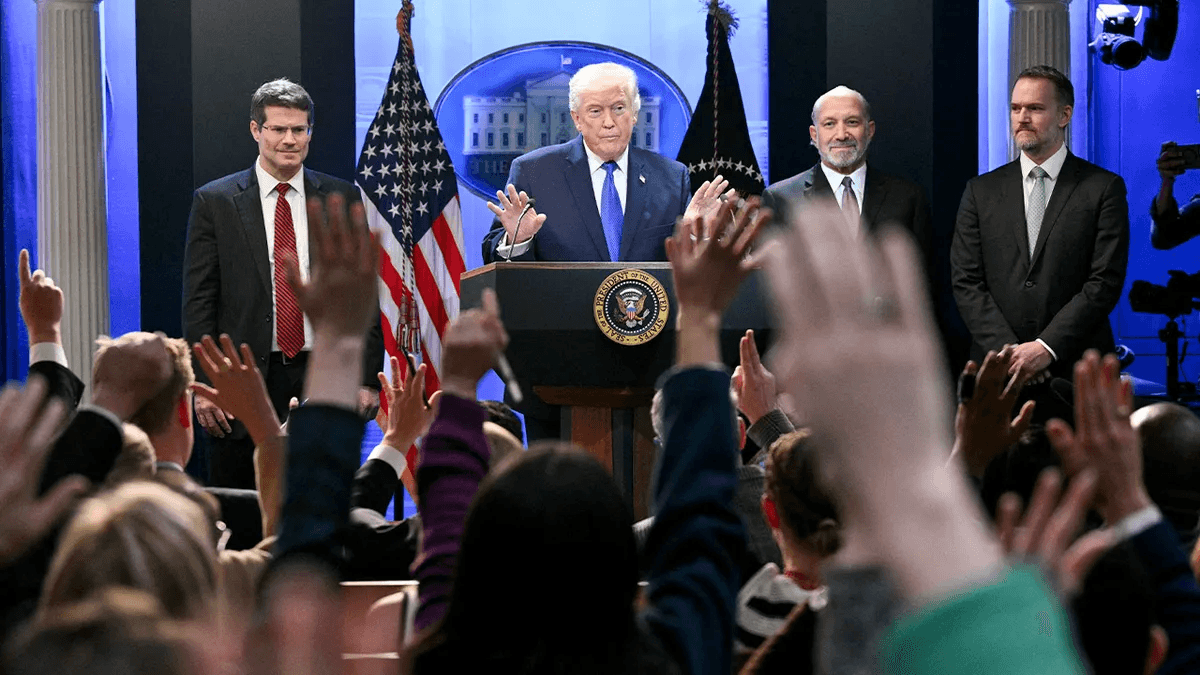
IIn a significant escalation of his trade policy agenda, President Donald Trump announced on February 21, 2026, that he plans to raise global tariffs to 15%, up from previously discussed levels around 10%. The move comes hot on the heels of a Supreme Court ruling that appears to have cleared legal hurdles for implementing broad-based tariffs, giving the administration greater latitude to pursue aggressive protectionist measures.
According to the CBS News report (which surfaced prominently across Google News feeds), Trump framed the decision as a direct response to the court’s action, describing it as an opportunity to level the playing field for American workers and manufacturers. “The Supreme Court has given us the tool — now we’re going to use it to bring jobs back and make trade fair again,” the president reportedly stated in remarks that echoed his long-standing “America First” rhetoric.
Background on the Supreme Court Decision
While details of the ruling vary slightly across reports, multiple sources indicate the court sided with the administration on key questions of executive authority in trade matters. This effectively removes or weakens certain judicial or congressional checks that opponents had hoped would block sweeping tariff impositions. Analysts view it as a major win for the White House, potentially allowing unilateral action on import duties without the same level of procedural roadblocks seen in prior trade disputes.
Critics, including some economists and Democratic lawmakers, have warned that a blanket 15% tariff on imports from around the world could act as a tax on consumers, raise prices for everyday goods (from electronics to clothing to food), and risk retaliatory measures from trading partners. Supporters counter that targeted (or universal) tariffs are necessary to combat unfair trade practices, currency manipulation, and the offshoring of U.S. jobs.
Potential Impacts and Reactions
Economic forecasts — Early commentary suggests higher tariffs could fuel short-term inflation but might incentivize domestic production over the long term.
Global markets — Stock futures and currency markets showed volatility in response to the announcement, with import-heavy sectors (retail, automotive) under pressure.
International response — Trading partners such as the European Union, China, and Canada are expected to prepare countermeasures, potentially reigniting trade tensions reminiscent of 2018–2019.
Domestic politics —
The move energizes Trump’s base ahead of ongoing policy fights, while giving opposition talking points on cost-of-living concerns.
Trump’s statement reinforces his belief that tariffs are a powerful negotiating tool rather than a permanent barrier. Whether the 15% rate becomes the final figure or serves as an opening bid in future talks remains unclear. For now, the announcement marks one of the boldest early trade actions of the administration’s current term and signals that protectionism will remain central to U.S. economic strategy.
As developments unfold, businesses, consumers, and global leaders will be watching closely to see how — and how quickly — these tariffs are actually rolled out.
Source: Primarily based on CBS News coverage as aggregated on Google News (February 21, 2026), with contextual references from CNN, Al Jazeera, and BBC reporting on the same story.


Comments are closed.