
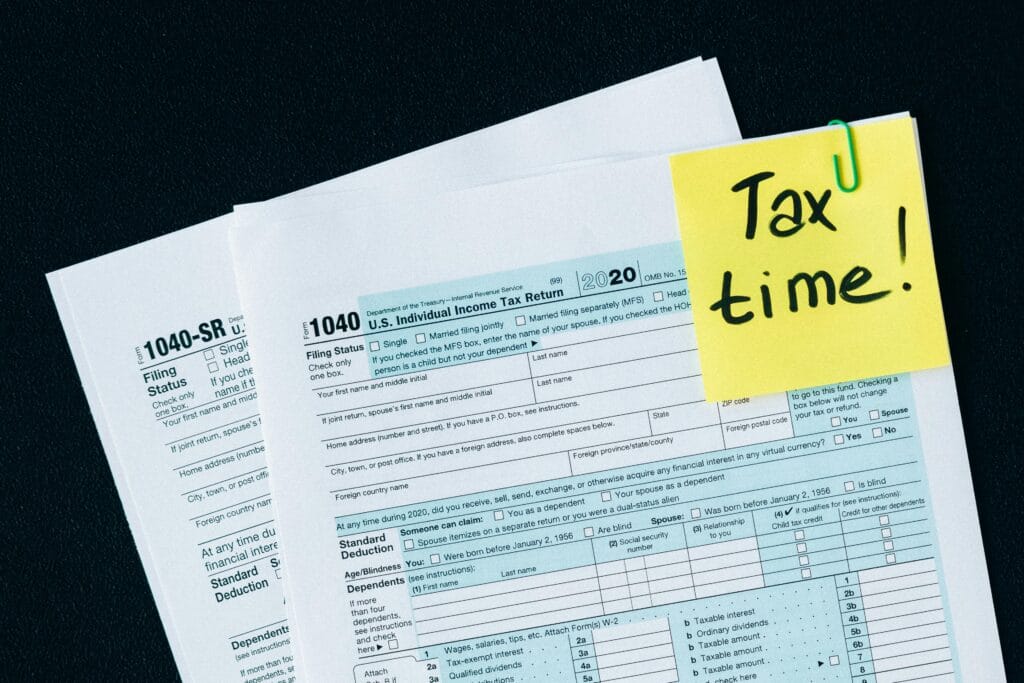
The 2026 US income tax season is officially underway, and millions of Americans are closely watching the IRS for refund updates. This year, the Internal Revenue Service will start accepting tax returns from January 26, 2026, marking the beginning of another busy filing season. While the April 15 filing deadline remains unchanged, new tax rules and administrative updates are making this season different from previous years. Many households rely on refunds to pay bills, cover rent, or make significant purchases, making the timing of these refunds crucial.
The passage of the One Big Beautiful Bill Act in 2025 has introduced new deductions, expanded credits, and exemptions on certain types of income. For taxpayers, this adds complexity to returns, potentially slowing down processing times. Additionally, paper refund checks have been discontinued, making direct deposit mandatory. While most Americans already use electronic refunds, this change could impact unbanked or underbanked households that now depend on prepaid debit cards. Understanding the IRS 2026 refund schedule is essential for planning finances efficiently and avoiding surprises during the filing season.
IRS 2026 Filing Rules and Structural Changes
One major change this year is the complete shift to direct deposit for all refunds. Paper checks are no longer an option, and taxpayers without bank accounts will need to rely on prepaid debit cards. While this ensures faster and more secure payments, financial counselors warn that fees associated with prepaid cards could reduce the actual refund amount. Taxpayers are encouraged to verify banking information carefully to avoid errors that could delay refunds.
The IRS has also updated forms and systems to reflect the 2025 tax law changes. New deductions and credits, including overtime pay exemptions for certain workers, will require careful reporting. Mistakes or incomplete filings could trigger additional IRS reviews, leading to delayed refunds. Tax professionals emphasize the importance of accuracy over speed, advising filers to double-check their returns and maintain proper documentation before submission.
Estimated Refund Timeline for Early and Late Filers
Early electronic filers can generally expect refunds within 2 to 3 weeks of IRS acceptance. Returns filed in late January could see deposits in early February, while returns filed throughout February may reach taxpayers by late February or early March. As March progresses, processing times typically increase due to higher filing volumes, and returns submitted close to the April 15 deadline are often the slowest to process. Taxpayers should plan finances accordingly and avoid relying on a fixed refund date.


I very delighted to find this internet site on bing, just what I was searching for as well saved to fav https://heosexhay.net/
wow your article is simply a masterpiece, i like that, keep it up and will be checking for new update. do you post often? you can check the biggest webdesign freelancer in platform in germany called https://webdesignfreelancerfrankfurt.de/ Thank you for your wonderful post
How are you?
wow your article is simply a masterpiece, i like that, keep it up and will be checking for new update. do you post often? you can check the biggest webdesign freelancer in platform in germany called https://webdesignfreelancerfrankfurt.de/ Thank you for your wonderful post
Fantastic site Lots of helpful information here I am sending it to some friends ans additionally sharing in delicious And of course thanks for your effort
Your writing is like a breath of fresh air in the often stale world of online content. Your unique perspective and engaging style set you apart from the crowd. Thank you for sharing your talents with us.
I really enjoyed playing. chasing traffic has some interesting mechanics that keep you coming back for more.